By John Persico (with Metis)
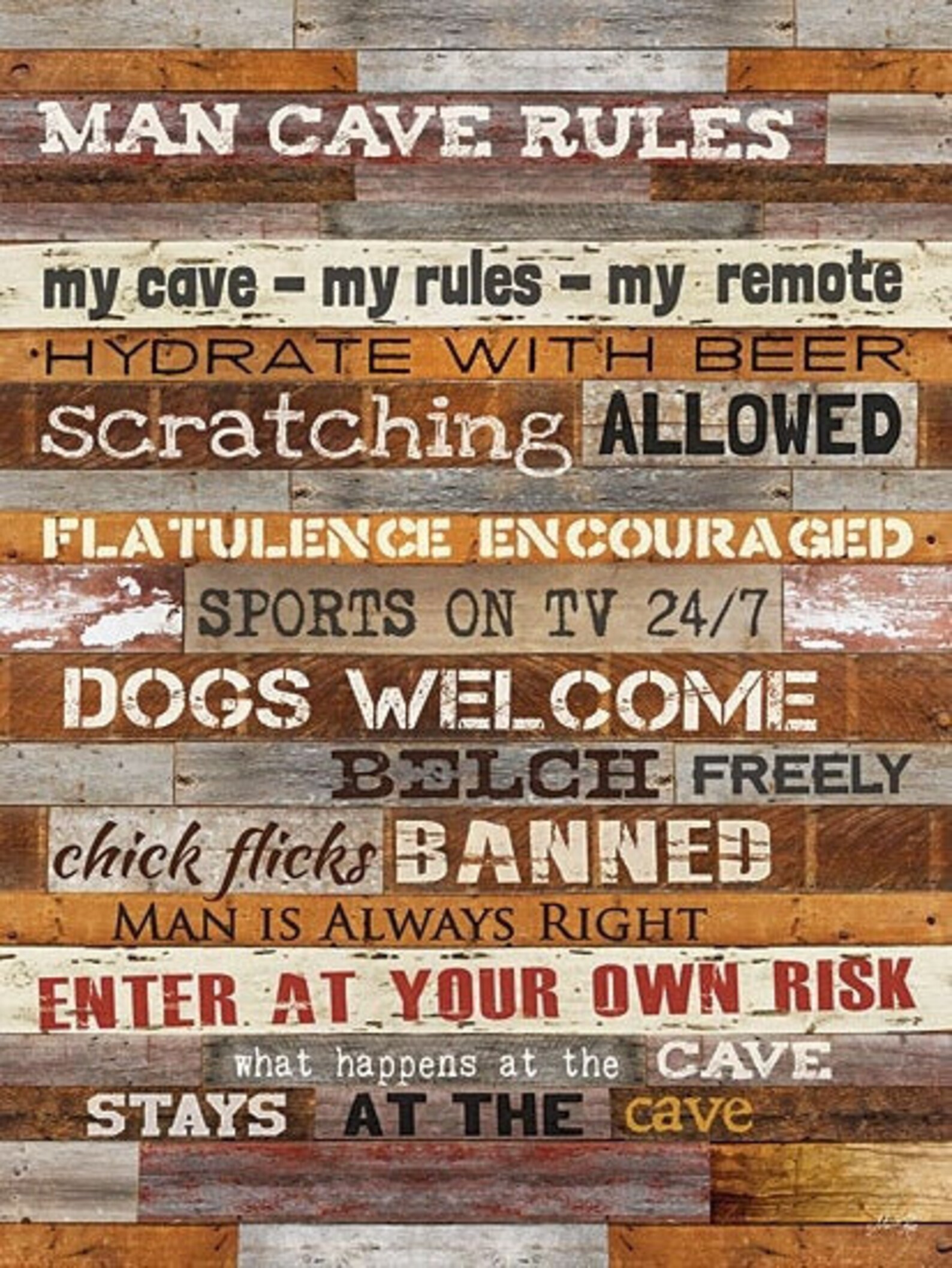
For years now, I have watched the rise of what we now call “man caves,” and I’ve never quite understood the appeal.
They seem to represent a cartoon version of masculinity: big screens, light beer, sports slogans, and an artificial sense of belonging. It’s the same shallow masculinity sold in beer commercials—men yelling at televisions, pretending that consumption equals strength.
I’ve never been drawn to any of it.
I’ve always favored craft beers over what I call “Piss Beers” and reflection over cheering. And perhaps that has something to do with the paths that I have taken over the last forty years.
Remembering a Different Time
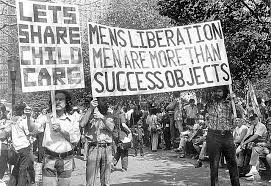
In the 1970s and 1980s, I became part of what was often called the Men’s Movement.
It wasn’t about machismo.
It wasn’t about domination.
It wasn’t about nostalgia for some imagined “golden age” of male authority.
It was about learning how to be a whole human being—who happened to be male.
We met in small groups, often weekly, simply to talk. Men sat in circles and spoke honestly about fear, marriage, work, failure, parenting, anger, loneliness, and doubt. There was no alcohol. No bravado. No competition. Many men came because of difficult times. Roles for men and women were changing in society. “What was a man’s role” was a key question that many men who came to the Minneapolis Men’s Center had on their minds. I was one of these men. I later became a facilitator for Men’s groups in St. Paul and Minneapolis. Usually Tuesday or Thursday night, ten or so men would meet at a house or other facility and participate in a group discussion for about two hours.

Men talking in group therapy.
On another track but somewhat related, I attended several weekend gatherings inspired in part by Robert Bly and the “Iron John” movement in Northern Minnesota. These were more intense group sessions. They included ritual, drumming, saunas, cold plunges in frozen lakes, and long conversations that went deep into memory and emotion.
Outsiders sometimes mocked these gatherings. But for those of us who participated, they were profoundly humanizing. All of the Men’s movement goals gave men permission to feel. I was often reminded of what my first wife said about me in a counseling session when we were contemplating divorce, she told the counselor, “I once believed that everyone had feelings but after living with John for seven years, I came to believe that he does not have any feelings.” I had once been proud of such an insight since I believed that feelings were a sign of weakness. I never understood what so many people admired in Spock on Star Trek since I thought he was often very emotional and illogical. I attributed this to his human mothers influence on him.
Totems and Self-Discovery
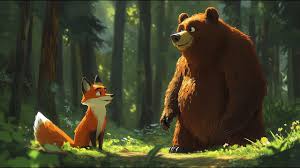
Like many men in the Iron John portion of the Men’s Movement, I experimented with symbolic identities—totems. At first, I identified with Bear: solid, protective, enduring, responsible. Many years later, I came to realize that the fox was more of my totem. A fox is curious, adaptive, observant, playful, reflective. All of which I felt I began to reflect as I aged. At the time, these symbols were helpful. They gave language to inner change.
Today, they seem overly simplistic. But they were steppingstones toward something deeper for me, an integration with my body and heart and soul.
I didn’t abandon Bear to become Fox. I became both.
When the Men’s Movement Faded
Over time, much of the Men’s Movement seemed to vanish.
The books faded.
The groups dissolved.
The public conversation moved on.
In their place came something louder and regressive: consumer masculinity, tribal politics, online posturing, more sports mania, the beginning of the “Bro Culture.” Man Caves. More machismo. In some cases, there is more evidence of the old idea that a women’s place is in the kitchen. Many have even embraced a new brand of misogyny.
I have asked myself many times. Why did the earlier movement disappear? Some of the answers I have come up with include:
- Because it was hard.
- Because it wasn’t profitable.
- Because it demanded self-examination.
- Because it couldn’t be turned into a brand.
It asked men to grow up emotionally. Mass culture prefers men who stay boys.
From My Earlier Totems to a Wizard Totem
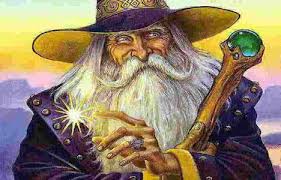
Looking back now, I realize I no longer think of myself as Bear or Fox. If anything, I feel closer to the image of a Wizard—or perhaps a tired King Arthur looking back on Camelot.
For many years, I believed deeply in the possibility of moral progress. I believed that reason, good faith, dialogue, and education could slowly improve our institutions and our democracy. I still believe in those values. But I now see how fragile they are. How easily they are exploited.
How quickly they are undermined. How relentlessly bad actors manipulate good intentions.

The Myth of Camelot
Once upon a time, probably after having read the book, The Once and Future King, I believed in King Arthur’s Camelot. I believed in the Knights of the Round Table. I believed in magnificent quests for a Holy Grail. I believed that all cultures needed a Merlin the Wizard. I wanted to be the Wizard for America. My writing, teachings and consulting would steer us on the path to Camelot. I look back now and ask myself if my dream did not disappear because I was young and foolish or was it some form of egoistic idealism.
I wanted moral coherence in a morally imperfect world. I wanted a society that rested on justice, restraint, honor, service, and mutual responsibility.
Any possibility of an American “Camelot” now faces the following barriers:
- Institutional decay.
- Performative outrage.
- Loss of shared reality.
- Polarization.
- Disinformation.
Many of us who once believed deeply in reform now watch with quiet concern.
The Role of the Elder
In mythology, Wizards do not rule. In Native American Cultures, the role of the elder is similar.
They remember.
They remind.
They counsel.
They preserve stories.
They pass on perspective.
They don’t shout.
They don’t dominate.
As I grow older, I see that this is the role many reflective men eventually inhabit—whether they intend to or not. I am trying to do this today:
Through writing.
Through mentoring.
Through community work.
Through quiet conversations.
Through example.
What Was Not Lost
Sometimes I mourn the disappearance of the earlier Men’s Movement. But I also know this: It did not really vanish.
- It lives in the lives of the many men it shaped.
- It lives in the lives of men who have learned to listen.
- It liven in the lives of men who learned how to feel.
- It lives in the lives of fathers who learned to take responsibility for their children.
- It lives the life of husbands who learned to speak about their feelings with their spouses.
- It lives in the lives of citizens who learned to think ethically.
As opposed to those who live in a Society of Spectacles, it lives quietly. It is:
Unbranded.
Uncelebrated.
Unmarketable.
But real.
A Word to Other Men
If you are reading this and remembering similar groups, books, conversations, or long-forgotten aspirations—you are not alone. If you feel a mixture of pride and regret, hope and sorrow, clarity and concern—you are not alone. If you sometimes wonder what happened to the better angels of our public life—you are not alone. And if you are trying, even now, to live thoughtfully and responsibly in an age that rewards greed and violence and vengeance—you are not alone.
Closing Reflection
I no longer believe in a perfect Camelot. There is no shining city on the hill. There are no streets paved of gold. Perfection cannot be found only worked towards. Sadly, it is possible to lose the target and even go backwards.
Perhaps the only thing that will ever keep us on the right path is conscience:
- In love
- In compassion
- In mercy
- In justice
- In dialogue
- In responsibility
- In humility
- In learning
- In service
I believe that civilizations survive not through slogans, but through people who quietly refuse to abandon those values. People like those in Minneapolis and other cities across the USA and World who will stand up for what they believe even when their lives are threatened and standing up is anything but convenient.
Perhaps that is enough.
Perhaps it always was.

 Aging Capriciously