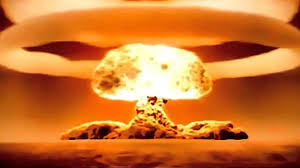
We bombed some residential neighborhoods. Bomb, bomb, bomb.
Oops. We did not mean to.
But you know with bombs, it’s
– Never Enough – Never Enough – Never Enough
Oops, hit some hospitals and medical facilities. Bomb, bomb, bomb.
Sorry for the dead relatives and friends.
But you know with bombs, it’s
– Never Enough – Never Enough – Never Enough
Schools and universities. Bomb, bomb, bomb.
Stupid people. Stupid culture. You won’t miss them.
But you know with bombs, it’s
– Never Enough – Never Enough – Never Enough
Power plants and electrical grids. Bomb, bomb, bomb.
Now we are getting somewhere. Starve them. Freeze them.
But you know with bombs, it’s
– Never Enough – Never Enough – Never Enough
Water and sanitation systems. Bomb, bomb, bomb.
Dirty people. They don’t need water.
But you know with bombs, it’s
– Never Enough – Never Enough – Never Enough
Transportation infrastructure—roads, bridges, rail. Bomb, bomb, bomb.
Strand them where they are.
But you know with bombs, it’s
– Never Enough – Never Enough – Never Enough
Markets and food supply centers. Bomb, bomb, bomb.
Hungry people make quiet people. Let them starve.
But you know with bombs, it’s
– Never Enough – Never Enough – Never Enough
Religious and cultural sites. Bomb, bomb, bomb.
Erase their history. Their gods. Their meaning.
But you know with bombs, it’s
– Never Enough – Never Enough – Never Enough
Communication systems—cell towers, media offices. Bomb, bomb, bomb.
Silence them. No voices. No truth.
But you know with bombs, it’s
– Never Enough – Never Enough – Never Enough
Industrial facilities—factories, warehouses. Bomb, bomb, bomb.
No work. No future. No rebuilding. Keep them broken.
But you know with bombs, it’s
– Never Enough – Never Enough – Never Enough
One day,
We bombed ourselves. Bomb, bomb, bomb.
Mistakes happen. Dead friends. Dead Families. Dead Ministers. Collateral damage.
But you know with bombs, it’s
– Never Enough – Never Enough – Never Enough
I sit here thinking of the roads we could repair, the bridges we could construct, the medical care we could give, the schools we could build, the lives we could save, the housing we could develop, the parks, the libraries, the trails, all dead, all murdered, all destroyed by the bombs we drop. But you know with bombs, it’s
– Never Enough – Never Enough – Never Enough

 Aging Capriciously