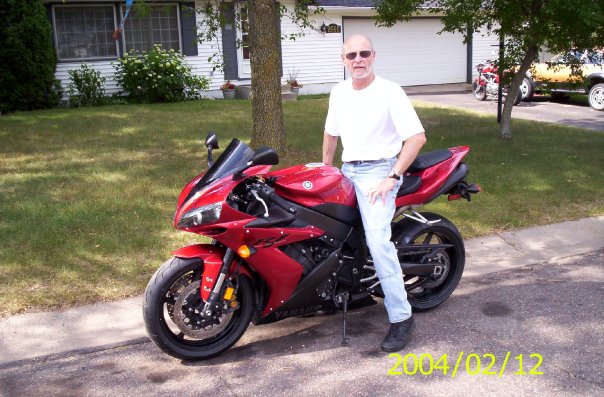
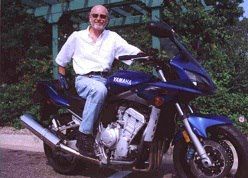
I spent twenty years riding a motorcycle, and over that time I came to understand something fundamental about risk: it cannot be eliminated. It can only be managed.
Among riders, there’s an old saying: “There are those who have crashed, and those who have yet to crash.” It’s not cynical—it’s realistic. When you choose to ride, you accept a higher probability of danger than if you stayed in a car or never rode at all. The question is not whether risk exists. The question is how you respond to it.
Over time, I began to think about people in three categories:
- Risk Avoiders – those who never ride. They eliminate risk entirely.
- Risk Maximizers – those who ride without protective gear, assuming skill or luck will carry them through.
- Risk Minimizers – those who accept the risk of riding but take every possible step to reduce both the probability of an accident and the consequences if one does occurs.
I was firmly in the third group. Every year, when better gear came out—helmets, jackets, and visibility enhancements—I upgraded. I rode with awareness, prepared for the unexpected, and assumed that someday I would crash. And I did—three times. Each time I walked away with little more than bruises.
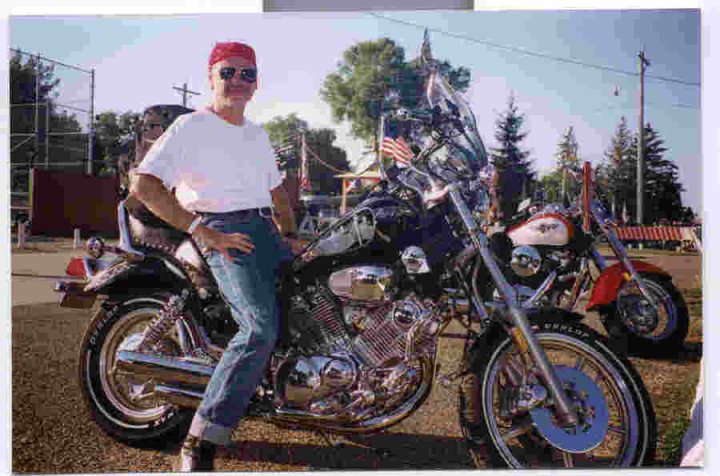
That experience shaped how I think about planning, leadership, and decision-making. Because the lesson extends far beyond motorcycles.
Risk Is Inevitable—But Failure Doesn’t Have to Be Fatal
In life, as in riding, there is no such thing as a 100 percent certain outcome. We take risks every day—when we drive, when we invest, when we make decisions for our families or organizations. Even doing nothing carries risk.
So the goal is not to eliminate risk. That’s impossible.
The goal is to choose the path with the highest probability of success, while preparing for the reality that things will go wrong.
This is where many plans—and many leaders—fail.
They confuse optimism with probability. They design for success, but not for disruption. They assume that if the plan is sound, reality will cooperate.
Reality rarely cooperates.
The Difference Between a Plan and Planning
Years ago, I often quoted a line attributed to Dwight Eisenhower:
“Plans are nothing, planning is everything.”
At first glance, that sounds dismissive of planning. It isn’t. It’s a recognition that the value lies not in the document, but in the process.
A written plan is static. It reflects assumptions at a moment in time.
Planning, on the other hand, is dynamic. It forces you to:
- Gather information
- Confront uncertainty
- Consider alternatives
- Anticipate what might go wrong
- Build contingencies
The plan may fail. But if the planning process has been done well, you are not left helpless when it does.
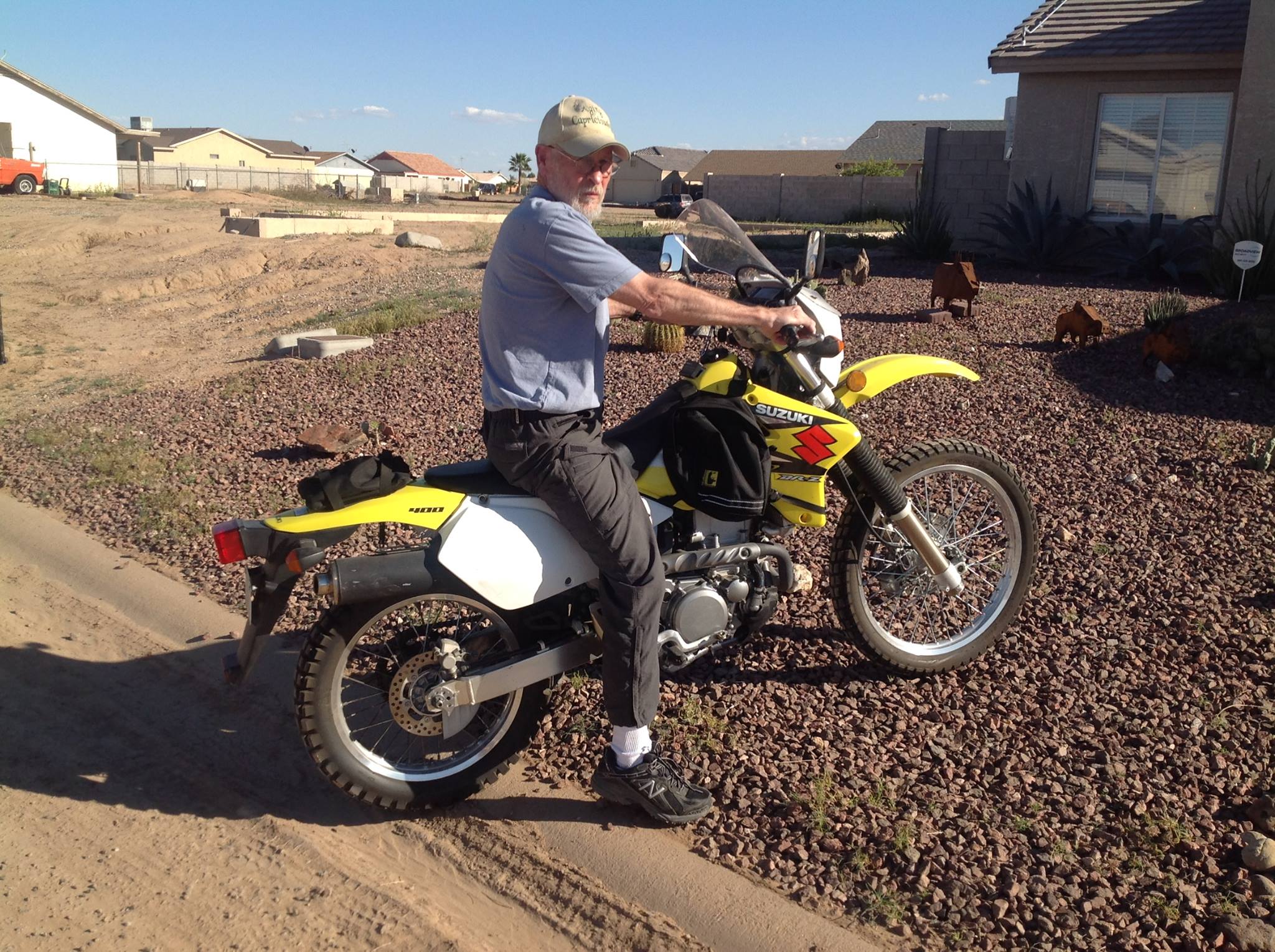
In motorcycle terms:
- The plan is the route you map out.
- Planning is your awareness, your training, your equipment, and your readiness to respond.
Closing the Gap Between Assumption and Reality
When I served as a ride leader, I didn’t just map out routes on paper. I would often pre-ride them.
Why?
Because maps don’t tell the whole story.
A route might look perfect on paper, but reality introduces variables:
- Construction zones
- Poor road conditions
- Traffic patterns
- Blind turns or unexpected hazards
By pre-riding the route, I was doing something critical:
I was testing assumptions against reality.
This step—so often skipped in planning—is where many failures begin.
It’s easy to build a plan based on what we believe to be true. It’s much harder to confront what is actually true, especially when it contradicts our expectations.
But without that step, we are not planning. We are guessing.
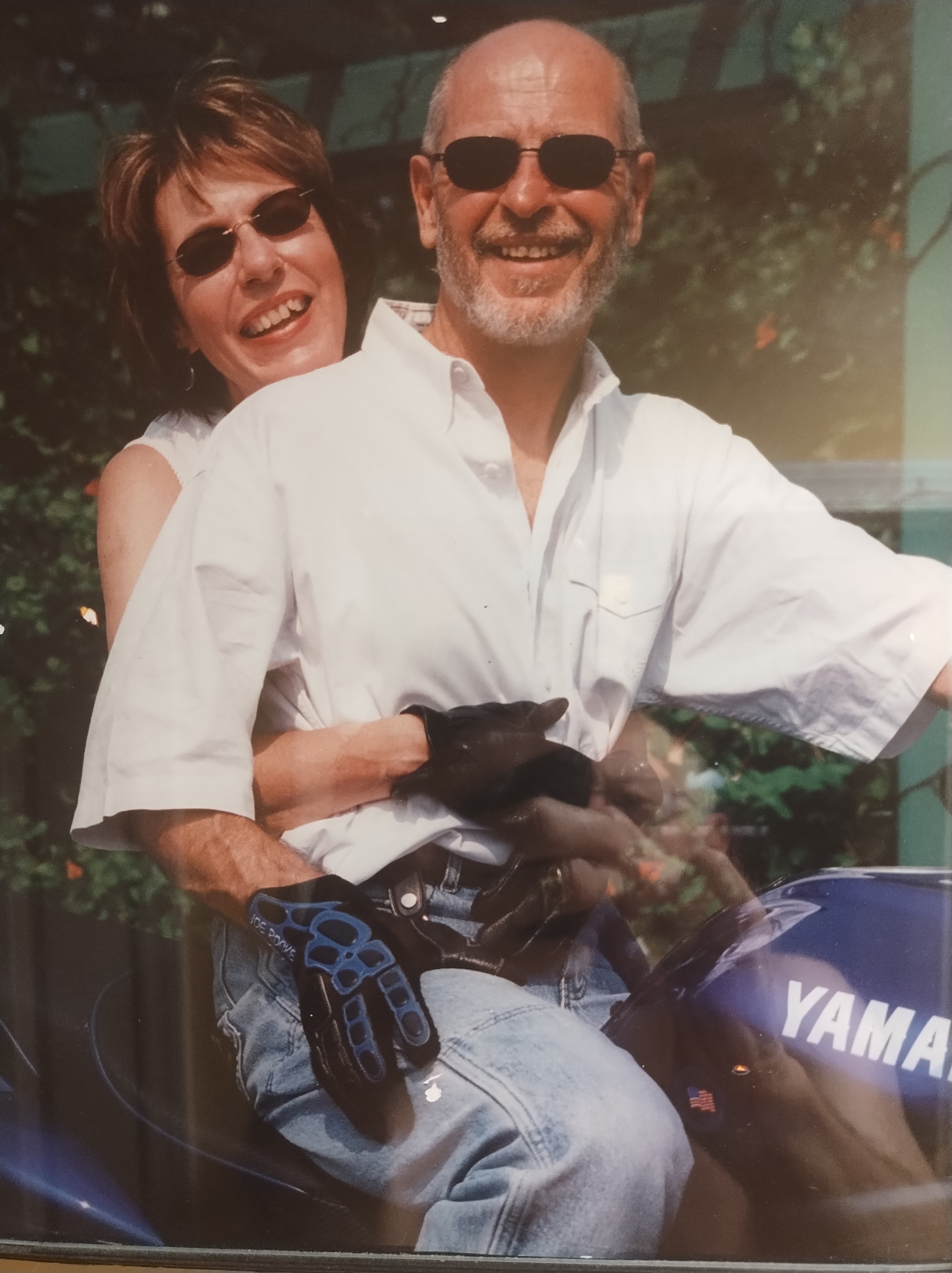
The Most Dangerous Mistake: Ignoring Unwanted Information
One of the most consistent causes of failure in history, business, and life is the tendency to ignore or downplay information that conflicts with what we want to believe.
It happens more often than we’d like to admit.
Leaders receive data that challenges their assumptions, and instead of adjusting the plan, they reinterpret the data until it fits. They filter out dissent. They press forward.
This is not a failure of intelligence. It is a failure of discipline.
History provides sobering examples of what happens when leaders ignore information that contradicts their plans. At the Battle of the Little Bighorn, George Armstrong Custer dismissed reports from scouts that indicated a far larger Native force than expected. Rather than reassess, he advanced into a situation he did not fully understand—resulting in the destruction of his command.
A similar pattern appeared during Operation Market Garden in World War II. Intelligence suggested that German armored units were present near Arnhem, yet this information was discounted or minimized in planning. The operation proceeded under assumptions that no longer matched reality, leading to failure and heavy losses.
Even at the strategic level, Adolf Hitler’s decision to invade the Soviet Union during Operation Barbarossa ignored repeated warnings about logistics and winter conditions. Early successes gave way to catastrophic overreach when those ignored factors took hold.
In each case, the pattern is the same: when leaders choose the plan over the data, reality eventually enforces its own correction—often at great cost.
Good planning requires a willingness to say:
“If this information is true, what does it mean for our plan?”
That question can be uncomfortable. It may require delay, revision, or even abandoning the original approach. But ignoring it doesn’t eliminate the problem—it magnifies it.
The Weather Variable: True Uncertainty
Even with careful planning and validation, there is one factor that cannot be fully controlled or predicted: uncertainty.
For riders, that often comes in the form of weather.
I remember being out on rides when:
- A tornado was spotted nearby
- Snow began falling unexpectedly
- Hail made the roads dangerous
These weren’t theoretical risks. They were immediate, real, and potentially life-threatening.
In those moments, the original plan no longer mattered.
What mattered was the decision:
- Do we continue?
- Do we slow down?
- Do we seek shelter?
These decisions had to be made in real time, based on changing conditions.
And that’s the key:
Good planning includes not just a path forward, but decision points for when conditions change.
Conditional Thinking: The Heart of Good Planning
The best plans are not rigid. They are conditional.
They are built around statements like:
- If conditions remain favorable, proceed.
- If conditions deteriorate, adapt.
- If conditions become dangerous, stop.
This kind of thinking acknowledges uncertainty and prepares for it.
It doesn’t assume that everything will go according to plan. It assumes that something will go wrong—and builds in the flexibility to respond.
In motorcycle riding, this might mean:
- Slowing down when visibility drops
- Pulling over when roads become unsafe
- Rerouting when conditions change
In leadership, it means the same thing:
- Adjusting strategy based on new data
- Revising assumptions when evidence changes
- Being willing to change course when necessary
Risk Minimization: Reducing Probability and Consequence
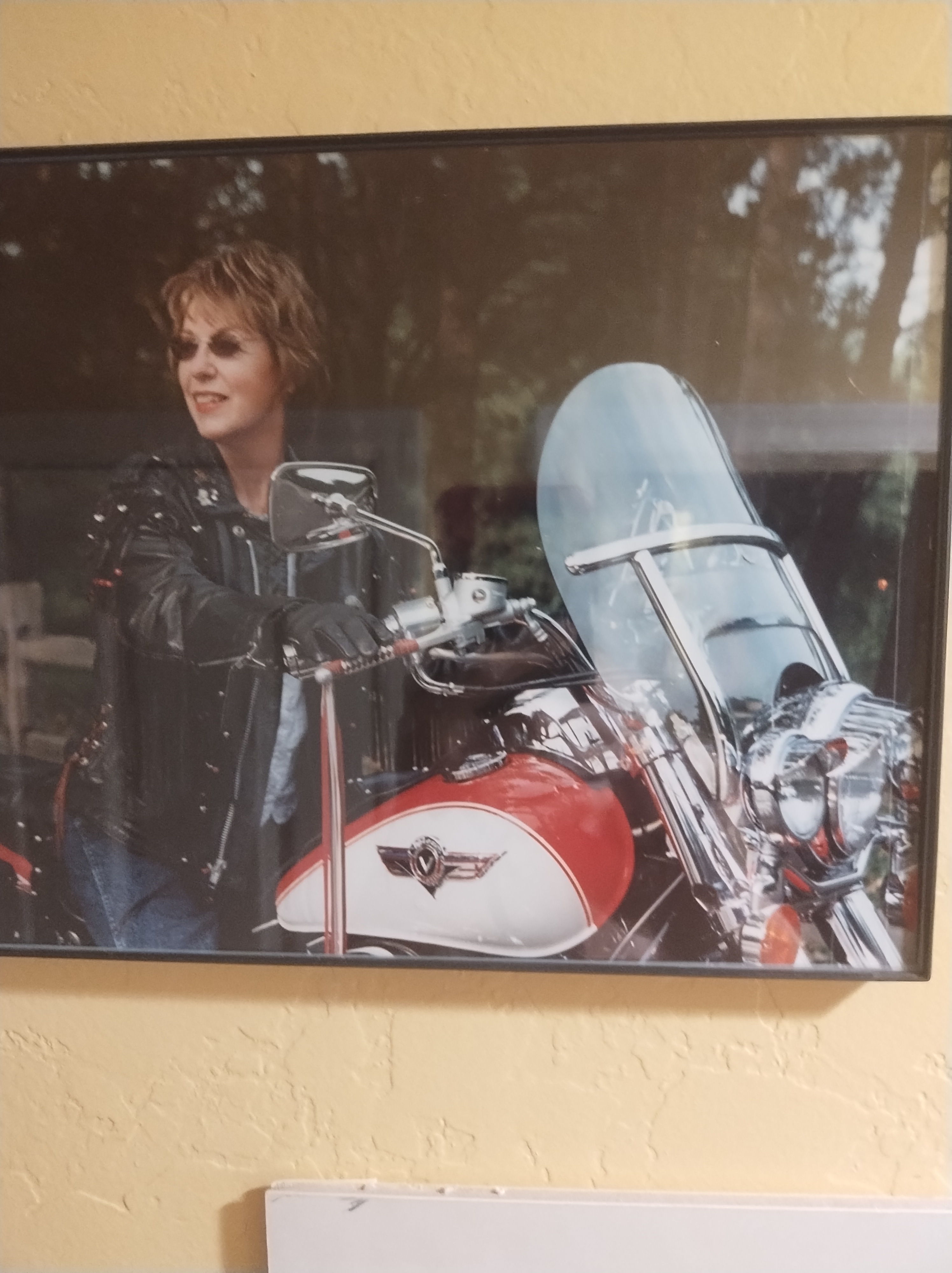
When I rode, I didn’t just try to avoid accidents. I prepared for them.
That meant:
- Wearing a helmet
- Using protective gear
- Increasing visibility
- Riding defensively
These actions did two things:
- Reduced the probability of an accident
- Reduced the severity if one occurred
That’s the essence of risk minimization.
In planning terms, it translates to:
- Redundancy (backup options)
- Contingencies (plans for failure)
- Flexibility (ability to adapt)
- Feedback loops (continuous learning)
A plan that lacks these elements is like riding without protective gear. It may work fine—until it doesn’t.
When Plans Fail
Plans don’t usually fail because they were poorly written. They fail because they were:
- Based on incomplete or biased information
- Designed without sufficient contingency
- Executed without adaptation
- Maintained despite changing reality
The failure is rarely a single moment. It’s a process.
It begins when leaders stop listening to new information. It accelerates when they become committed to a specific outcome. And it culminates when reality finally asserts itself.
A Better Way to Think About Planning
If there is one lesson that comes from both riding and leadership, it is this:
The goal of planning is not to create a perfect path—it is to remain effective when the path changes.
That requires:
- Honest assessment of probability
- Respect for data, especially when it challenges assumptions
- Preparation for failure, not just success
- Continuous adaptation based on feedback
It also requires humility.
Because no matter how good the plan is, it will never be perfect.
The Final Metaphor: Wear a Helmet
If I had to reduce all of this to a single image, it would be this:
Planning without contingency is like riding without a helmet.
You might get away with it. You might even feel confident doing it. But when something goes wrong—and eventually, something will—the consequences can be severe.
Good planning doesn’t eliminate risk.
It doesn’t guarantee success.
But it does something just as important:
It ensures that when things go wrong, you’re still in a position to recover, adapt, and move forward.
Closing Thought
In the end, life, leadership, and even motorcycle riding come down to the same principle:
We operate in a world of uncertainty. We cannot predict everything. We cannot control everything.
But we can choose how we prepare.
We can choose to ignore inconvenient truths—or to confront them.
We can choose rigid plans—or adaptive thinking.
And we can choose whether or not to wear a helmet.
Because the goal is not to avoid every fall.
The goal is to survive the fall—and keep riding.


Apr 23, 2026 @ 11:27:37
Excellent! I was definitely in category two. And seemingly got away with it. “Rewarded behavior will be repeated.” I think it was B.F. Skinner who said that. I always got back up when I crashed, w/o a scratch. Most likely luck. Have you heard this one? “There are old motorcycle riders, and bold motorcycle riders; but there are no old, bold motorcycle riders.” I quit riding after some scary/lucky crashes.
LikeLiked by 3 people
Apr 23, 2026 @ 20:17:35
Thanks for commenting Mark, Every time I got on my R1, I would repeat that refrain about old and bold motorcycles. I was our club safety officer for a number of years and loved to instruct new bikers. I also encountered many “seasoned” instructors who should be been banned from the road. Not always easy to find someone with common sense, particularly anyone who rides a motorcycle. 🙂
LikeLiked by 2 people
Apr 26, 2026 @ 13:46:27
I agree John, life and motorbikes are much the same, the ride on both is risky, but enjoyable.
LikeLiked by 4 people
Apr 26, 2026 @ 14:28:53
Hi Jon, some of my best memories are of the motorcycle trips Karen and I took. But as with many things, we decided to “hang up our spurs” and minimize the risk of growing old in a wheel chair. Much safter taking walks, depending I suppose on where you live.
LikeLiked by 1 person
May 15, 2026 @ 00:02:53
Life is nothing without any risk, John, I like your attitude
LikeLiked by 1 person
May 15, 2026 @ 06:18:45
Thank you for the comment. I appreciate it. Hope you live long and prosper as the Vulcans say.
LikeLike
May 15, 2026 @ 00:13:40
Very energetic post. Yes, life is nothing without any risk. I like your attitude, John.
LikeLiked by 2 people
May 15, 2026 @ 06:19:47
Yes, I guess we all have some tolerance for risk. I can’t say I want to go bungee jumping off El Capitan though. Thank you for taking the time to comment.
LikeLike
May 15, 2026 @ 04:57:12
I would read a book on your life experience on the road, as a risk averse person that paid the price for it learning how to be a risk minimizer as you say has been a hard and painful journey
LikeLiked by 2 people
May 15, 2026 @ 06:22:06
Well, there is the saying that “Whatever does’nt kill you makes you stronger.” Some truth to that I think. Although I might not push it too far. But it many ways, it all creates the character that you and I now share and it beats staying in and watching TV. IMHO. thanks for the comment.
LikeLiked by 1 person
May 15, 2026 @ 06:07:47
My Dad and I did a tour of New Zealand last year on motorcycles. We had a great time. At the end of the trip we went bungee jumping and everyone we told said “bungee jumping is so dangerous!”
Compared to motorcycling? Before you jump, someone does math and two people check your gear.
And as you plummet towards the river below no car is going to pull out in front of you
Great blog, thanks for the post.
LikeLiked by 1 person
May 15, 2026 @ 06:25:37
You bring up some good points Russ. Glad to hear that you and your Dad had such a great trip together. I always tell people in this country who seem fearful that they think nothing of getting in a car and going someplace when about 45000 people are killed every year in vehicle accidents. People think I am crazy but if it was up to me, I would do away with most if not all the airport security we now have and take the same chances that I took before the TSA and HSA and all the other government agencies starting checking my hat, wallet, shoes and whatever. John
LikeLike
May 15, 2026 @ 06:38:46
This is great! Thank you!!!
LikeLike
May 15, 2026 @ 11:08:17
It is great to have people like you respond. I appreciate it very much and hope some of my ideas will keep you safe and happy.
LikeLiked by 1 person
May 15, 2026 @ 09:12:10
You’re Awsome.
LikeLike
May 15, 2026 @ 11:07:32
Thank You so much for your kind compliment. I am glad you enjoyed my blog. Safe riding to you.
LikeLike
May 15, 2026 @ 09:29:34
Priceless information ! Thank you for sharing.
LikeLike
May 15, 2026 @ 11:06:39
Thank you so much for taking the time to comment. Safe Riding.
LikeLike
May 15, 2026 @ 11:54:20
Loved all your photos. We all need a passion, and biking is yours.
LikeLiked by 1 person
May 15, 2026 @ 13:33:56
Thank you Mr. Parashar, I appreciate your comment. My biggest passion though has always been reading and writing. I could live anywhere as long as there was a library. You might find this blog I wrote interesting if you like books. I wrote it 12 years ago. I suppose some of the video links are no longer functional but the videos were really fun and added to the blog I think.
LikeLiked by 1 person
May 16, 2026 @ 08:15:01
This is a great post, well written. I love the photos. I only crashed once, dropped the bike too, once.
Yet, there is something almost too conventional about back lighting a ‘Ted’ talk with biker imagery. Riding bikes, even fully protected as you advocate, is not about convention or living with rules. It’s about open roads, wind in your hair, acceleration… and staying out of the rain.
LikeLiked by 2 people
May 16, 2026 @ 10:34:58
Thank you for the comment Chuck. I would add only one thing, it is about having fun as well as the things you mentioned. Sadly, there comes a time to give things up and my wife and I have both hung up our “spurs.”
LikeLiked by 1 person
May 16, 2026 @ 10:47:14
My wife does not want me to have another bike. To be honest, I think about it sometimes. I think it’s still in my blood. My reaction time is much slower now, and my night vision sucks. So, it does not really make much sense. But still….
LikeLike
May 16, 2026 @ 11:20:47
Chuck, Follow your wifes advice and grow old along together happy and healthy. Look back and remember the “Good old days” when you had better balance, reaction time and night vision. Also remember what happens to old boxers who do not know how to “hang up the gloves.” There is no shame in retiring your spurs with your body still in good shape and not in a wheelchair. IMHO John
LikeLiked by 1 person
May 17, 2026 @ 15:45:30
I love motorcycle
LikeLiked by 1 person
May 17, 2026 @ 15:47:53
Do you ride?
LikeLiked by 1 person
May 17, 2026 @ 18:07:45
No. But Like so much
LikeLike
May 17, 2026 @ 18:15:30
Proceza, I wish you good luck with it. My wife and I both many years ago started off by taking a riders course that the DOT offered. After that first class, we would take the Advanced Riders Class every other year for twenty years. I had ten patches for my jacket. Each class helped me be a better rider. Some riders think they know it all and do not regard classes as important but theory and practice are always important and most of the riders courses involve both theory and lots of practice. Jjohn
LikeLike
May 18, 2026 @ 08:57:51
Good post and true. I spent years managing risk in release, deployment, and managing code in large, complex environments, plans, and contingency plans. Even then, things happen. Spent years on a bike, Heritage softail, sometimes a helmet, sometimes not it depends on where I was going and the risk I was willing to take. World War 1 was loaded with bad information, plans, and missed opportunities. Failure is in everything; you just try to manage the risk to limit the failure.
LikeLiked by 2 people
May 18, 2026 @ 09:58:36
You have said it very well and in many less words than I used. My problem is probably being too verbose. I think we would get along quite well. I love planning. I have planned over 38 of our 45 trips overseas. Each trip to only one place. It is a real challenge and it seemed like I was getting better as we went along. However, I decided on our last trip to South Africa and our next trip this year to Egypt, to pay more and let someone else do the planning. I don’t know but I think I want to transfer the risk to someone else. All of our trips were wonderful but I am going to quit the planning while I am ahead. Thanks for leaving your comments. Very interesting. John
LikeLike
May 19, 2026 @ 02:16:10
I have never been accused of being verbose 😀 yes I think we would get along well. I subscribed and like the blog.
LikeLike
May 19, 2026 @ 08:06:21
Kevin, I hope you did not think I was accusing you of being verbose? I was speaking of my own predilection to be overly redundant at times. At least that is what my wife tells me. Thank you for subscribing Kevin. It is always great to have readers. I have no paywalls or ads or monetary benefits from my site because I like to share ideas. In fact, I do not copyright anything since I hope some of the ideas I have will get more widespread if people are not worried about copyrights. Anyway, hope life is going well for you. Thanks for replying and reading. John
LikeLiked by 1 person
May 19, 2026 @ 08:09:12
ha , no I did not take it that way. I have a tip me if anybody wants but no obligation
LikeLiked by 1 person
May 19, 2026 @ 19:29:58
Good, I don’t want to offend my readers unless absolutely necessary 🙂
LikeLike
May 19, 2026 @ 19:57:37
Really strong reflection on how planning isn’t about certainty but about preparedness. The riding metaphor works well, especially the idea that risk doesn’t disappear, it just changes shape based on how we choose to manage it. The “helmet” takeaway is simple, but it lands.
LikeLiked by 1 person
May 19, 2026 @ 21:34:04
Thanks, you sound like you do a bit of writing yourself. I appreciate the analysis. Sometimes when we write we don’t know how it sounds to other people. I hear the words in my brain but often wonder if other people hear the same thing. I appreciate your insightful comments. john
LikeLiked by 1 person
May 20, 2026 @ 03:59:33
Thank you kindly, Dr. Persico. Yes, I do some writing myself, so I understand exactly what you mean. Sometimes we release words into the world wondering if readers will truly hear what we intended. In this case, the message came through powerfully. I appreciate your thoughtful reply and your willingness to share your reflections so openly.
LikeLiked by 1 person
May 20, 2026 @ 13:34:46
Thank you. I want to practice integrity as I don’t think I could live with myself if I felt that I did not exemplify this virtue. Thus, I try to be transparent and as honest as I can be with my thoughts without stepping over the line into arrogance and some kind of “know it all ism.” My favorite philosopher will always be Socrates, because he knew that he did not know everything. The Oracle of Delphi declared Socrates the wisest man because he was the only person who recognized his own ignorance.
LikeLiked by 1 person
May 22, 2026 @ 11:28:58
There’s nothing quite like riding a motorcycle and nothing quite as important as protective gear. I enjoyed your post!
LikeLiked by 1 person
May 22, 2026 @ 15:00:21
Thank you for taking the time to comment. I appreciate it very much. I wonder how many lives would be saved each year if more people wore protective gear? John
LikeLiked by 1 person
May 23, 2026 @ 18:37:45
–Probably a lot of lives would be saved if all motorcyclists wore protective gear.
–I like the quote from Julius Caesar. Shakespeare rises to the top again!
LikeLiked by 1 person
May 24, 2026 @ 07:58:35
You got me curious on the possible number of motorcycle deaths that might be prevented by helmet use. I also looked at helmet use for cars. I thought that might be an interesting comparison. Here is what I found.
Motorcyclists: about 600–750 lives per year in the U.S. would be saved if all riders wore helmets. NHTSA’s older direct estimate was 749 additional lives in 2017, and IIHS more recently estimates universal helmet laws could cut motorcycle deaths by about 10% per year; with 6,228 motorcyclist deaths in 2024, that implies about 620 lives/year. Helmets are about 37% effective at preventing motorcycle deaths.
Car drivers wearing helmets: much harder to estimate, because cars already have seat belts, airbags, padded interiors, crumple zones, and head restraints. A rough upper-bound estimate might be hundreds to perhaps 1,000+ lives per year, but that is speculative. Vehicle-occupant traumatic brain injury deaths are substantial — one study found 7,170 occupant deaths with TBI in motor-vehicle crashes — but many of those would not be prevented by a helmet because the fatal force may involve chest trauma, neck injury, crushing, ejection, or whole-body deceleration.
My practical estimate: motorcycle helmets would save around 600–750 Americans per year; car-driver helmets might save some lives, but probably far fewer per user than motorcycle helmets, and the better payoff remains seat belts, airbags, safer vehicle design, speed reduction, and impaired-driving prevention.
LikeLike
May 24, 2026 @ 08:07:59
Here is some additional information about deaths in cars and motorcycles. I also started wondering “what about deaths due to alcohol?” Driving while impaired. Here is what I found. Call it a major risk factor but it far surpasses any reasonable use of equipment to prevent deaths.
For motorcycles, alcohol is a very major factor in fatal crashes.
In 2023, about 1,668 motorcyclists killed in crashes were legally alcohol-impaired (.08 BAC or higher), which was about 26% of all motorcycle deaths.
In single-vehicle motorcycle crashes in 2024, about 40% of riders killed were alcohol-impaired.
Night riding is especially dangerous: about 42% of motorcycle riders killed at night were alcohol-impaired, versus 16% in daytime crashes.
For automobiles and all motor vehicles combined:
In 2024, approximately 11,904 people died in alcohol-impaired traffic crashes in the United States.
Alcohol-impaired driving accounted for about 30% of all U.S. traffic fatalities in 2024.
A key distinction:
The 1,668 motorcycle figure refers specifically to motorcyclists themselves who were impaired and killed.
The 11,904 total alcohol-related traffic deaths includes drivers, passengers, pedestrians, bicyclists, and occupants of all vehicle types killed in crashes involving an impaired driver.
One striking point is that motorcycles combine several high-risk factors:
no protective helmet,
higher rates of speeding,
reduced visibility,
and much higher alcohol involvement.
That is why motorcycles are extraordinarily dangerous relative to cars. NHTSA estimates motorcyclists are roughly 27 times more likely to die per mile traveled than passenger-car occupants.
LikeLiked by 1 person
May 25, 2026 @ 17:45:03
When we lived in Mexico, for a few years we rode with a group of very nice people. They enjoyed stopping for lunch along the way. Some people ordered a drink with their meal, some did not. Then they started ending the day at a bar. Most people ordered a drink, some had several and were riding home after dark. Tired. Some with helmets, some not. In Mexico where driving regulations are treated as suggestions! The scenario was an accident waiting to happen. We stopped riding with them.🤷♀️
LikeLiked by 1 person
May 25, 2026 @ 18:09:20
In my club, we did not have a helmet rule but we did have a “no liquor” rule while on the ride or stopped unless we were stopped for the night. We would hang out sometimes late drinking but the bikes were parked. I still miss many of the people we rode with but they are either passed away or have given up bike riding. As with everything, there is a time to quit and to know when to quit.
LikeLiked by 2 people
May 22, 2026 @ 17:22:55
Funny how life teaches us lessons through different ways. But, nonetheless I do agree, life is nothing without risk. Life was meant to be lived, & with that comes some form of risk. Your post is really insightful! Thanks!
Have a great day!
BBB
LikeLiked by 2 people
May 22, 2026 @ 17:54:55
Thank you for the thoughtful comment> I am very glad you enjoyed my blog. So many people wrote that they agreed that life without taking some risks would not “be worth living.” I have one friend whom I have tried to convince that truth to over the years and have not yet been successful. I always loved the quote from Shakespear’s Julius Caesar “Cowards die many times before their deaths but heros only die once.” The full quote is actually:
“Cowards die many times before their deaths;
The valiant never taste of death but once.
Of all the wonders that I yet have heard.
It seems to me most strange that men should fear;
Seeing that death, a necessary end,
Will come when it will come.”
LikeLiked by 1 person
May 24, 2026 @ 16:57:54
I very much did! Let’s hope you become successful in convincing your friend to understand life & its risks. Last of all, I agree with that quote from Julius Caesar. Truer words have not been spoken!
Have a nice day!
LikeLike
May 24, 2026 @ 18:17:38
Being a BLogging Blogger Bloggist, you might appreciate this blog I wrote 12 years ago. It is “How I wrote the Worlds First Un-Blog” Every true blogger should know how to write an unblog. https://agingcapriciously.com/2014/05/12/the-worlds-first-un-blog-how-we-can-solve-all-of-the-worlds-problems/
LikeLiked by 1 person
May 28, 2026 @ 14:29:06
Wow! 12 years ago! I admire your consistency! I’ll definitely check it out!
Have a nice day!
LikeLike
May 23, 2026 @ 13:16:26
I believe part of your message is, “do what’s right for you.” Pleasant travels to all of you motorcyclists.
Anecdote: a colleague used to hand out organ donor cards to motorcyclists who were not wearing helmets. She did this from the window of a paramedic ambulance. Eventually, word got back to the boss. She was told to stop the practice or look for another job.
LikeLiked by 3 people
May 24, 2026 @ 07:52:47
Interesting story. Do you think the boss was right or was he/she a motorcyclist? 🙂
LikeLike
May 24, 2026 @ 08:00:43
Interesting story.
LikeLike
May 24, 2026 @ 08:08:58
True, I am not in favor of mandatory helmet laws. Driving while impaired is another story of course.
LikeLike
May 31, 2026 @ 16:50:53
I think her boss was responding to fear of the unknown. In those days, many people survived organ failure because of the generosity of others.
LikeLiked by 1 person
Jun 15, 2026 @ 19:46:40
great article, really enjoyed! i’d love to get some feedback on my latest essay if you’re interested!
LikeLiked by 1 person
Jun 18, 2026 @ 16:47:52
Yes, I would love to see it. My email is persico.john@gmail.com
LikeLike
Jun 24, 2026 @ 18:01:55
❤️❤️❤️❤️
❤️❤️❤️❤️
LikeLike
Jun 26, 2026 @ 09:52:42
Real adventure
LikeLike
Jul 06, 2026 @ 03:07:01
Love the site! I blog about the New York Mets, mets-madness.com feel free to check out my blog, this link is the correct one if you scroll all the way down on my blog you can subscribe, can you please follow mine too? Let’s help each other grow! -Mikayla Scotlynd Littrell, MetsMadness.
LikeLiked by 1 person
Jul 07, 2026 @ 21:40:56
Thank you so much for your kind comment.
LikeLike
Jul 17, 2026 @ 21:49:04
One Day Everything Will Change 🚀
No matter how hard things feel right now, every struggle is shaping your future success. Keep going, stay consistent, and trust the process. One day, everything you worked for will finally pay off—and it will all make sense. This is your reminder to never give up.
#Motivation #SuccessMindset #NeverGiveUp #KeepGoing #MotivationalSpeech #SuccessStory #DreamBig #Consistency #HardWorkPaysOff #MindsetShift
LikeLike
Jul 20, 2026 @ 07:12:46
THANKS FOR THE COMMENT.
LikeLike
Jul 19, 2026 @ 23:30:31
This was a really fun read! Great work. I’d love for you to check out my latest work at storefrontsubway.com, if you’re interested! Always looking to get some feedback!
LikeLiked by 1 person
Sep 05, 2026 @ 10:23:42
Such wisdom!
LikeLike
Sep 05, 2026 @ 18:11:59
Who? WHere? What was it I said that struck you as wisdom? My spouse Karen never says I am very wise but only that I forgot to take the garbage out and the truck passed us by. No just kidding. I want to stay humble so please forget what you just said. 🙂
LikeLiked by 1 person
Sep 05, 2026 @ 19:12:49
We have had some similar adventures. My husband and I lived in Indonesia for 6 years, where my husband flew a float plane.on rivers. They were able to eliminate a lot of risks, but it wasn’t safe. When we had our first child someone actually asked me if we were taking her back to Indonesia with us. Yes, we had a child so we could have a child! But I get it, it definitely carried more risks than an infancy in America does. We came back to the U.S. and my husband started his career in law enforcement. Again, lots of ways to minimize risks, but it is what it is.
LikeLike
Sep 06, 2026 @ 07:57:37
Thanks for the comment Robyn. Many people do not think about the risks in life or they try to ignore them. I have a friend who seems to live in a shell since he is so afraid of dying he refuses to take any risks.
LikeLiked by 1 person