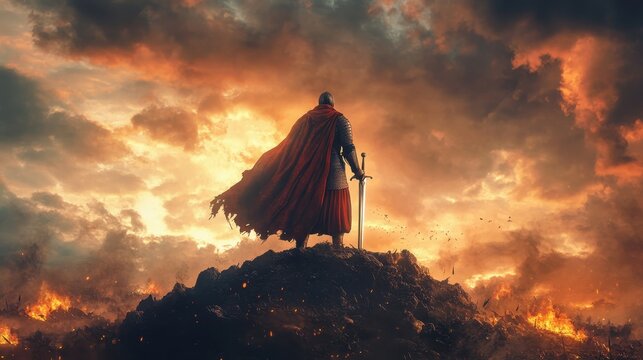
Over the years, I have come to think of myself as a warrior. Not because I served four years in the military. Truth be told, the Boy Scouts were a tough organization compared to the Air Force. I think of myself as a warrior because I have never walked away from a fight. Sure, I sometimes got my butt kicked but the other guy did not want to fight me again. Furthermore, we often had a greater amount of respect for each other after the fight was over. That is what it is like among warriors throughout the world. Not bullies mind you but warriors who do not shy from a fight or the draft. A warrior is not someone who loves fighting. A warrior is someone who accepts the burden of fighting when something worth defending is threatened. Bullies seek conflict. Warriors seek justice. I would rather defend someone else than defend myself.
Throughout history, from Alexander the Great to Audie Murphy, real fighters have always respected their opponents. My father was a professional boxer before he hung up his gloves. Never a great fighter but he had a pretty good win/loss ratio. My father taught me to box when I was young, and I later added Taekwondo to my repertoire. I could kick or punch with equal confidence. I was proud that I never picked a fight or started a fight. I once asked a good friend, why I had so many fights and he said, “Because you never walk away from one.”
I found it very difficult to ignore bullies or people picking on anyone. Most of my “disagreements” with others were over their mistreatment of someone. Like the time, I was in the pool hall on base, and an Army guy took the pool cue from a smaller soldier and said, “I am playing next.” I told him the little guy was next, and he told me, “Mind your own business.” My business continued with his friends pulling me off him as I was assaulting his head with my fists.
On the street corner where I hung around growing up in Rhode Island, I hardly ever got into any fights. People who hang in gangs learn to measure their opponents and learn where everyone stands in the pecking order. This is based on mutual respect learned sometimes the hard way. There were guys you would never get into a fight with because even if you won, they would get you back later. Like clocking you with a pipe wrench some night when you least expected it.
I think the same is true with warriors the world over. From Spartans to Trojans to Romans, to Gladiators, to Knights, to Indian Braves to Marines to Boxers, or to MMA fighters, the one thing all fighters respect is someone who will stand up for themselves and get back up when they are knocked down. That is the most difficult thing to do in a fight.
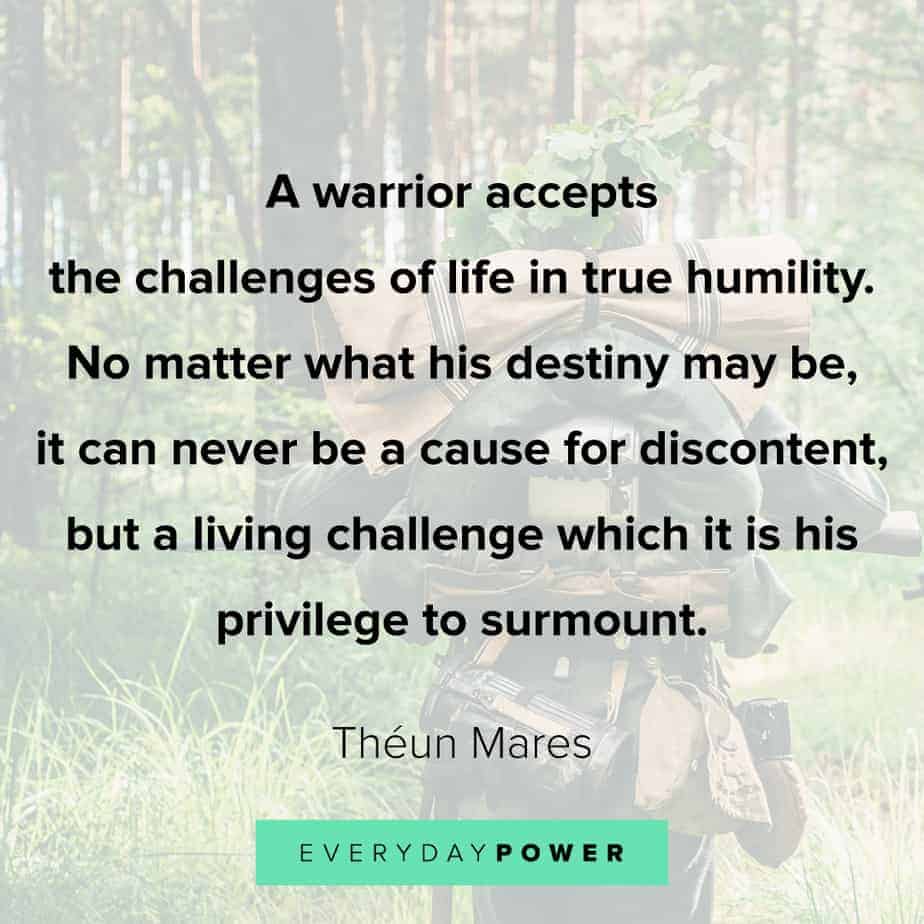
Watch the great boxers in history and every one of them is eventually knocked down but they almost always manage to get back up. Some of them don’t make the ten second count but it is not for trying. When someone puts up a clean fight or battle or contest, whether they win or lose it does not matter. Warriors respect courage, integrity and people willing to stand up for something.
A concept of respect among warriors does not mean that the great fighters in history did not also fight an intelligent fight. This means sizing up your opponent and looking at their strengths and weaknesses. Only a fool will fight a battle on someone else’s terms.
The most famous duel of the great Japanese swordsman Miyamoto Musashi was against Sasaki Kojiro on Ganryū Island in 1612. Both men were renowned for their fighting prowess. Musashi deliberately arrived hours late, angering and unsettling Kojiro. He also fought with a wooden sword carved from an oar during his boat ride to the island.
Enraged and off balance, Kojiro attacked first. Musashi struck a decisive blow, winning one of history’s most legendary sword duels through both psychology and skill. Musashi realized that Kojiro was his equal as a swordsmen. Knowing this, he sought the edge that would help him to defeat Kojiro. Musashi understood something every warrior eventually learns: courage alone isn’t enough. Respect also means respecting your opponent’s ability. Only fools underestimate those they fight.
An aerial battle between a German Ace and a British Ace exemplifies the concept of respect. The fight involved Adolf Galland and Douglas Bader during the Battle of Britain. Bader, who flew despite having lost both legs, became one of Britain’s most admired pilots. Though they were enemies, Galland and Bader developed mutual respect. When Bader was shot down and captured, Galland arranged for the Luftwaffe to drop replacement prosthetic legs for him. This is remembered less for a single duel and more for the remarkable respect between adversaries.
The stories of warriors from the Spartans to Native American warriors are full of examples where respect developed from the bravery and integrity demonstrated during the heat of battle. The great conquerors in history led from the front ranks and not from an office or palace someplace thousands of miles away. Soldiers seldom respect people who eschew the conflicts that are part of their lives.

As I aged, my experiences with veterans working at the VA, working as a DVOP and now co-hosting a radio show for Veterans has taught me how much different it is being a Veteran versus being a civilian. As a Veteran, it does not matter what branch I served in or whether or not I saw combat. I am respected because I willingly served my country.
You never know when your number will be called up when you are in the military. A Veteran may never see combat, but we respect those Veterans who serve because of the service they were willing to give. We respect the thought that “All gave some, but some gave all.”
No one wants to die but as Caesar said, “Cowards die many times before their deaths. The valiant never taste of death but once.” We respect men and women who are willing to put their lives on the line for a cause or an idea or their country. It is not the war or cause that leads to our respect for a warrior. It is because they are willing to concede their lives for something that they feel is more important than simply going on living.
Times have changed and I have grown older. I am still fighting. Age has changed the weapons I carry, but not the battles I choose. Today I fight with words. I fight for justice. I fight for equality. I fight for truth. Over the past ten or more years, I have called out the racists, the sexists, the war mongers, the crooked and the greedy. I have learned that moral courage is often harder than physical courage. A fistfight lasts minutes. Standing against popular opinion may require years. Standing against popular opinion may cost you friends and many of the things that you value in life.
I have written dozens of blogs to shed light on the injustices in our society today. Some have dealt with our prisons some with our military some with our health care systems and some with our education systems. I have not shied away from challenging accepted truths and venerated systems. More than once, I asked myself, “do I dare say this in print? Could it somehow come back to haunt me or damage what little financial security I have?”
My neighbor told me during one election that I should take my yard sign down as it would not go well in our neighborhood. Both Karen and I after some discussion decided to leave it up. A minor thing but when you look at the crazies in our society and the fanatics, it would have been easier to take it down and feel more secure. But that is not the way of being a warrior or a fighter. Warriors don’t take the safe way or the easy way.
Patrick Henry said, “Give me liberty or give me death.” Something inside of me calls forth a very similar sentiment. What would life be if we sold our soul for a job or for the favor of someone who had no morals or ethics? Jesus said “What doth it profit a man if he gains the whole world but suffers the loss of his own soul.” Perhaps more of the people who claim to be Christians should heed the words of Jesus. Today our political houses across this nation, from sea to shining sea are full of men and women who sell their souls and integrity every day for another chance to curry favor, to support a lobbyist or simply to insure that they will be reelected.
What will it take to turn America away from greed and cowardice and back to a country where we can admire and respect courage and integrity?
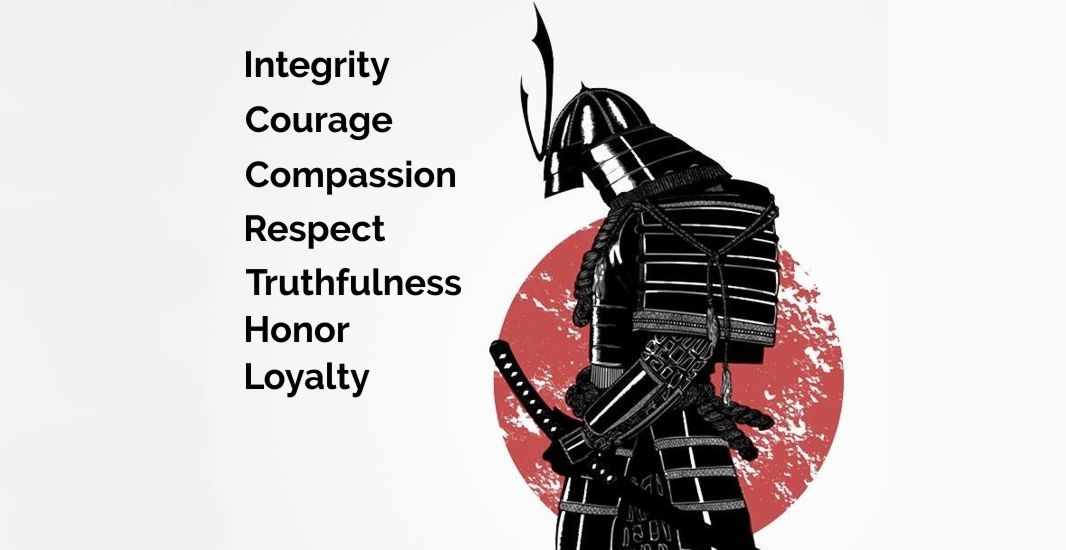
Every generation must decide what kind of people it admires. If we admire wealth above character, comfort above courage, and popularity above integrity, then warriors disappear—not from the battlefield, but from everyday life. Nations do not become great because they produce more politicians. They become great because ordinary people refuse to surrender what they know is right
Perhaps we need more warriors and less politicians.


