I have always believed that if you wanted to solve a problem or fix something that was broken, you needed to know how or why it was broken. Dr. Deming used to say that you must understand the process before you can either fix it or improve it. Without a fundamental understanding of the process, you can only put temporary fixes on a problem. Something we can compare to taking ibuprofen for a sore shoulder or a painful knee. The temporary fix helps deal with symptoms but does nothing to address underlying causes. Without addressing underlying causes, the problem simply comes back when the “band-aid” wears off.
For years now, I have pondered two seemingly different and unrelated issues. The first is why we cannot stem the tide of drugs in America. The second is why schools are so dysfunctional today. The more I have studied these two issues, the more I see the relationship between the two. They are both symptoms of the same underlying cause. Let’s look at each of these issues in turn before we seek a solution.
The Drug Problem in America:
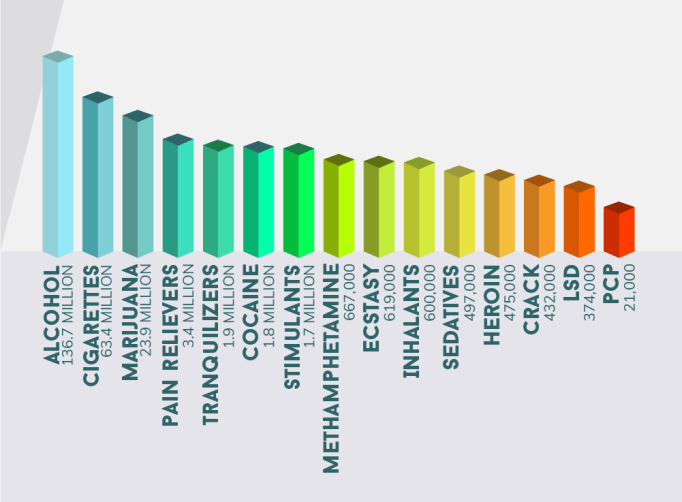
There is no need to regale you as to the extent of drugs in the USA. The “War on Drugs” has been waged on marijuana, heroin, crack, opioids, cocaine, alcohol, meth and now fentanyl. For over a hundred years, some type of drug has been identified as detrimental to the social fabric of the USA. During this time, we have waged this war by banning heroin, banning alcohol, banning pot and recent efforts to decriminalize drugs. Little or nothing has been done to address and attack the underlying cause of drug abuse. What is the reason that people take drugs?
The simple reason that people take drugs, besides the medicinal use, is to escape reality. To escape from a world that is too violent, too scary, too complicated, too isolated, too hurtful, too discriminatory, too racist, too sexist, or too economically difficult to survive in. Chris Hedges recently wrote that:
“Tens of millions of Americans, cast adrift by deindustrialization, understand that their lives will not improve, nor will the lives of their children.” The United States of Paralysis, April 23, 2023

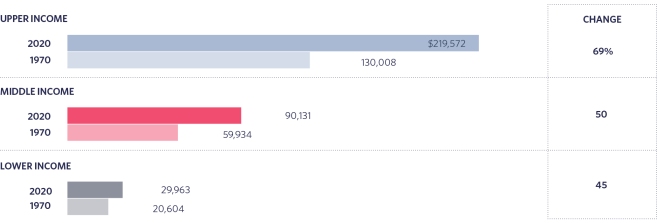
America is divided into three countries. One country for people with money and social support systems. This is a country for the rich and connected. A second country for people with subsistence incomes that are fragile and who have weak support systems. The third country is an ‘In-between country” which was once called the “middle class” but over the past fifty or so years, has seen a notable decline. Many of the people in this third country are barely getting by.
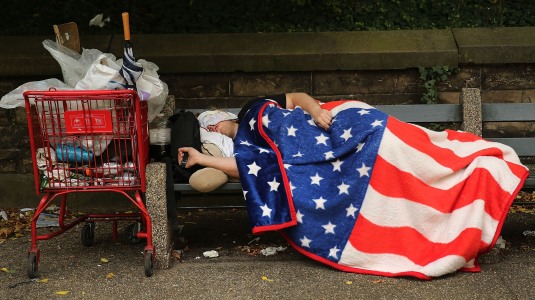
Men and women who were once able to support a family of four or five could no longer count on work that would put them above the poverty level. Many of these people lived in rural areas of the USA where economic opportunities were less available. So, what did America do for these dispossessed and cast out workers? Nothing! No financial help. No serious retraining efforts. No major jobs programs. No efforts to curtail the outflow of American businesses to low-wage countries. Simply graphs and charts showing how much more they could earn if they graduated college. Did you ever hear of a college program for blue-collar workers?

From 2000 to 2015, I taught in three universities in Minnesota. I repeatedly said that 1/2 of the students I saw should not have been in college. Either because they were lost in terms of career goals or because they did not have the academic ability to fit into college as it is now structured. During this time, high school counselors kept sending graduates to universities regardless of the fit between the student and the college. Colleges kept admitting these students because more students meant more money for the college. We have now come to realize the mistake that we made in shutting down alternatives to college. Millions of students are now getting college degrees that are useless in terms of providing a decent income. Furthermore, these students will end up saddled with thousands of dollars of debt that they may never be able to pay off.

Adding insult to injury is the loss of work that provides for the infrastructure of America. Carpenters, welders, plumbers, painters, landscape workers and truck drivers are in short supply all over the USA. Manufactured products may take weeks to order or be backordered for months. I waited 3 months to get a “molded lead frame” for my F-150 pickup. Many of the products that we need are now manufactured in other countries. While I still support the basic idea of a global interconnected economy, I do not support a program that has little or no planning or contingencies for the predictable shortcomings of such an economy. It is inevitable that robots and Artificial Intelligence will displace many more workers. However, it will be a tragedy of epic proportions if we ignore the social consequences of this displacement. The resulting societal disintegration will be on a far greater scale than that which resulted from the lack of planning for Globalization.
Where do drugs come in? Misery, loneliness, depression, fear, and hopelessness are the root causes of drug addiction. Eliminate the causes of these feelings and you eliminate the need for drugs. Can we eliminate these “feelings?” Some of them will always be with us but when we have a situation where over 100,000 people in the USA died from drug overdoses in 2022, we have a situation with a cause that is universal. It is not a personal problem or a mental health problem. It is a societal problem.
“Rahul Gupta, Director of the White House Office of National Drug Control Policy (ONDCP), issued the following statement regarding the CDC’s release of provisional drug overdose death data, which show 107,477 predicted overdose deaths in the 12-month period ending in August 2022.” – CDC Drug Overdose Data
Those who want to ignore the root causes seem ready just as they are with our gun problem to blame the individual and ignore the common causes of the problem. Problems that have their roots in our society. Dr. Deming said that “If you put a good person in a bad system, the system will win every time.” We cannot solve the problem of drugs by sending armies to Mexico or increasing penalties of drug dealers or decriminalizing drugs. Decriminalizing drugs is a good first step, but it is only a first step.
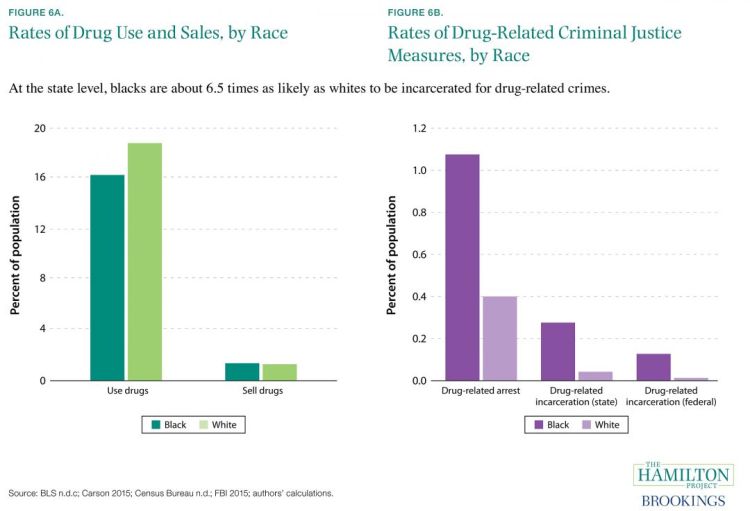
Our politicians are blind when it comes to dealing with America’s Drug Problem. Our “War on Drugs” is a farce. We are no more successful at stopping drugs today than we were in 1900. We trade one drug for another. The solution lies somewhat in government. We need politicians who are astute enough and smart enough to understand the real problems. They must be able to put aside myths and fallacies pertaining to drugs and set up social programs that help people instead of penalize people.

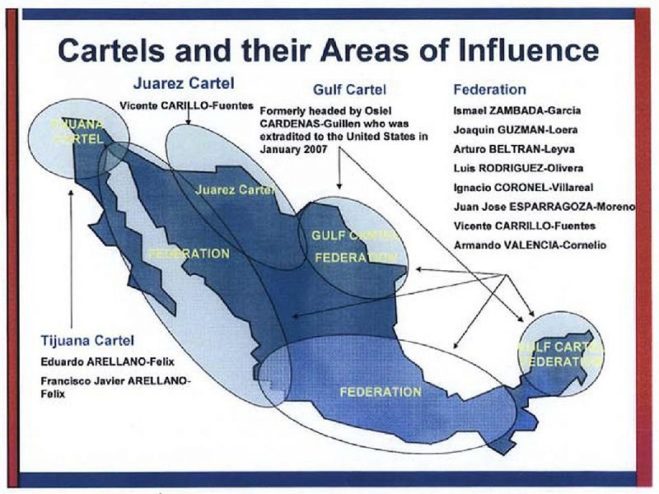
We do not need more penalties for drug possession. We need leaders who really care about their citizens. Instead, we have politicians who only care about getting your vote. We need leaders who are compassionate and not vengeful. We will not solve the drug problem in our country by invading Mexico. If you have a buyer for something, you will have a seller. Destroying the cartels in Mexico will only transfer the drug production to another country.
As corny as it might sound, only love will solve the drug problem.
“Love others as much as you love yourself” — Matthew 22:37-40, Christianity
“Never will you attain the good until you spend [in the way of Allah] from that which you love. And whatever you spend – indeed, Allah is Knowing of it” — Quran 3:92, Islam
“The one who loves all intensely begins perceiving in all living beings a part of himself.” — Yajurveda, Hinduism
“Love is a gift of one’s inner most soul to another so both can be whole.” — Buddha, Buddhism
“Love your neighbor as yourself.” — Moses, Leviticus 19:18, Judaism
“Deal ye one with another with the utmost love and harmony, with friendliness and fellowship . . . This goal excelleth every other goal, and this aspiration is the monarch of all aspirations.” — Bahá’u’lláh, Gleanings from the Writings of Bahá’u’lláh, Baha’i

We need to extend love to people who are outcasts. People who are disenfranchised by a ruthless capitalist system that values money more than people. We don’t need lectures for these people. We need help for them. Help that shows they are not forgotten. Help that shows they are not looked down on. Help that shows they are valued human beings. Help that will enable them to contribute to society. Help that is grounded in love and not retribution.
If you think that we can kill our way to a drug free culture or that we will eliminate drugs by killing all the cartel leaders, you are part of the delusion that grips American drug policy. What will it take to erase this delusion and start seeing the problem for what it really is?
A lack of love and compassion for the underdogs in our society.
Next week my blog will deal with the fundamental problems in our educational systems and what we can do about them.

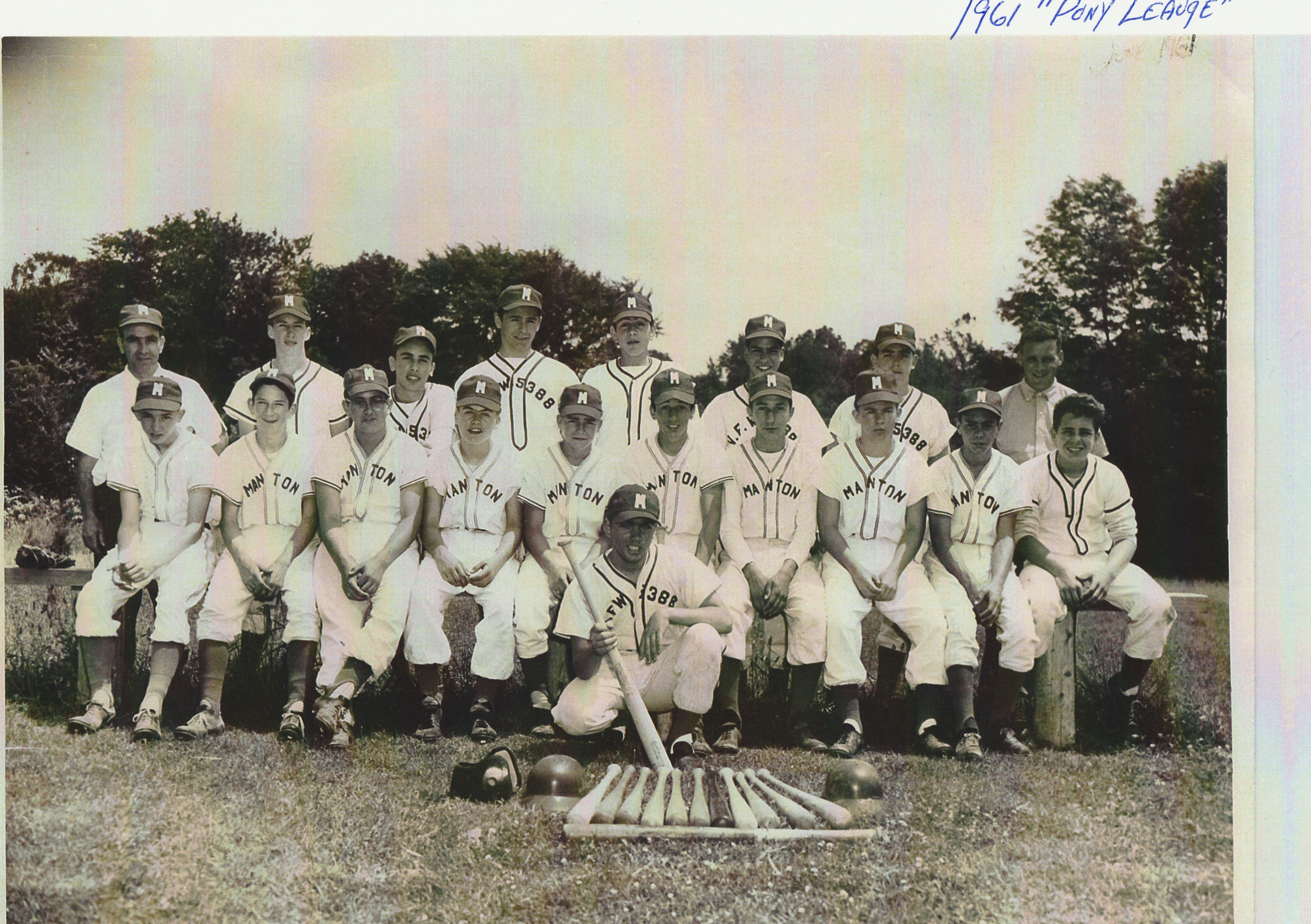
 1963 Johnston High School State Baseball Champions

 As with any of the constitutional amendments there is a certain, indeed I would say “high” degree of ambiguity as to the limits of what the Founding Fathers meant by their words. We know for instance that they did not mean that you could slander or libel anyone with your words. We know that they did not mean that you could yell “fire” in a crowded theater. We also know that there are many instances of what the Founding Fathers did not have a clue would become an interpretation for “Free Speech.” For instance, the Citizens United decision by the US Supreme Court says that the right to make political contributions is a form of free speech. This will probably go down in history as one of the most egregious interpretations of what the Founding Fathers meant. The only interpretations that seem more egregious concern several earlier court decisions regarding slavery and the buying and selling of human beings.
 Recently, I read of the case of an eleven-year-old convicted of killing his stepmother. His appeal took three and a half years to come to court and then found him not guilty. On the other hand, Kari Lake, the big lie advocate and loser in the Arizona Governor’s race this past year had appeal after appeal and each one seemed to take less than two or three weeks. It takes three and a half years to get justice for an eleven-year-old wrongly convicted of murder, but Lake got trial after trial for her baseless and politically motivated claims that they “stole” the election from her. This same scenario has played out repeatedly in the past few years. Poor people with no money wait years to get a “fair hearing” while rich bottom feeders like Lake walk in and out of court on an almost daily basis.





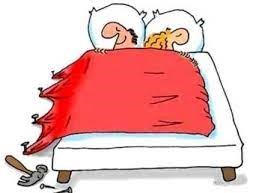
 It was so obvious; I do not know why I did not realize it before. She is the Landlord of the Bed! She is the Lord and High Ruler of all the States and both Regions of our bed. I want no responsibility for it. I only want my rights. Like most Americans today, I want my rights, but I don’t want any responsibilities. If the covers and blankets all end up on my side of the bed, it is not my fault. It is all Karen’s fault. She should be the only one to blame. A good landlord is responsible for making sure that their tenants are comfortable and that the facilities are in good working order.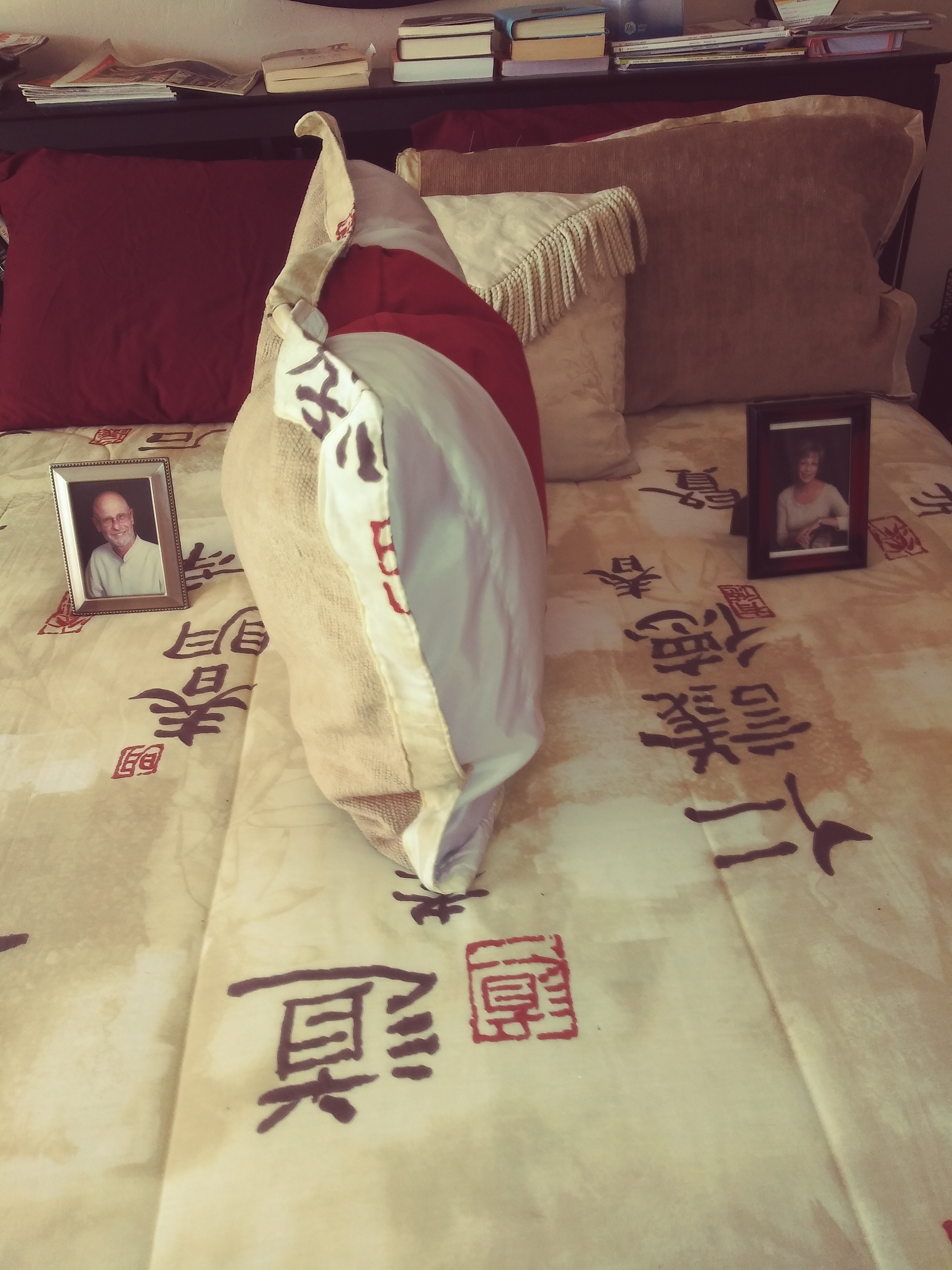
 Do you suffer from Seriosity? Websters On-Line Dictionary defines Seriosity as “The quality or state of being serious.” It further states that the first identified use of the word was in 1505 CE. Symptoms identifying a person suffering from Seriosity include: earnestness, graveness, sedateness, soberness, solemness, and staidness. “For instance, John was no fun to be around. He was always so serious about everything.” Psychologists identified his condition as Seriosity. ICD 10 Lists the Code for this condition as 777-398-1234. The DSM-5 (The Diagnostic and Statistical Manual of Mental Disorders) published by the American Psychiatric Association (APA) notes in its discussion of Seriosity the following:
 A serious person will look at death and wonder why life is so serious. An unserious person will look at death and wonder why life is so funny. A serious person will look at the inequalities of human existence and wonder how God could have been so flawed in his design capabilities. An unserious person will look at Bruegel’s the “Triumph of Death” and wonder whether it is time for supper.
 It is now many years later. I would not exactly describe myself as the “life of the party.” I am much more interested in why people waste time at parties anyway. Drinking and talking with people you probably will never see again does not seem like a good use of time. In all seriousness, being too serious can seriously hurt your social life and even your sex life. Who wants to be around someone who is doom and gloom all day long. Day after day, never seeing the bright sunshine that lurks just behind those damn rain clouds. Not appreciating that one day, everything that you think is really and truly wrong with the world, may just be proven right in the future. Serious people need to look to the future more with a serious amount of faith and hope.

 Aging Capriciously