There is a lot to be appreciative for in this category. Sadly, too many people ignore or take these elements of life for granted. Many people confuse good health with the health that they are born with. Nature gives us a health plan when we are born. Some of us get a better plan than others. Fortunately, happiness and success are not totally dependent on the plan we are born with. There is a large category of mental health which I am not going to talk about. It is important to recognize though that mental health and physical health while no doubt correlate to some degree are not perfectly correlated. There are many instances of people with major disabilities who are quite happy and quite successful. The element of mental health and mental fitness are essential to overall happiness regardless of your physical conditioning.
Physical fitness or PHY ED classes are remembered by most former students as either something they tolerated or something they hated when they are were in high school. The lessons if any that they learned in GYM classes were promptly forgotten when they left high school. Those that excelled in sports and loved the extracurricular sports confuse sports with fitness. I have met many former athletes who played football, soccer, baseball, or basketball and thought that was enough to be fit.
There is a great deal more to being fit than simply exercising or playing sports. If you look at the people around you today, you will see a nation of unfit people. Years ago, the obese person in your high school was a minority. Today, they are a majority. Walk down most any street in America and you will see a nation of fat and overweight people.
When I taught college, I would see entering freshmen coming in many of whom would have met health guidelines for weight. Four years later, these same students had joined the ranks of obese Americans. All too many had no fitness plan. High school never gave them a fitness plan and neither did college.
But I want this blog to be about appreciation and not about how to do a health program. If you need a fitness plan, you can search my blogs and find a great deal of information about starting such a plan. Today, lets look at the fun and value in each of the six major elements of physical health.
I have put together a model based on my experience that includes six elements I think are essential to overall physical fitness. These include: Stamina, Strength, Balance, Flexibility, Nutrition and Weight Control. Each of these elements are interdependent with the other five elements but each are unique in many ways. I think there is great joy and fun in all six of them and I want to share some of my appreciation of each with you. Let’s start with stamina.
Stamina
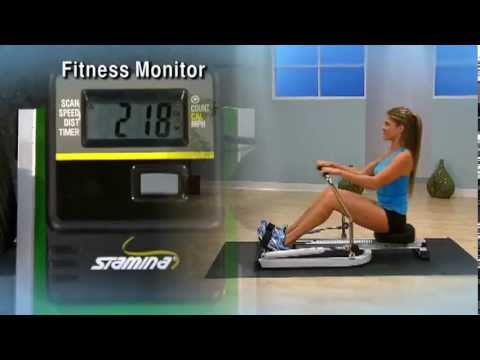
Instead of talking about Cardio or Cardiovascular activities, I chose to call this group Stamina. Stamina activities build endurance and also build a strong heart and vascular system. People can be overweight and still have good stamina. I was in a bike race and I looked over my competition. It was my first race, and I selected a few guys with muscles on their legs that looked like basketballs. I was sure one of them would take first place. Two hours later, the winner was this skinny kid from the University of Connecticut who looked like he could not punch his way out of a paper bag.
Activities like running, swimming, biking, skiing, roller blading, ice skating, all build stamina. Experts call them aerobic activities as opposed to anaerobic activities. I have met many overweight men who see me running and say, “I wish I could run but I blew my knee out playing football in high school.” I want to say “Bullshit. There are many other stamina activities that put less stress on the knees, and you could use to get in shape.” The truth of the matter is that most of these guys would rather sit on the couch and watch football than get out and exercise. Walking is a great stamina activity, and you can walk with extra knee support and it will improve your conditioning without doing more damage to your knees.
You can and should appreciate the range and variety of stamina activities that have been developed and that are available today. They offer variety and fun and surely beat sitting on your couch remembering the “good old days.”

Flexibility
Can you touch your toes? Can you manage a day without your back aching? Do you get aches and pains whenever you do any physical activity? Over the years, I have noticed when going to the gym or involved in some sports that men gravitate towards weights while women gravitate towards flexibility exercises. Karen and I started doing Yoga about 25 years ago and we do it together about 2 or three times per week. Most of the Yoga instructors are women. We use Yoga tapes that are on DVD or now on Amazon Prime. It is rather sad that many men think flexibility training is something for women and that “real” men lift weights. The two are not mutually exclusive and in fact, the two are essential. They have a Yin and Yang relationship.
I can’t say that I ever liked stretching. After thirty years of doing Yoga, I am still not much more flexible than I was when I was forty. I would rather lift weights and I can see more progress when I do. I have been running for nearly 45 years now. About 25 years ago, I started developing back problems. Back aches, back pain and back spasms would hit me at the oddest times. I did not see the relationship between tight hamstrings and low back pain. I finally made the connection and started doing Yoga.
For the past ten years of so, I have seldom had any back problems. I can’t do many of the Yoga postures like the instructors. I often wonder if my muscles could ever be that flexible. I don’t know the answers to these questions, but both Karen and I will swear that Yoga has helped us over the years to avoid back, hip, knee, and shoulder surgery. If you look at the list of surgeries, these are epidemic today. The medical profession makes more money doing surgery than referring people to Yoga classes.
I appreciate Yoga and I am thankful that there are so many great teachers who will put their classes out on Amazon, YouTube, or other media. Yoga is actually fun if you don’t try to imitate your instructor or compete with your spouse.

Strength
Lift that bag! Tote that bale! Pick up that grandkid! Strength looks like big muscles to many people. Everyone wants a six pack abs, bulging biceps and great triceps. The funny thing is that I have seen many really strong people who don’t fit the stereotype. There are different types of strength training. Years ago I would focus on power training to build large muscles and lift large weights. Now Karen and I use small dumbbells and focus on endurance training by doing higher reps with lower weights. I don’t need to pick up a 100 lb. bag of cement. I will leave that to the people that are twenty or thirty years old. But there are days when I will need to do some yard or garden work and the ability to shovel a ton of dirt, or more is very much appreciated.
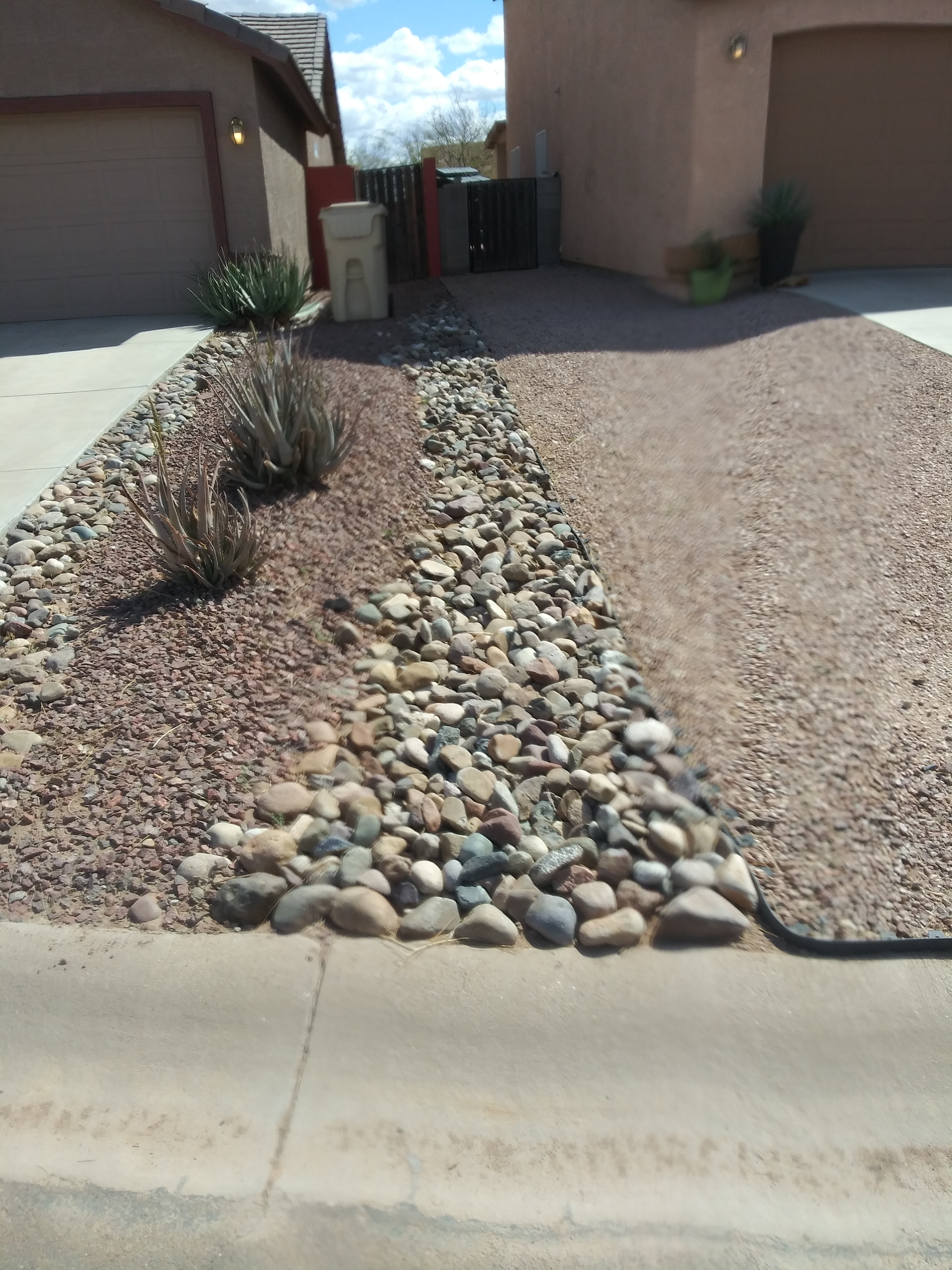 Just a few weeks ago, I put a new rock river in our home here. I had a yard or about 1600 lbs. of river rock loaded into my pickup truck. I got home with it and used a large Home Depot red bucket to scoop the rock up and put the river rock down. It took me about two hours of steady work, but I had no aches or pains the next day. I was quite surprised, and I give credit to one of our strength trainers that we use a lot. Her name is Cindy, and we purchased her DVD on Amazon.

Balance
Balance is probably not something that you think about or much appreciate when you are young. You take your balance for granted. As you age, balance becomes more salient in your life. More and more experts are telling elderly people that balance is essential to preventing falls and broken bones. Karen and I added some balance DVDs to our exercise regimen a few years ago. I thought at first that these “silly” exercises would be easy. I run four or five times a week on rugged mountain trails, “What do I need balance exercises for?” Then the instructor said, “If this is too easy, try doing it with your eyes closed.” I closed my eyes and fell into my wife. I still have not been able to do many of these exercises with my eyes closed.
I have noticed that some of our friends have had bad falls resulting in broken bones. The older you get, the longer it takes for anything to heal. I have had three falls so far this year since returning to Arizona and running the mountain trails. I thank both my flexibility training and balance training with preventing any serious injuries when I fell. The most I have received has been some scrapes and minor bruising. As the years go by, we will focus more on balance training. It may look silly, but it is another one of those elements that have improved our lives and that we can be appreciative for.

Weight Control
Do you like McDonald’s fries, fish sandwiches, or biscuit with sausage, egg, and cheese? Do you enjoy Olive Garden’s Lasagna? Do you go to the Golden Corrals’ breakfast buffet or do you prefer the Saturday night fish buffet at your local casino? Do you expect me to tell you that these are all high fat options and that you should eliminate them from your diet? Are you waiting for me to tell you that a garden salad full of greens and tomatoes is a much better option? If so, you will have a long wait. I love all of the aforementioned.
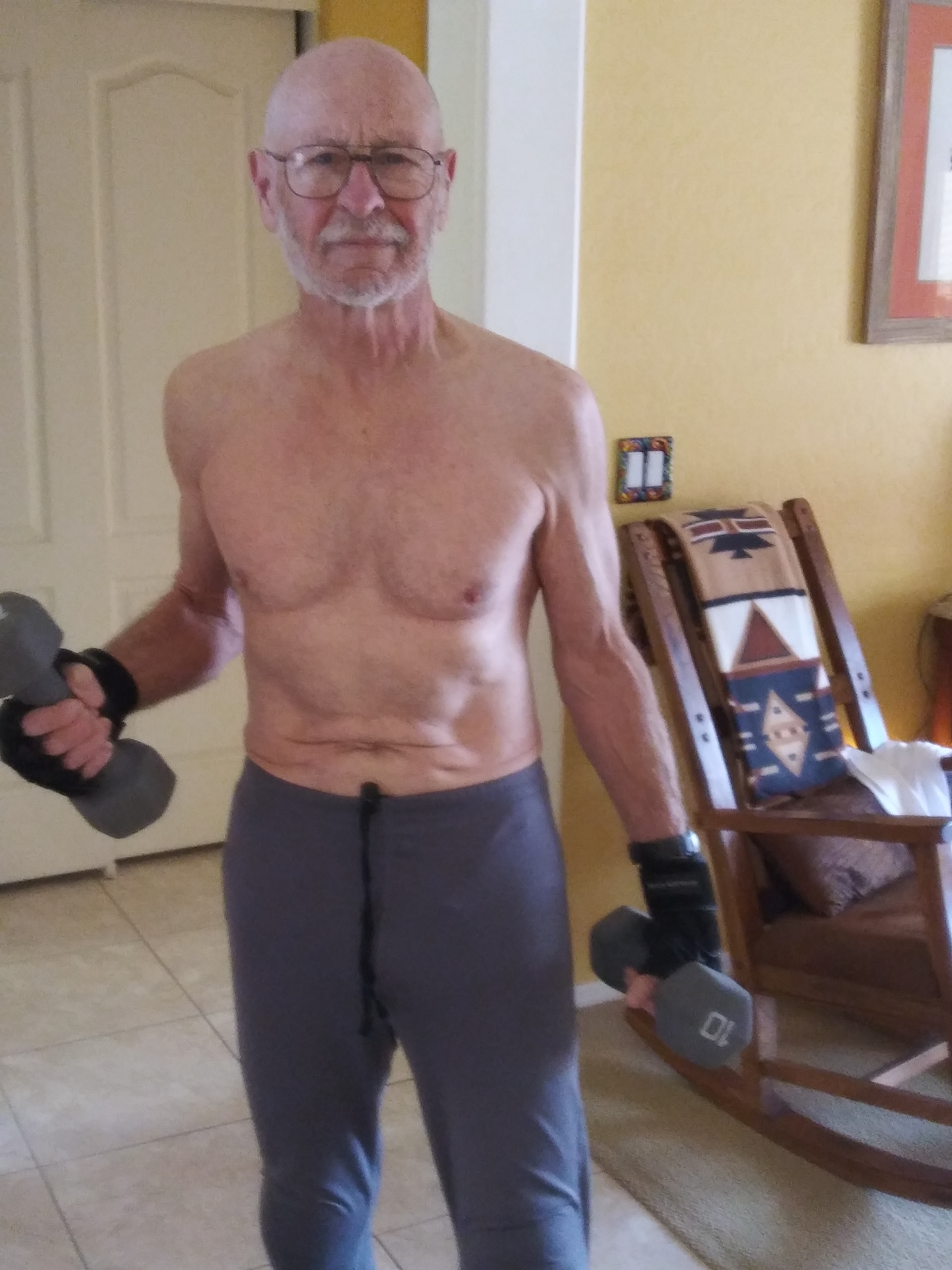 I now weigh 139 lbs. and am 5’ 7” inches tall. You might think that my running and exercise is what keeps me thin. OF course, exercise helps but let me tell you a secret. If I run for 60 minutes, which is an exceptionally long run for me, I will burn up maybe 600 calories. A McDonald’s Sausage, Egg and Cheese McGriddle is equal to 550 calories. A large fries at McDonalds is 490 calories. I can go through a buffet at Ak-Chin’s Casino and on my third trip to the buffet will easily have eaten enough calories for three runs in the mountains. I can get an apple fritter at the Circle K after my run, and it will give me back 450 to 600 of the calories that I have just spent an hour or so losing. I can eat a McDonald’s sandwich in about ten minutes and the apple fritter in less than five. Here is John’s Law: “You cannot exercise off more calories than you can eat.”
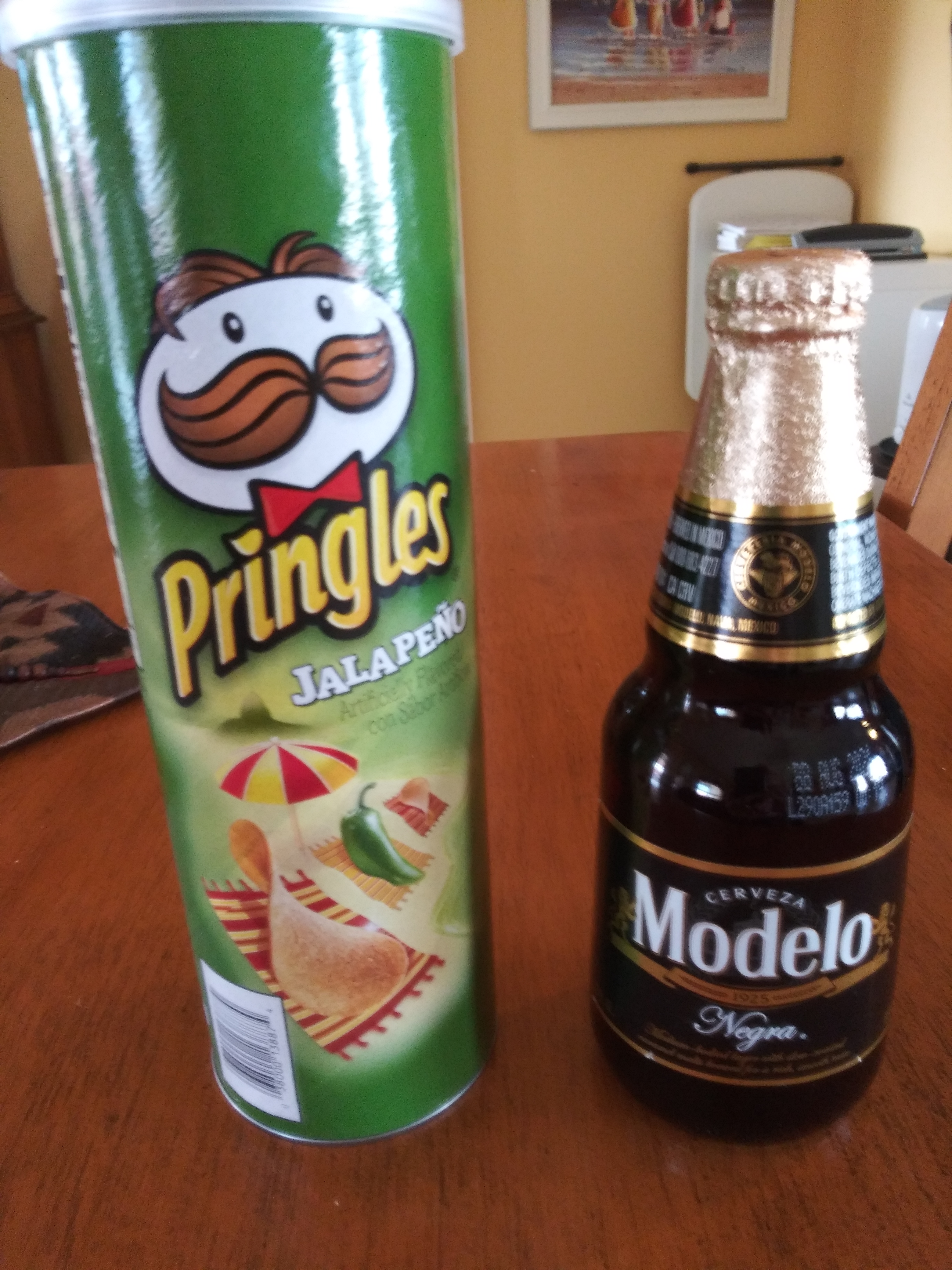
Weight control is essential to good health. A host of health problems are associated with obesity and being overweight. We live in a society of food abundance and higher than ever before calories per item in the supermarket. The supermarket should be called “The fat Market” because of the high calories food you will find there. A standard box of Pringles holds 900 calories. If I wash that down with a Modelo beer, I will have just consumed 1100 of my daily allotment of 1800 calories. You want to know another secret? In two hours I will be hungry again. My wife made me a Mexican cheesecake the other day. Ninety grams for a standard size piece of this cheesecake gives me almost 450 calories but “Oh, is it delicious.”
 Weight control is not about good nutrition. It is about balancing the calories that you get in with the calories that you put out. You can get 2000 calories of good food or you can get 2000 calories a day of bad food. You can drink yourself to death by consuming a bottle of alcohol a day. You can eat fatty foods that will give you high blood pressure and high cholesterol and increase your chances of a heart attack. Foods that they say are “bad for you” are also foods that we enjoy eating.
I started off by saying that I would not tell you to avoid certain foods. That is still true. What I will tell you is that you will enjoy these foods even more if you eat them in moderation. Rosie Greer the famous football player had to watch his weight. He loved ice cream sundaes. He did not give them up, but he would make a mini-ice cream sundae with a fifth of the calories of a full ice-cream sundae. I often use the “Rosie Greer” strategy in my eating. Instead of eating a large amount of something, I will dish out a smaller plate and put the rest away and out of temptation.
 Two items are excellent for weight control. One is a health scale. This is more than just a scale that tells you your weight. Mine tells me such things as muscle percentage, bone density, body fat and BMI. I put these down in a log and every few months or so, I add the updated information to my log. This way I can track how I am doing over time. You can purchase a good scale for about fifty dollars.
The second essential item is a food scale. Karen and I keep one on our counter and use it at dinner to weigh out our portions. It is easy to eat a sixteen-ounce steak. Instead after weighing it out, we might only eat six ounces and save the rest for a second dinner. Looking at how much we are putting on our plate helps us deal with the number of calories we are putting in. We lose it when we go for third helpings at the casino, but our casino trips are much less frequent than our dinners at home. If it were the other way around, I would probably weigh 1000 lbs. Last Sunday we went to the Angry Crab Shack in Phoenix for lunch. We had a two hour wait and missed lunch but had dinner. When I came home, I calculated that my one meal there with two beers, fried oysters and soft-shelled crabs on a po’boy sandwich was over 1700 calories and I took ½ of my sandwich home. Nevertheless, it tasted mighty good.
Nutrition
Nutrition and weight control are another balancing act or Yin Yang relationship. I mentioned above that all things in moderation is a good strategy for eating but good nutrition should also be on your scheme of things. It is important to eat food that provides a balanced diet with the right amount of fats, carbs, protein, vitamins, and minerals. It is much easier to do this with fresh foods. The world is full of “diet” plans and most of them seem designed to sell you some book or program. There is plenty of good information freely available on what constitutes healthy nutrition.
You do not have to be a nutritionist or doctor to form a plan for good nutrition. I have heard it said that being poor leads to lower nutrition and higher fat and sugar intakes. I have also heard it said that a mobile society has no time to prepare healthy foods from scratch. I do not believe that either of these two constraints cannot be overcome. Both Karen and I have worked all of our married lives with two full-time jobs and now two part-time jobs. Both of us are very frugal and look for bargains at the grocery store. We minimize the number of high-priced cuts of meat or fish that we purchase and do the same with vegetables. If I can get Mexican squash for ninety-nine cents a pound, I will purchase that over asparagus that sells for 4.99 a bunch. We will purchase chicken at 1.39 a pound with bone in rather than 3.99 chicken filets. We will seldom buy frozen pre-cooked foods.
Here are some of my simple principles for good nutrition.
- Learn the difference between healthy and unhealthy foods.
- Look for healthy foods in the grocery store that are bargains.
- Some grocery stores are more expensive for some things than others, explore your local stores to find the best deals.
- Measure your portions to your desired weight.
- Don’t buy “junk” food except in moderation. Think of it as a special treat.
- Always eat leftovers. Use first in first out to eat leftovers before they spoil.
- Cook meals that will last a few days in the refrigerator. Such meals as
- Crock pot pork roast
- Chicken soup
- Turkey stew
- Chili
- Fried rice
- Freeze any leftovers before they go bad. Use a marker to put title and date on the container.
I love eating. It is one of my greatest appreciations of life. I love eating exotic or interesting foods. I love trying new restaurants. Food is more than just a way to live. Food brings us companionship and adventure. New places to visit and new tastes to acquire. Eating a balanced healthy diet should be thought of as a challenge. Life seldom offers us as many challenges that are as important to living as eating.
“Eating is not merely a material pleasure. Eating well gives a spectacular joy to life and contributes immensely to goodwill and happy companionship. It is of great importance to the morale.” — Elsa Schiaparelli


 There are beauty products, breast enhancements, hair implants, plastic surgery, expensive cars, perfume, jewelry, large homes, designer clothes, college degrees and many other products or services designed to help you feel less inadequate and more adequate. We all want to feel adequate which means we must somehow learn to escape or jettison our inadequacy paradigms. The marketplace strategy involves spending huge amounts of money on a regular basis to escape the “inadequacy paradigm.” This…

 About twenty years ago, I was sitting in a coffee shop in Stillwater, Minnesota when a scruffy lanky tall guy walked in. I had been involved in several motorcycle clubs during this time in my life and I thought that I recognized him from one of the clubs. I got up and walked over to him. I asked if we knew each other. I then asked if he belonged to any local bike clubs? He replied somewhat curtly that he did not know me and that he did not belong to any bike clubs in the area.

 We shop till we drop. We invoke our privilege to use our money as we want to. We make holidays out of holy days where we spend our time hunting for bargains and sales. Greed has now become a sacrament. Greed is no longer evil. Greed is holy. Greed is the American Way of Life. Millions of Americans adore the wealthy. The story of Lazarus holds no credibility – Luke 16:19-21. Nor does the story of the Rich Fool – Luke 12:13-21. Money is sacred and those who have more are worshipped by Americans and exalted as better people and better leaders. We elect millionaires and billionaires to Congress and even the Presidency on the sole basis of their acumen at having stored up wealth.






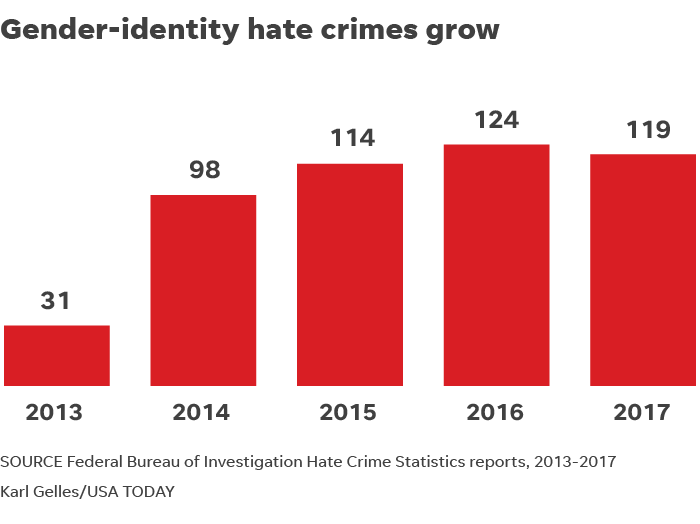
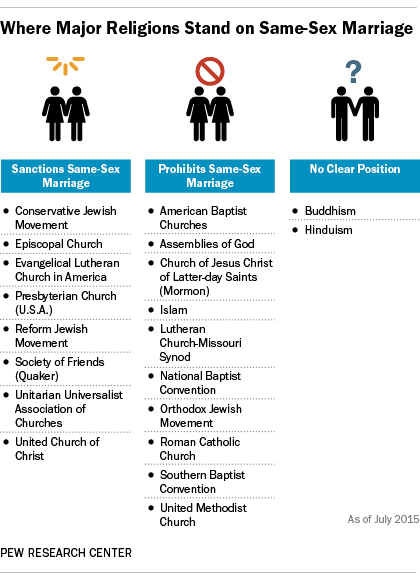
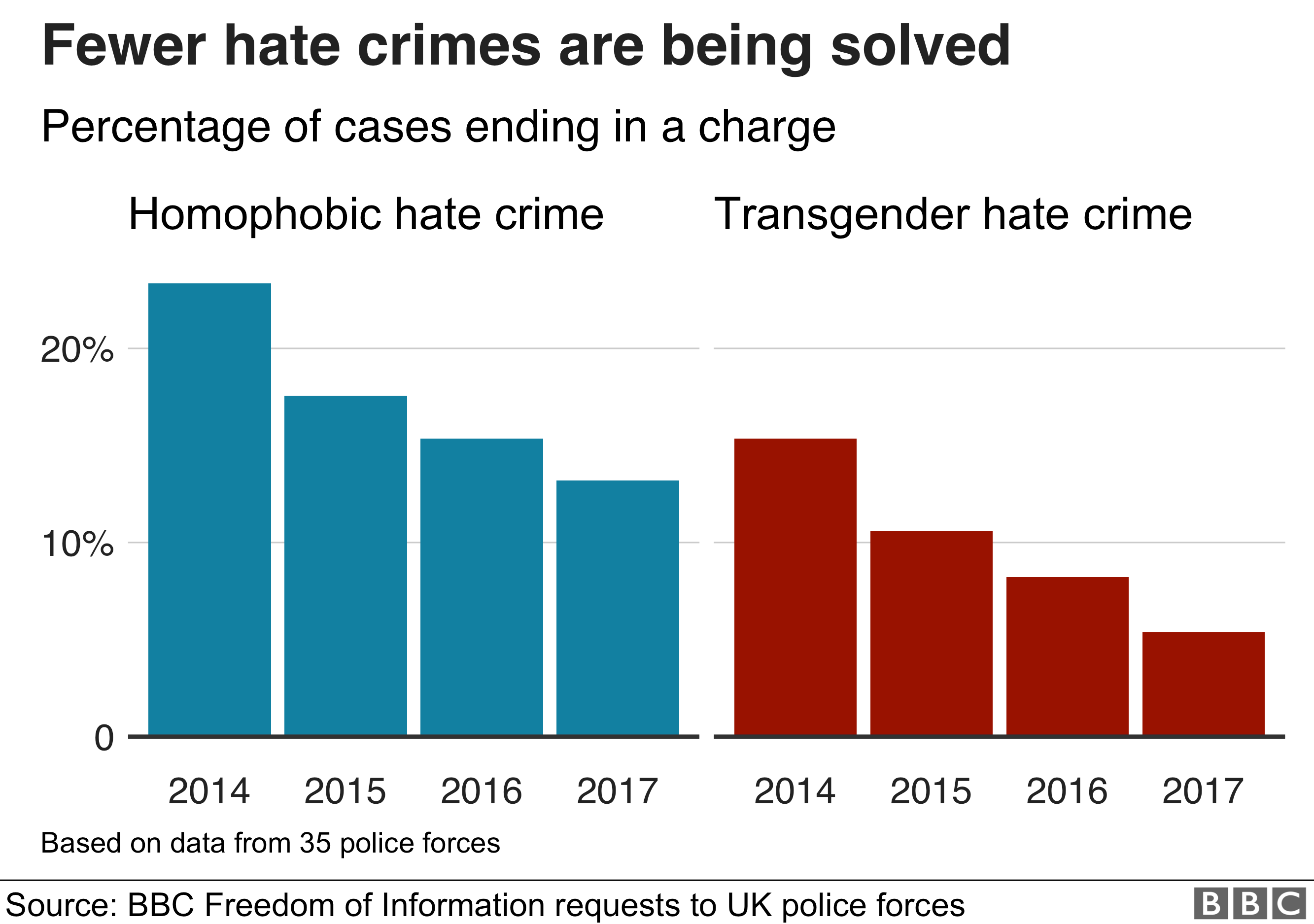
 At one of our mixed support group meetings, a gay man from our group challenged the rest of us, mostly the straight men to go out to a gay bar. A popular one was the Gay Nineties on Hennepin Avenue in Minneapolis. We accepted the challenge and decided that after our next support group meeting, we would all (straight and gay men) go to the Gay Nineties for a drink.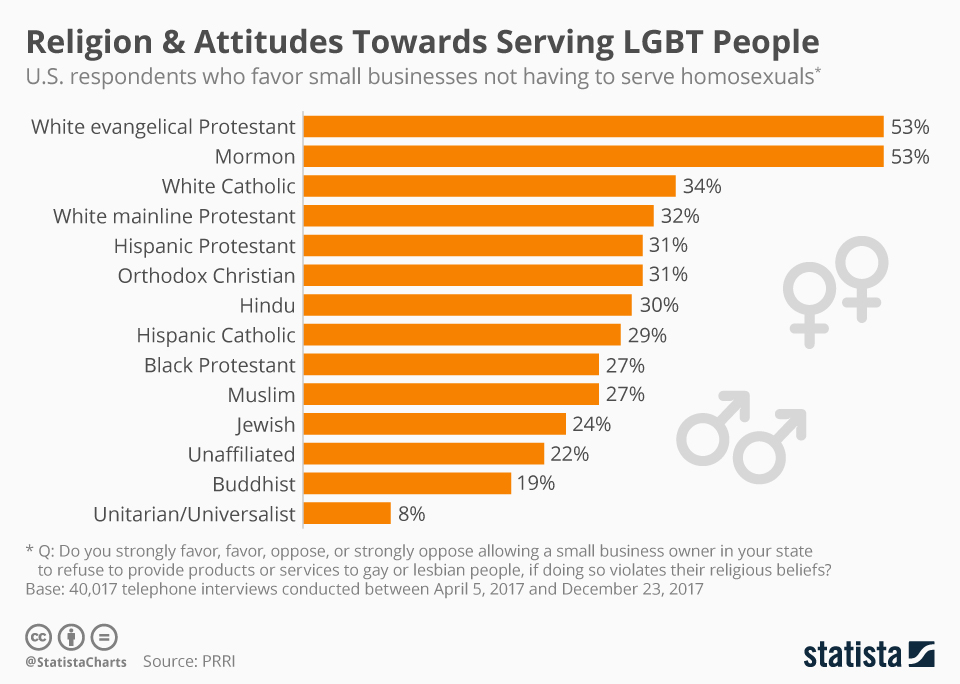


 `I mean, what IS an un-birthday present?’
 Do you see? If everyday is a possible un-birthday except your birthday, you may celebrate an un-birthday every day and get presents every day in addition to your birthday. Anything that is not “American” which I will assume includes: Mom, God, and Apple Pie, can be construed as “Un-American.” If you are out to condemn or harass people, it becomes an open-ended warrant to attack anyone who exhibits traits other than a belief in Mom, God, and Apple Pie. You have a 365-day open house to attack anyone in the USA who exhibits a philosophy contrary to what might be termed “Patriotic.” I find this rather scary since I don’ believe in God. I don’t like apple pie and I thought my mother’s cooking was terrible. My list of “Un-American” traits would take up several pages but I suppose I would be condemned simply on the basis of rejecting these wonderful characteristics of Americanism. By the way, I don’t like baseball, golf, football, basketball, or bowling.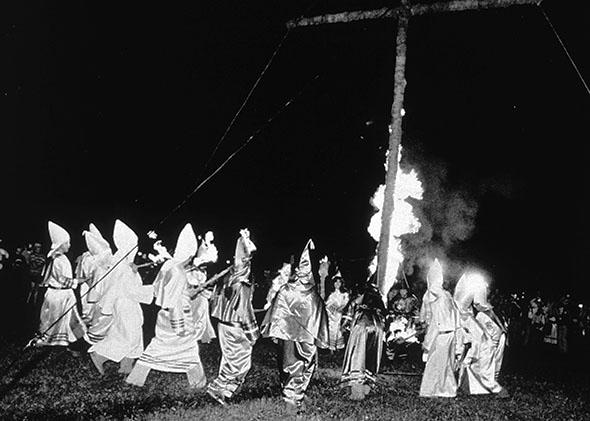


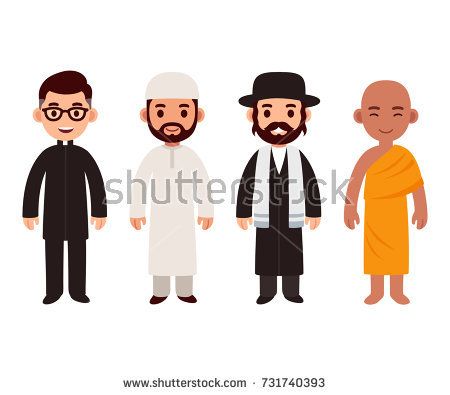 A Rabbi, Iman, Pastor and Buddhist Priest were all discussing the issue of peace in the world and in particular peace in the Mideast. The Rabbi said there could only be peace in the Mideast if all the Muslims left. The Iman said that there could only be peace if all the Jews left. The Pastor jumped into the argument and said there would only be peace if all the non-Christians left. The Buddhist cleared his throat to interrupt the argument and said, “There will never be peace anywhere as long as there are Muslims, Jews, Protestants, Catholics and even Buddhists in the world.”
 The peaceful person does not use violence against others. The peaceful person is a diplomat who solves problems with his/her brain and not with tools of aggression. The peaceful person is confident because they have integrity. The peaceful person has serenity because they have no fear. Fear is the enemy of peace. When the world is on red-alert, people live in fear. People become fearful of others and fearful of living. Racism, sexism, discrimination, greed, and militarism create fear. With fear, no one can be at peace.
  We should all be grateful for peace. This means we need to appreciate peace and understand that it cannot be taken for granted. Peace is up to us to create. It is too important to leave to religious leaders and politicians. If we want peace in our lives and peace in the world, we must create it. There can never be peace for anyone if there is not peace for everyone.
 Well, you are probably thinking, “You can’t always pick your relatives, but you can always pick your friends.” This is absolutely true, but how many people do you know that have lifelong friends that they can trust and rely on in an emergency? I could start a long list of friends that I have left behind over the years for one reason or another. I have ex-friends who became rabid Trump supporters whom I said goodbye to. I have ex-friends who said goodbye to me, and I never knew why. I just did not hear from them anymore. I have other ex-friends who I could no longer relate to for one reason or another. Friends seem to me to be like annual flowers. They pop up for a while and then they fade away. I have five good friends left. I would have more, but some died early and one committed suicide.
 have put the bad and the ugly out first so that you would not simply hear a chorus of how wonderful friends and relatives are. The truth of the matter is that as in most of life, you often have to take the bad with the good.


 Friendships based on utility derive some perceived benefits from each other. Perhaps helping each other with building or fixing things. Friendships based on pleasure derive fun or shared activities together. Friends who canoe or ski or golf together. Friendships based on virtue derive mutual benefit from pursuing shared values and goals. Friends who work together for a common good. According to Aristotle, friendships based on pleasure and utility tend to be shorter than friendships based on virtue or goodness because needs and pleasures often change over time. Our values in life are less transient and more permanent. Friends who share your same values will be friends for life.
 I have written about friendship several times in my blogs (See my


