Update: Oct 5th, 2023
I wrote the following blog ten years ago. I think it still holds its validity despite the fact that some of the named TV shows are no longer on the air. My general premises remain accurate.
____________________________________________________________________________________________________
I get a lot of strange looks from people when I tell them that I do not have a TV set. Furthermore, I emphasize that I would not watch TV if I did have one. Many people then apologize and tell me that they agree with me and that TV is really bad but that they only watch the “good” stuff. Pause! Inevitably, this reasoning is followed by: “You really should watch: The History Channel, The Discovery Channel or PBS. There are some good shows on these channels.” They generally ignore my explanation that I can catch any “Good Stuff” on the Internet via Netflix On-Demand or even direct at the various channels where I can access archives of previous shows. Thus, I see what I want to see, when I want to see it and without commercials or other idiotic distractions.
Of course, there is the problem that I slowly and inexorably become out of touch with the “mainstream” culture. As new versions of “Survivors, X-Factor, American Idol, Pawn Wars, Game of Thrones, and NCIS come on, I have no clue as to what these shows are about or who stars in them or why I should watch them. I feel like a person born in the 18th century who is suddenly catapulted into the 21st Century. My clothing, concepts, ideas and knowledge of the current zeitgeist marks me as a “Stranger from a strange land.” I am a Stranger in the midst of all these TV viewers with their myriad diaspora of shows each complete with followers, devotees and addicts. God forbid I say anything negative about the Teutuls or Duck Dynasty or Holly Boo Boo or SNL. I must be old or ancient or senile. How could I miss the beauty and aesthetics of these shows? (By the way, I will not include sports shows in this blog, since they merit a topic all by themselves.)
Nevertheless, for hours at a time, I am frequently obliged to watch TV. It happens this way. Karen and I go to visit a relative, friend, daughter etc. We sit down in the living room in front of a MEGA 200 inch TV complete with loudspeakers, amplifiers, megaphones and surround sound. We talk for a few minutes and then the TV gets turned on. In the next three to four hours, we see snippets of over a ZILLION shows. My mind starts to reel from the paucity of knowledge and useless amount of information that is being directed at me from the BOOB tube. I am gracious and do not say anything negative about TV. Fortunately at some point, I am saved. Either it is time for dinner, time to leave or time to go to bed. In either case, my brain is overdue for “time-out” from TV land. The good part of this travail is that I am now current again with 21st century culture. I now know what moves the hoi polloi. I can converse with some degree of discernment on the relative merits of Simon Cowell as a judge versus Kelly Rowland. I can reminisce with those who mourn the death of the Sopranos or Breaking Bad. Furthermore, I have new content with which to write my next 1000 blogs condemning the inanity that I have somehow managed to survive before my brain totally rotted.
What have I learned from watching 21st Century TV? TV today is all about “Manufactured” drama. But you may argue, isn’t most literature and entertainment about drama? Circus acts, war stories, murder mysteries, Shakespeare, opera, cartoons, police stories, sitcoms, sports and almost any other form of entertainment that one can think about all involve drama. How is TV today different from “traditional” drama? Let’s start by looking at the definition of the words we are using here:
Drama:
1: a: a composition in verse or prose intended to portray life or character or to tell a story usually involving conflicts and emotions through action and dialogue and typically designed for theatrical performance.
b: a movie or television production with characteristics (as conflict) of a serious play; broadly : a play, movie, or television production with a serious tone or subject <a police drama>
Manufactured:
1: to make into a product suitable for use
2: a: to make from raw materials by hand or by machinery
b: to produce according to an organized plan and with division of labor
c: prefabricate <a manufactured home>
To get a better idea of what I am talking about, I will use a concrete example. Let’s look at Shakespeare’s Macbeth and compare it to the TV show X-Factor. Macbeth was a story about a fictional King who may have been meant to resemble in part a real Scottish king of bygone times. The play’s main plot involves the desire of Macbeth to become King and the greed and depths of depravity that can bring someone to immoral acts to achieve their goals. The themes are powerful because we can all identify with them. The story is fictional, the lines are made up, and the characters are drawn from Shakespeare’s fertile mind. Nevertheless, nothing seems contrived or artificial about this play. The themes of power and ambition are strong because they resemble many such struggles throughout history. In fact, all of us can imagine wanting something so bad, that we might even consider unethical acts to obtain it. Macbeth becomes an icon for the individual who will sacrifice their morals and ethics for ambition.
X-Factor is a TV “reality” show in which singers and entertainers compete for a chance to win a grand prize. The format has one hundred contestants battling it out for just twenty-four places. Each of four judges gives their favorite contestants one of their six seats. The drama of competition is heightened by having four judges who alternately select and then reject the very people they selected.
The X-Factor producers are forced to create cruel twists to the competition because viewers are becoming immune to sob stories, a psychologist has claimed. Chartered psychologist Dr. Rick Norris believes that program makers have to keep shocking the audience to keep up high viewing figures. http://www.dailymail.co.uk/health/article-2449808/X-Factor-producers-deliberately-creating-cruel-twists-claims-psychologist.html
Watching or reading Macbeth evokes themes of morality, justice, greed, ambition, loyalty and ethics. Watching X-factor evokes themes of contrived, fake, phoney, pseudo, cruel, malicious and obnoxious behavior. Watching Macbeth involves strong emotions wherein I can reflect on the morals that must mitigate behavior and action in the real world. Watching X-Factor, I am appalled by the fake melodrama and artificial behaviors of the judges and contestants. While Macbeth has no claims to be “reality” drama, TV shows like X-Factor seek to portray themselves as real.
The feeling I get from watching most current TV shows can be summed up as “CONTRIVED and PHONY.” Real people don’t behave like TV people do. Real people work 9 to 5 jobs and don’t live on Fantasy Island or spend their days at Pawn Shops. However, real people can be coerced by TV producers to act like “drama queens.” A few examples will illustrate my point. The following is from a graduate thesis: Behind the Scenes: Uncovering the structures and manipulations of Tabloid Talk Show Workers, Guests and Audiences. – By Kelly Thompson Losch Deshotel
The producers have the ability to persuade and intimidate guests into any behavior they feel is beneficial to the program’s ratings. One associate producer (AP) tells the guests that they will be portrayed as cowards if they do not defend themselves during the last segment when the studio audience is given the opportunity to voice opinions or ask questions about the guests on the program. “Get mad, get out there into the audience, they’ll respect you more if you fight back,” this AP exclaims. Directly following the commercial break, the guests jump out of their chairs and dart into the audience after every audience comment.
The next example is from Entertainment News and is about the Survivors. In a question about the “reality” of this show the author states:
We’re not too sure about the “pure” aspect of the show, especially since nothing on Survivor is as real as you want it to be. The contestants are filmed as they walk to Tribal Council along jagged rocks and beautiful oceanic views, but as a matter of fact, the contestants merely walk about 500 meters before they get picked up by a production vehicle with blacked-out windows. The contestants are not allowed to talk during this one hour drive to Tribal Council and if they arrive at the Tribal Council destination before dusk, they have to wait outside of the Tribal Council area until the atmosphere is perfect for filming. Several contestants have complained about this fact in the past and have revealed that the time spent at Tribal Council sometimes stretched into the early hours of the next morning to get all the dialogue pinned down.
With very little research it can be shown that almost all of the drama on TV is “Manufactured.” There is little real about “reality” TV and there is even less about TV that can be said to have any ethical, moral or spiritually redeeming value. TV was becoming a vast wasteland in the sixties and it has continued its march towards degeneracy, vulgarity, and mediocrity with little or no resistance from the vast millions of viewers in TV land. In search of a means of transcending the banality and ordinariness of everyday existence, millions of Americans have become addicted to fake synthetic versions of life that seem to offer something missing in their own lives. Turn on, Tune in and Drop out. Americans have added TV to drugs in their search for an alternate reality. The reality on TV is the reality of dreams while the everyday reality that most TV addicts lead is one of frustration, monotony and boredom.
Get a life. Turn the TV off. Use your imagination.
Time for Questions:
What do I have against TV? Why criticize something that brings so much joy to so many people’s lives? Did a TV fall on me when I was young and forever prejudice me against the BOOB tube? What would happen to America if people spent less time watching TV? What if instead of 36 hours per week that people spent watching TV, they only spent 18? What if we demanded an end to the fake reality that is a daily occurrence on TV? What if TV was more informative and educational and less exploitative and demeaning? How much TV do you want your kids to watch? Do you think most images and characters on TV should be role models for others?
Life is just beginning.


 One day, when the old man was out walking, he saw a woman who had been beaten and thrown into a ditch. Around her neck, was hung a sign which said “Beware, Witch.” Without even a slight hesitation, the old man ran to the ditch to see how he could help the woman. He gave her some water and bread that he had on him for lunch and tried to bind up some of her wounds by ripping up his cloak. She looked at the old man with compassion and said “No one is ever kind to me, but you have been. I have this monkey’s paw that I would like you to have. It will grant you three wishes. However, be careful. Be very careful. Wishes can often result in things that you do not really want.” The woman handed him a gnarled dried up old paw and bidding a farewell, walked on down the road. He put the paw in his pocket and walked on to his home.
 When the old man arrived home, he told his wife what had happened. She immediately asked to see the paw. Upon, looking at it, Marie said “Shall we try it.” The old man laughed and said, “You don’t really believe in such magic, do you?” “What do we have to lose,” said his wife. So they both picked up the paw and together made the following wish: “We wish we had enough money to never have to worry about food or clothes or other necessities for the rest of our lives.” They waited and waited and suddenly both began to laugh. Such foolishness and they were silly enough to think that it might be real.
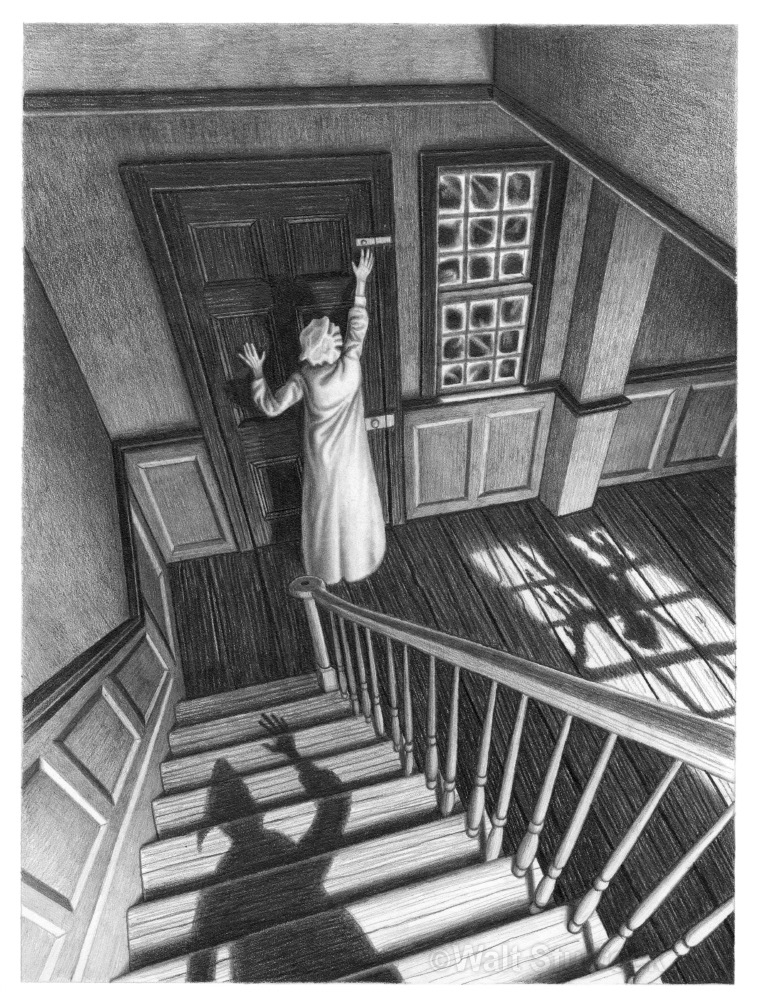 They went to bed feeling sad, miserable, and as unhappy as any two human beings could be. Later that night, they heard a scuffling coming up the path to their door. It sounded like something was being dragged. A knock sounded on their door, but they were both too afraid to move. A voice cried out “Mom, dad, it is Eli your son. I have come back. I am alive.” Almost too happy to describe, they bolted for the door. Upon opening it to let Eli in, they recoiled in horror. Eli did not look human. His skin was in tatters. His legs and arms were mere bones. His face was a skull with bits of skin and dried blood hanging off it. “Let me in, I have come back from the grave. You have summoned me. Let me in.”



 How do you know if you know anything? You have two paths to answer this question. The first path involves your belief that you do know something. You can choose this path if you are fairly certain that you know something. It may surprise you, but this is not a path of science. This is a Faith-Based path. No matter what anyone tells you, science relies on faith almost as much as religion relies on faith.


 The Faith Based Path could lead one to accept that hundreds of systems across America could not all have been wrong and that the tallies were accurate because someone you trust told you they were. If you do not trust the poll counters, you will reject the decisions made by election boards and cling to the idea that Trump was cheated by liars and scoundrels. Either way it is a matter of faith.

 January 1st– the beginning of a New Year. This is the time when many of us will make new resolutions, new dreams, new goals and promises galore. It is a time when we will begin over and try to make wishes come true that did not work out the year before. We bring in the New Year as a mother brings in a newborn baby, full of promise and youth. There are those critics and skeptics who look at the inevitable human trail of broken dreams and unfulfilled goals from bygone years and laugh at our efforts. Such people deny the possibility of hope and change. I may often be a pessimist but for any of you with the courage to tackle a new set of goals or dreams, I say “try, try, and try again.”

 required be different? Could children hear the same frequencies as rats?
 seem like there was any long-term strategic plan here.



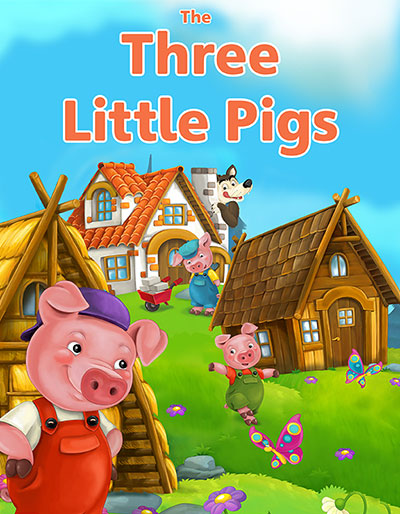 If you think about the ideas or premises or nostrums that guide your life, you will soon notice that we have many ideas that along our journey we have adopted. The sources of these ideas are vast. Fairy tales and children’s stories give us ideas such as “A stitch in time saves nine” or the “The race does not always go to the swift” or “Those who do not plan ahead may starve in the winter.” Many of our ideas about living no come from our parents and family. My mother used to say such things as “Ignorance is bliss” and “If you give them enough rope, they will hang themselves.” My father was fond of saying “Believe nothing of what you hear and only half of what you see.” He also used to like to say, “You have nothing to fear from the dead, only the living.” These two later beliefs have guided a great deal of my life.



 Aging Capriciously