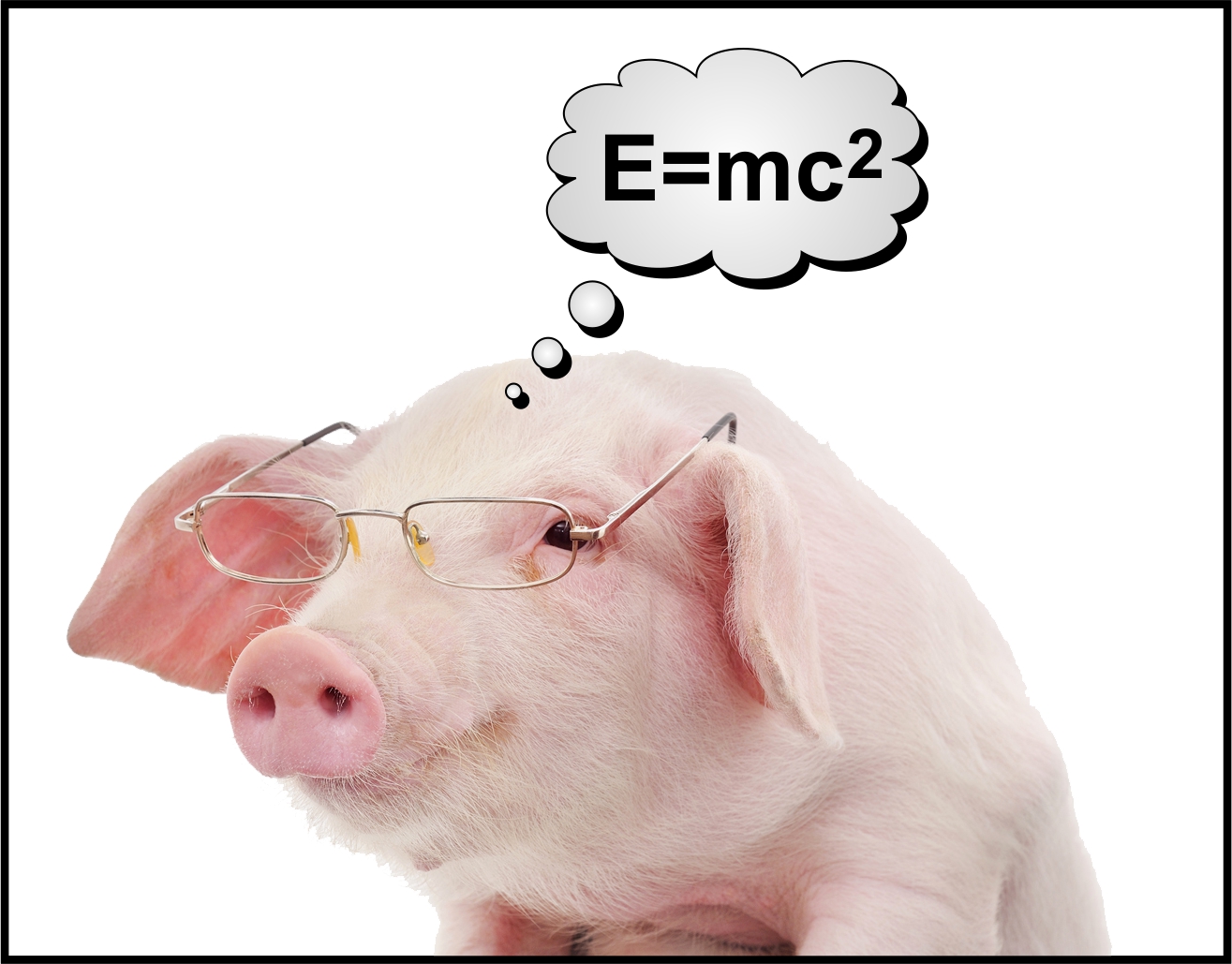
What Does it Take to Have the Courage to Change Your Mind? — by J. Persico and Metis (AI Assistant)

Do you hate to admit when you are wrong?  Do you try to defend your position even when it is indefensible?  If so, do not feel too bad.   You are in great company.   Throughout history, some of the greatest thinkers and most intelligent people in the world have refused to admit when they were dead wrong.   We are going to look at some of the most egregious examples of some very smart people who had some deeply mistaken ideas that they clung to despite  overwhelming evidence that they were dead wrong.   
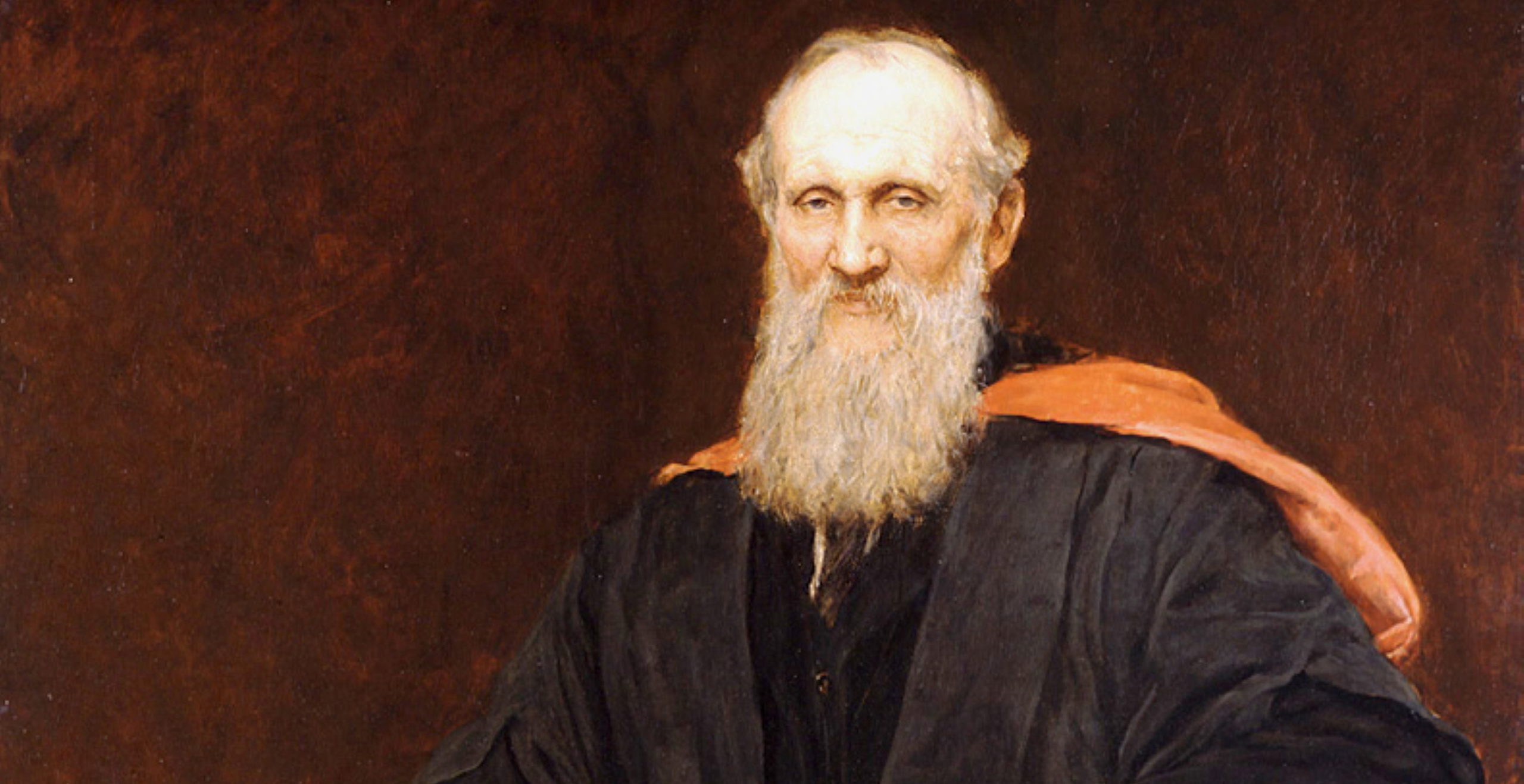
Lord Kelvin: When Great Certainty Meets New Evidence

Lord Kelvin was one of the greatest physicists of the nineteenth century.  His contributions to thermodynamics, electricity, and engineering transformed modern science.  Yet even Kelvin demonstrated that genius is no guarantee against error.

Kelvin argued that the Earth was only about 20 to 40 million years old.  Using the best physics available at the time, he calculated how long a molten Earth would take to cool to its present temperature.  Geologists and Charles Darwin objected that such a young Earth left far too little time for the slow processes of evolution and geological change, but Kelvin remained convinced that his calculations were correct.

The missing piece of evidence was unknown to everyone at the time: radioactivity.  After the discovery of radioactive decay in the late 1890s, scientists realized that radioactive elements inside the Earth continually generate heat, dramatically slowing the planet’s cooling.  Modern dating methods now show the Earth is approximately 4.54 billion years old.  Kelvin’s mathematics had been sound—but his assumptions were incomplete.  His refusal to reconsider those assumptions delayed acceptance of the overwhelming evidence.
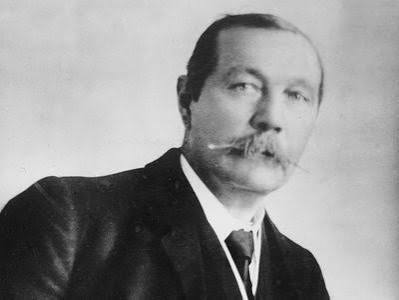
Sir Arthur Conan Doyle: When Belief Overrules Evidence

Sir Arthur Conan Doyle, the creator of the supremely logical detective Sherlock Holmes, spent the final decades of his life passionately defending spiritualism.  He became convinced that séances, mediums, ghosts, and communication with the dead were genuine phenomena.

Despite repeated investigations exposing many famous mediums as frauds, Doyle continued to defend them.  Perhaps the most famous example was his unwavering belief in the Cottingley Fairies photographs, which appeared to show two young girls playing with fairies.  Even after experts questioned the images and evidence accumulated that the photographs had been staged using paper cutouts, Doyle insisted they were authentic.  Decades later, the women involved admitted they had fabricated the photographs.

Doyle’s story is a powerful reminder that intelligence alone does not protect us from self-deception.  A person may apply rigorous logic in one area of life while allowing hope, emotion, or deeply held beliefs to override evidence in another.  His willingness to believe extraordinary claims despite repeated contrary evidence stands as one of history’s most striking examples of confirmation bias.
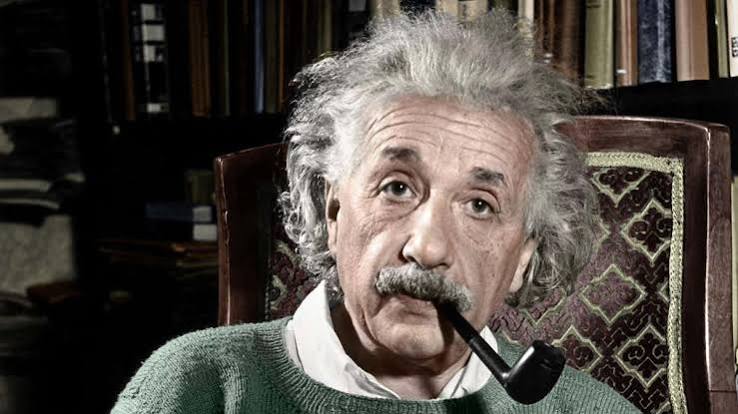
Albert Einstein: The Genius Who Resisted Quantum Reality

Albert Einstein revolutionized physics through the theories of relativity and helped lay the foundation for quantum theory itself by explaining the photoelectric effect.  Ironically, he spent much of the latter half of his career resisting one of the central conclusions of quantum mechanics.

Einstein believed that nature had to operate according to precise, deterministic laws.  He rejected the idea that events at the atomic level were fundamentally probabilistic, famously remarking, “God does not play dice with the universe.” Throughout his life he searched for hidden variables that would restore certainty to physics.

Over the decades, experiment after experiment supported the predictions of quantum mechanics.  The strongest evidence came long after Einstein’s death through tests of Bell’s inequalities, which consistently confirmed quantum entanglement and ruled out the kind of local hidden-variable theories Einstein had hoped would exist.  Today quantum mechanics stands as one of the most thoroughly tested and successful scientific theories ever developed.  Einstein’s skepticism helped sharpen the science, but in the end the evidence proved stronger than his intuition.  Nevertheless, Einstein’s objections helped force physicists to sharpen the theory and design better experiments.  In that sense, he was “wrong about the interpretation he favored,” but immensely valuable in advancing the science.

Now most of us probably know someone, perhaps not as famous as my three examples, but someone close or dear to our hearts that will never accept that they are wrong about anything.  You can argue with them until you are “blue in the face” and they will never change their mind.  These friends can be infuriating.  But have you ever stopped to think why they refuse to change their minds in the face of sometimes overwhelming evidence?  Psychologists have coined a term for such intransigence and call it “Belief Perseverance.”

This is the tendency to maintain a belief even after the evidence supporting it has been discredited or disproven.

Psychologists use this term when people continue believing something despite overwhelming contradictory evidence.

Example: A person continues to believe a conspiracy theory after every claim has been independently debunked.

Sometimes Belief Perseverance is confused with a close phenomenon called Confirmation Bias.  They are closely related but not the same. 

Confirmation Bias is the tendency to seek, notice, and remember only evidence that supports one’s existing beliefs while ignoring contradictory evidence.

Unlike Belief Perseverance, Confirmation Bias is about how people process information, not necessarily refusing to change after being proven wrong.

Before we leave the cognitive realm there is one more relevant term that we need to look at.  It is called Cognitive Dissonance.  This is one of my favorites since I have seen so many examples of this in my years on this earth that I have lost track.

Cognitive Dissonance is the psychological discomfort people experience when facts conflict with what they believe about themselves or the world.  When people are faced with a set of facts that cause them discomfort they will use a variety of ways to rationalize the evidence that ignores the reality in favor of a reality that they are comfortable with.  Like making excuses for someone’s behavior that is clearly immoral or unethical because they want to admire the person.

Now in today’s world of misinformation, disinformation, lies, distortions, fake ads, false messages, propaganda news, you can be pardoned if you cannot tell the difference between Perseverance Bias, Confirmation Bias and Cognitive Dissonance.  Truth be told, even Einstein could probably not tell the difference.  However, the bottom line here is clear. 

People, your friends and mine, and even those who are not our friends will continually use distorted logic and distorted facts to cling to ideas and perceptions that are false. 

And you may never be able to change their minds.  Nothing you say.  Nothing you do.  No experts you call on.  No preachers, teachers, ministers or nightly newscasters will ever make one dint in their belief systems.  Their minds are made up.  They are more than made up.  They are cast in stone, or iron.  You can take a sledgehammer, and you will not make a single dint in their ideas of what is true or not true. 

So why are we all so stupid that we waste our precious time trying?  Is it truly an impossible task to change anyone’s mind?  If Lord Kelvin, Sir Arthur Conan Doyle and Albert Einstein would not change their minds, what makes you think that your Aunt or best friend will?  Is the effort to convince them otherwise truly useless?  Perhaps we need to look as some examples in history where people did change their minds.  The most famous example may be Charles Darwin, the founder of “Evolution Theory by Natural Selection.” 
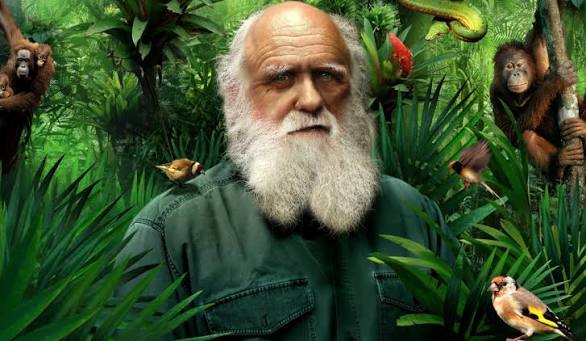
Charles Darwin provides a striking contrast to those who refused to abandon deeply held beliefs.  Throughout the more than twenty years he spent developing his theory of evolution by natural selection, Darwin deliberately searched for evidence that might prove him wrong.

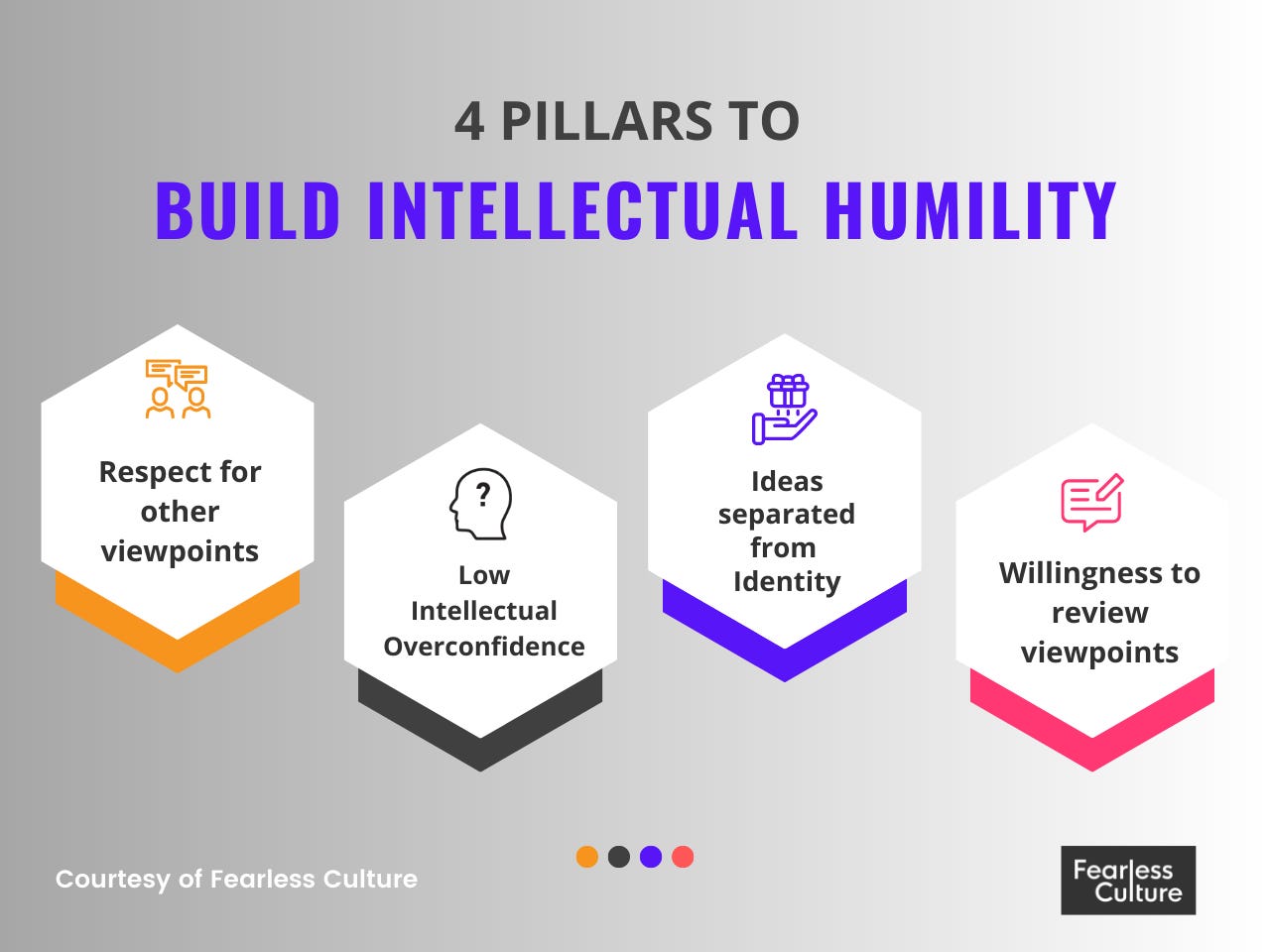
Darwin believed that no theory should be protected from evidence.  As he gathered new observations from geology, fossils, animal breeding, and the natural world, he continually refined and revised his thinking.  His willingness to let facts, rather than pride, determine his conclusions exemplifies what we now call Intellectual Humility—the recognition that being wrong is not a personal failure, but refusing to change in the face of convincing evidence demonstrates a lack of Intellectual Humility .

Darwin’s legacy reminds us that progress, whether in science or in life, belongs not to those who are always right, but to those who are willing to admit when they are wrong.  This brings us face to face with the concept of Intellectual Humility.  This is a willingness to question any concept or belief we hold in the face of new evidence or facts or logic which might question the assumptions upon which we hold said beliefs.  One might readily ask “How in the face of so much misinformation and lies can we tell facts and evidence from lies and fake facts?”  This is not an easy question to answer. 

Unfortunately, our schools and education systems seem to place more value on providing answers rather than asking questions.  The whole idea of critical thinking comes down to the willingness to ask and consider questions rather than blindly accepting facts.  Socrates was considered the smartest man in Greece because the Oracle said he was the only man who recognized how little he really knew.  The Socratic method is one of deducing truth and understanding by asking questions. 

Plato in his “Socratic Dialogues” described many of the stories wherein Socrates educated his students by asking questions and not by providing answers.  Ironically, Sir Arthur Conan Doyle created perhaps the greatest detective of all time whose main modus operandi was asking questions and keeping an open mind.  Something his creator did not seem to have the ability to do himself.    

My father gave me a bit of advice which I still adhere to today when I was a child.  He said, “Believe nothing of what you hear and only half of what you see.”  Lawyers know this truth when it comes to witnesses.  It has been said by the legal profession that “Nothing is as unreliable as an eyewitness.”  These thoughts mark a boundary for my intellectual humility.  It seems to be almost a curse that the smarter someone is, the more intransigent their humility can be. 

Living here in Arizona, we come into the summer season when temperatures soar into the triple digits.  We have heat warnings in the parks and posted in many public places.  Nevertheless, frequently people ignore these warnings and run or hike down a trail only to come back in a body bag.  Regardless of how many warnings they receive, some people insist that they know better.  They regard the park rangers or DNR people who are trying to warn them as stupid unthinking clods who really don’t know how much experience they have or how tough they are. 

Belief Perseverance not only affects science and politics, but it also sometimes kills people.

Go to YouTube and you can find countless examples of people who were so blinded by their own intellectual perceptions of their physical prowess and abilities that they thought they could ignore the advice of others.  There have already been four deaths on park trails in the Grand Canyon this year.  More will come. 

Many people do not realize that Arizona loses far more people to heat than to lightning, floods, tornadoes, earthquakes, mountain lions, bears, rattlesnakes, and scorpions combined.  Heat is, by a wide margin, the state’s deadliest natural hazard. 

Last year (2025) in Arizona, a total of 680 people died from heat related deaths.  Most were:

  • Over age 50,
  • Had underlying medical conditions,
  • Were outdoors for extended periods or lacked reliable air conditioning,
  • Were experiencing homelessness.

What does Intellectual Humility have to do with any of these facts?  I think it all comes down to recognizing our own limitations.  Sometimes this is made harder because we “used to be” good at something that we are no longer so good at.  My best time running a 10k was 38”48 seconds.  That is roughly six fifteen per mile.  If I ran one today, my mile times would be about 14 minutes per mile.  I could almost walk faster than I now run.   Our perceptions of ourselves as we used to be can blind us to a reality that we need to face today. 
Two sayings I like a lot are: 

  • “You got to know when to hold them and when to fold em.”
  • “God, grant me the serenity to accept the things I cannot change ,the courage to change the things I can, and the wisdom to know the difference.”

Growing old is never easy.  Letting go of ideas is perhaps even harder.  Intellectual Humility is a path to growing older longer and with less pain.  Without Intellectual Humility, your images of what you once were and what you once did can blind you to the reality that you are today.

The courage to change your mind is not a sign of weakness—it is one of the highest forms of wisdom.   Many good people would be alive today if they had developed more Intellectual Humility.
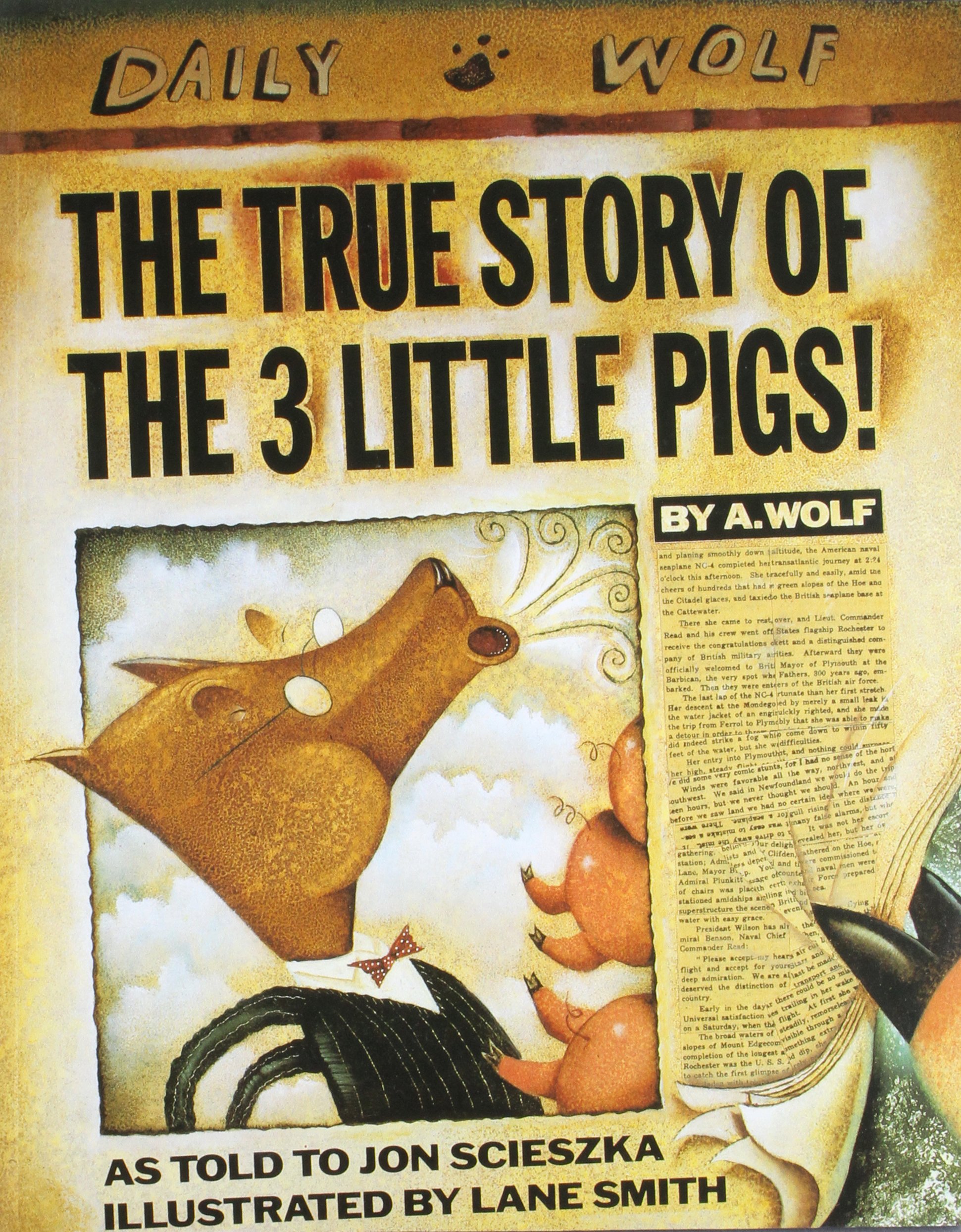
The True Story of the Three Little Pigs:  Well, Not So Little!

pigs and wolf

This is the true story of the three little pigs.  Actually, they were not so little at all.  Each of the three pigs weighed at least 400 pounds but that is about average for a real pig.  Now we all know that pigs are very smart and these three were no exception.  Joanne, the youngest had a Ph.D. degree in physics.  Paul, the middle in age had a Ph.D. in world literature and Jayla, the oldest sibling had a Ph.D. degree in philosophy.

866_Three_Little-Pigs (2)

They lived in a beautiful neighborhood and each of them was smart enough not to build their houses with straw or wood.  All had sturdy brick houses that no wolf in the world would have been able to blow down.  Nevertheless, the mean old wolf who lived one block over was always plotting on how he could eat the three “not so little” pigs.

One day the wolf, whose name was Jack, was searching the internet for ways to trap pigs.  He was spending quite some time on Facebook and LinkedIn to search for personal information on Joanne, Paul and Jayla.  He believed that the more he learned about the personal habits of each pig, the more chance he would have to catch them.  The internet was very helpful in his efforts.  He noticed that each of the three pigs loved to play on-line puzzles and word games.  He found that they seldom lost a contest with any other on-line gamers.  They won so many games that they had become very conceited about their intellectual prowess.  This gave Jack an idea.

wolf

Jack thought he could create an intellectual challenge for each pig.  He would trap them when they lost the challenge.  First, he would need to create a fake internet persona and a fake game site.  He had just the idea that he thought would work.  He would call himself “Jack the king of online gaming pigs.”  This arrogance would be sure to annoy the conceited pigs.  He would then issue on on-line challenge but he would only accept the challenge from the three pigs.

He would bet each of them that they could not correctly answer three of his questions.  If they did get all three right, he would work for them for a week for free.  If they missed any one question, they would have to work for him for a week for free.  Of course, when they came to his house to work for him, he would grab each pig and eat them.

wolf eating the pig

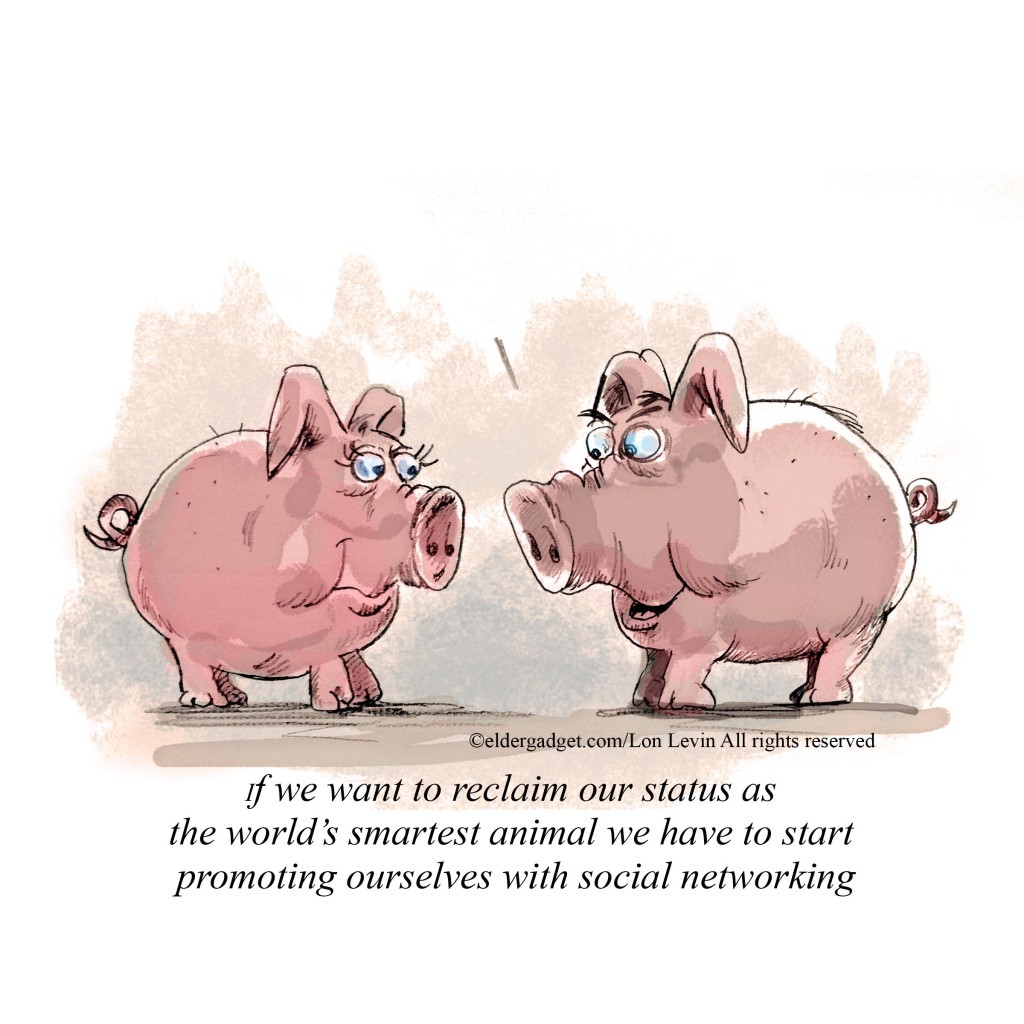
A week later, Jack had set up his website and a picture of him that showed a large handsome looking male pig.  His banner had all sorts of pictures of gold coins, silver coins, jewels, exotic cars and exotic locations.  Right in the middle of the banner was the large words “Jack, King of On-Line Gaming Pigs.”  To the right side of the page was the picture of a large flashing gold treasure chest.   Inside the chest, were the words printed in bright colors: “I challenge you.  I know more than you do about anything.  Click on to accept my challenge.”

social networking pigs

Upon clicking on the treasure box, the description of the challenge and the rewards were printed.  It was stated very clearly that the challenger would have the right to select the subject matter.  Jack felt that this latter stipulation would insure that the bait would be taken since each pig would be sure to think that no one could be smarter than they were in their specialized area of expertise.  Jayla would no doubt select questions on philosophy while Paul would select questions on world literature and Joanne would select questions on physics.

Joanne was the first one of the three pigs to notice the online challenge.  “What”, she thought, “Who is this arrogant joker that thinks he is so smart.  I will show him.”  She sent back a message which said “I accept your challenge.  The subject is physics.  Send me your questions.”

Jack sent the following questions.  Each question had to be difficult so as not to arouse suspicion but not too difficult.  At least, until the third question.

First Question:  Do heavier objects fall more slowly than lighter objects?”

Joanne’s Answer:  No. If an object is heavier the force of gravity is greater, but since it has greater mass the acceleration is the same, so it moves at the same speed.

Second Question:  What is the difference between energy and power?

Joanne’s Answer:  Power is the rate of energy being generated or consumed.

“Well,” said Jack “you have been correct on the first two questions.”  Now thought Jack, I will give her the most difficult and impossible question to answer since my thought question is a paradox.

Third Question:  We place a living cat into a steel chamber, along with a device containing a vial of hydrocyanic acid. There is, in the chamber, a very small amount of hydrocyanic acid, a radioactive substance. If even a single atom of the substance decays during the test period, a relay mechanism will trip a hammer, which will, in turn, break the vial and kill the cat. Is the cat dead or alive?

Joanne’s Answer:  That’s not fair because it is a paradoxical question.  According to quantum theory, the cat is both alive and dead until I open the box and look.  You cannot know which state the cat is in without opening the box.

Jack’s Reply:  Well, you agreed to the questions and now you must work for me for a week.

Well, Joanne thought, he’s not such a bad looking pig so maybe it will be fun.

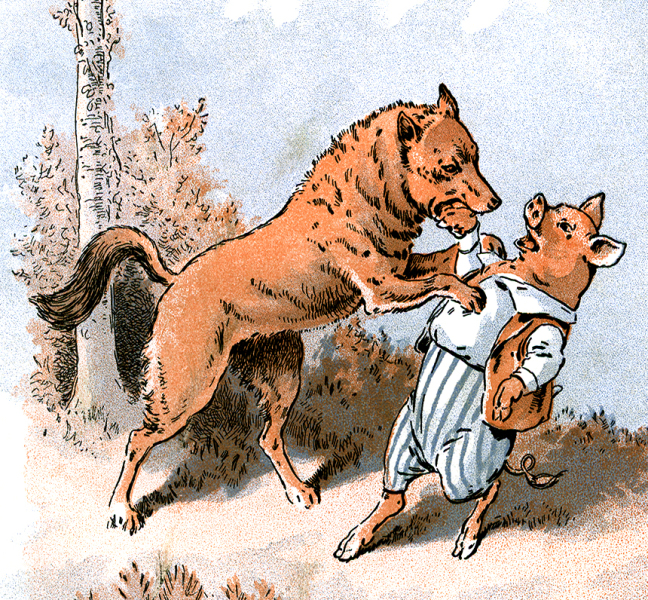
She went to the address that Jack gave and knocked on the door.  Just as soon as Jack opened the door he pounced on poor Joanne and in a few bites entirely gobbled her up.

Next to reply to Jack’s challenge was Paul.  Jack had changed the picture on his web site and now presented himself as a young very attractive looking female pig.  He changed his internet name to Jacqueline.  Paul saw the picture and even without the challenge was rather intrigued by the picture of Jacqueline.  Paul replied to Jacqueline’s challenge and requested world literature as the subject for his three questions.

First Question:  Who wrote the book “The Importance of Living”?

Paul’s Answer:  That’s easy.  It was Lin Yutang

Second Question:  How many lines does a Shakespearean sonnet have?

Paul’s Answer:  Another easy one.  It has 14 lines.

Now thought Jack for the paradox question.  Paul thinks he is so smart.  I can hardly wait to have more roast pork for dinner.

Third Question:  This sentence is not a paradox. – True or false

Paul’s Answer:  There is no way I can answer that question.  First, the sentence cannot be false. If it were false, then it would not be a paradox, since any sentence that is a paradox must be true.  But it says that it is not a paradox, so this would mean that what it says is the case, and hence it would be true.  This is a contradiction.

Jack’s Reply:  Well, you played the game and you could not answer all three questions.  So you lost.  When do you want to come over to my house and start working?

Paul thought, well Jacqueline looks pretty cute and I would like to meet her anyway and so he replied “How about I come over to your place tonight and we have dinner together.”

Jack replied “Great, I love the idea.  I will make a wonderful meal for us together.”

That was the last that anyone saw of Jack the pig with a Ph.D. in world literature.

Two more weeks went by and Jack changed his website back to a picture with a handsome young male pig with his own name of Jack.  He felt sure that with the challenge and the picture of a good-looking pig, he would soon entice Jayla to take up the challenge.

Now Jayla had not seen her siblings for the past four weeks.  She knew that they loved to play on-line games and she had not seen them around any of the usual game sites.  She surfed the web each day but could not find any games they were playing.  It appeared that the last game any of them played was at the site of some arrogant guy who billed himself as the King of On-line Gaming Pigs.  Her web skills showed her that both of her siblings had accepted his challenge.  She pondered the coincidence that since accepting the challenge, she had not seen either sibling again.  This raised some suspicions in her mind.  Nevertheless, she decided to accept the challenge but with a bit of caution.   She posted her acceptance on the website and stated her chosen subject field as philosophy.

SmartPIG

Jack was overjoyed.  He loved roast pig and was ready for his third pig of the year.  He would be very cautious and not try to tip his hand so he researched his three questions very carefully.  He was quite sure that the third one would be unanswerable.

First Question:  Do states have moral authority over their citizens?

Jayla’s Answer:  Only over those citizens who make an uncoerced decision to give that authority to their state, which I think is almost never

Jack Replies:  Ok, I will concede that one to you. 

Second Question:  Plato’s definition of knowledge was?

Jayla’s Answer:  Justified true belief.

Jayla had gotten the first two right but Jack was now ready to spring the paradoxical question on her.  There was no way she could get the right answer.

Suddenly, Jack noticed a text that appeared on his computer screen.  Jayla was requesting a short break before the next question.  Jack could not believe his eyes.  Jayla suggested that Jack come over to her house tomorrow night for dinner and bring the third question with him.  This was too good to be true.  He would get a free dinner before he ate his third pig.  He agreed and Jayla texted him her home address.

Now, if you know anything about philosophy, you know that it means the love of wisdom.  Jayla, was the wisest of the three pigs and she had prepared for the unexpected.  Jack the wolf came dressed up in a pig disguise but Jayla saw right through it.  She was not entirely surprised since she had long suspected some treachery was involved.  She invited Jack in.

“Jack,” said Jayla, “can I give you a drink before dinner?”

“Sure” replied Jack.  Jack thought he might as well eat a free meal before he ate Jayla.

Jayla, knowing full well that Jack was a wolf disguised as a pig prepared him a special martini mixed with some knock out drops.  Jack would not know what hit him.

Jack took the drink thinking all the time that this was too good to be true.  The next thing Jack knew he was waking up with a splitting headache.  As he tried to move his muscles, he found that he was tied by all four legs to a sturdy oak chair.  Jayla stood over him with a baseball bat.

We have now come to a tricky point in my story.  We have two dilemmas to solve before we can reach a conclusion.  The first problem is how do we bring Jayla’s two siblings back?  We know the wolf ate both but that is beside the point.  We can’t have a fairy tale where two siblings get eaten and do not return.  It’s just not done.

The second problem is what do we do with the big bad wolf?  Do we kill him, let him go, castrate him or what?  We need to have some type of fitting denouement for Jack the wolf.  Again, since this is a fairy tale, we probably need to rule out killing him or castration but I don’t think we can just let him go.  Not much drama in that anyway.  Well, let’s tackle first problems first.  We will start with getting Jayla’s two siblings back.

Jayla took the bat and whacked the big bad wolf right in the stomach.  Lo and behold, the wolf gave a big burp and out popped Paul.  One more smack to the stomach and out popped Joanne.  The siblings were all so happy to see each other and Jayla that they hugged and hugged for a mighty long time.

Ok, so they were eaten.  It’s a fairy tale and I can do anything as implausible as I desire.  I mean you did not complain when a wolf ate a 400-pound pig, so don’t start nitpicking now. 

Once pleasantries were over, the three pigs sat down to discuss the fate of Jack the big bad wolf.  Paul wanted to cut him into many pieces and scatter him all over the neighborhood.  Joanne wanted to skin him alive and use his fur for a rug.  Jayla cautioned restraint.  “Remember”, she said “This is a fairy tale and we can’t do any such gruesome things to the big bad wolf in a fairy tale.”  Jayla suggested that they all do an internet search and see what kinds of options for dealing with pig eating wolfs they might find.  They would each Google some strategies and then discuss ideas.

A few hours went by and both Paul and Joanne each came up with an idea.  Jayla was still undecided and had not found any that really thrilled her.  Paul suggested that they put Jack in a box and ship him to Antarctica.  Joanne thought that maybe through behavioral modification they could convince Jack that he did not want to eat a pig.  Jayla thought both ideas were not a fitting end to a good fairy tale.  She then had a brainstorm.  We will have a contest.  Here is Jayla’s idea.  Our readers will help us find a fitting conclusion to this story.

Everyone who reads this story is invited to suggest a conclusion.  We need you to take a few minutes to think of what the three pigs can do with Jack the big bad wolf so that we will have a fitting end to this tale.  Put your idea or ideas for an ending in the comments section.  The three “not so little” pigs will select their favorite reader suggested idea.  If your idea for an ending is selected you will win twenty-five US dollars.

If you submit an idea, be sure to include your name, address and/or PayPal box number.  We will send you a check or deposit the money in your PayPal account. 

We look forward to getting your ideas as to what we should do with Jack, the big bad wolf.  We cannot keep him tied up forever, so please write soon.

Time for Questions:

What will we do with the big bad wolf?  Do you remember how this story ended in the original version?  Do you like fairy tales?  Why or why not?  What is the point of a fairy tale?  Is there a point to this story?  What is it?

Life is just beginning.

“If you happen to read fairy tales, you will observe that one idea runs from one end of them to the other–the idea that peace and happiness can only exist on some condition.  This idea, which is the core of ethics, is the core of the nursery-tales.”  ― G.K. Chesterton