In 1979, I was hired by Sister M. Giovanni SSND of the School Sisters of Notre Dame to teach at Guadalupe Area Project (GAP). This was an alternative high school for kids who had been kicked out of the public school system. I had gone back to school in 1971 after four years in the military and decided to get a teaching degree in Health Education. I had just barely finished High School in 1964 and joined the Air Force in September of 64. I had applied to a few colleges at the end of high school but due to my poor grades and even poorer conduct record, I did not even get rejection notices. Thus, liking the Air Force uniform better than the Army or Navy uniforms, I joined the Air Force, hoping to see the world, kill some commies and “meet” a lot of interesting women. I did not get much of the first two agendas but I did prove more successful at the third one. Lots more successful than I had been in high school! Was it the uniform or that I was coming from a “strange” land?
Upon leaving the military, much more disillusioned than when I had entered, I worked an assortment of odd jobs for three years until finally my first wife convinced me to go to college. She evidently believed in me more than I believed in myself or was tired of my complaining about all the stupid assholes I was working for. Going to college might sound easy but with my abysmal high school record, getting in was easier said than done. Fortunately, a kindly guidance counselor at my old high school said he would tell anyone requesting my records that they had been lost. He opined that admissions people seeing my school records would not think I was anything less than “correctional” material. In fact, I had been arrested a few times before turning 18 but most of this was not valid any longer since they were juvenile records.
Five years later, 1976, I emerged from Rhode Island College with a degree in Health Education. After spending a year as a substitute teacher, I lost most of my desire to teach. With the GI Bill being extended, I decided to enroll in a Master’s Degree program at the University of Wisconsin-Stout in Counseling Psychology. Talk about the old adage of psych majors being screwed up. I needed more counseling than any potential clients. I started sending out applications for a job in counseling and received a letter from Sister M. Giovanni SSND that she was interested in my application.
I called Sister G (as she was affectionately known to one and all) and set-up an interview with her. I was shocked and surprised when I found out that she was looking for a “teacher.” I explained that I was not interested in teaching but was interested in counseling. Sister G. replied “Don’t worry; you will get lots of practice counseling with the students we have at GAP.” I then said “Look Sister G. I am not a Catholic, I am an Atheist.” She looked very serious at me and said: “I don’t care what your political or spiritual beliefs are as long as you are a good teacher.” I was hooked. I agreed to teach at GAP and stayed there for one year.
It was one of the most memorable experiences I have had in my life. GAP teachers, volunteers, parents and students were all unique and dedicated. Maybe not all dedicated to learning but all dedicated to getting more out of life. One of the best teachers was the art teacher named Sister Anna Louise Wilson. She was a good teacher, devoted to her profession and devoted to her students. One day after I had decided to leave, I took a short walk with Sister Anna. I never quite felt that I had the impact or influence on the student’s lives that I would have liked to have. I knew that Sister Anna did and I admired her for it. I asked her “What does it take to really make a difference in their lives?” She replied “you have to care.”
I thought about her comment then and I realized that I did not care. I cared about the subjects I was teaching. I cared about being professional. I cared about continuous learning and I cared about mastering the craft of an educator. What I did not care about was what happened to my students after they left school. As far as I was concerned, that was their problem. My task was to give them the knowledge, skills and abilities to fit in with a changing complex workplace. Many years went by and countless times I have reflected on Sister Anna’s comment about caring. I finally understand its relevance and importance.
Who makes a difference in anyone’s life? Do you care about the Nobel Prize winners, Pulitzer Prize winners or 20 greatest geniuses the world has ever known? How many of them can you name? But the people that cared about you are the ones you remember. They are the ones who made a true difference in your life. Caring is perhaps the most underrated and undervalued trait in the world. Whether in politics, education or the workplace, the people that care are the ones that truly make a difference. The concept is so important, you would think we would have academies of caring or schools where caring could be taught. What does it mean to care? Why care? What is caring?
“Unless someone like you cares a whole awful lot, nothing is going to get better. It’s not.” — Theodor Seuss Geisel (1904-1991);
When you care about something, you are taking a risk. A risk that any expectations you have will not be returned. A risk that the subject of your caring may not reciprocate. A risk that your caring will result in disappointment or worse. The subject of your caring is independent of your caring. A hard reality is that caring opens the care giver to pain. We would rather minimize the potential pains in our lives and so we develop some strict rules about whom we are willing to care for and when we are willing to care. For instance, how often have you heard the phrase used “I couldn’t care less?” Many of us have been burned once too often by “caring” and so we shrink our envelopes of caring until we have little potential to care. I never saw a reason to care about my students because I was not really willing to risk the effort. Even if I had realized that I needed to be more caring to make a difference in their lives, my self-protection envelope would have prevented me from trying.
Now I am older, sadder and perhaps wiser, or at least wise enough to understand the need for caring. Whether in a nursing home, school, hospital or at work, caring is one of the most desired attributes we would like to obtain for ourselves. The question is “how can we get more caring in this world, if we are not willing to give it?” Everyone wants caring in their lives but we are much less prone to offer it to others. The parable of the Good Samaritan comes repeatedly to my mind.
Time for Questions:
Who is our neighbor? Who do we care about? Do we only care about people who are just like us or do we care about those who belong to a different social class or religion or ethnic group or even another country? Do we only care about our relatives and friends or do we extend our caring to strangers or others in need? How do we develop more caring in our neighborhood and in our world?
Life is just beginning


 I was only twenty-five when I met Irene. It was my first job out of college. I had just finished my RN program at Regina Nursing School. It took me three years going to school days and working part-time evenings to complete my degree. After finishing school, I applied at several nursing homes since I wanted to work with the elderly. In three weeks, I was hired by the River Birch nursing home in New Prague Minnesota.
 My first day on the job was the high point and perhaps also the low point of my life. It was the day I met Irene. My supervisor Michelle started my job orientation by introducing me to the staff I would be working with. She then gave me a brief summary of my work duties. She explained that I would be assigned a wing of the nursing home and within that wing, I would be in charge of a specific number of residents. We were not to call them patients. Each day, my job would be to take care of the residents that I was assigned and to ensure that they received food, care and compassion.

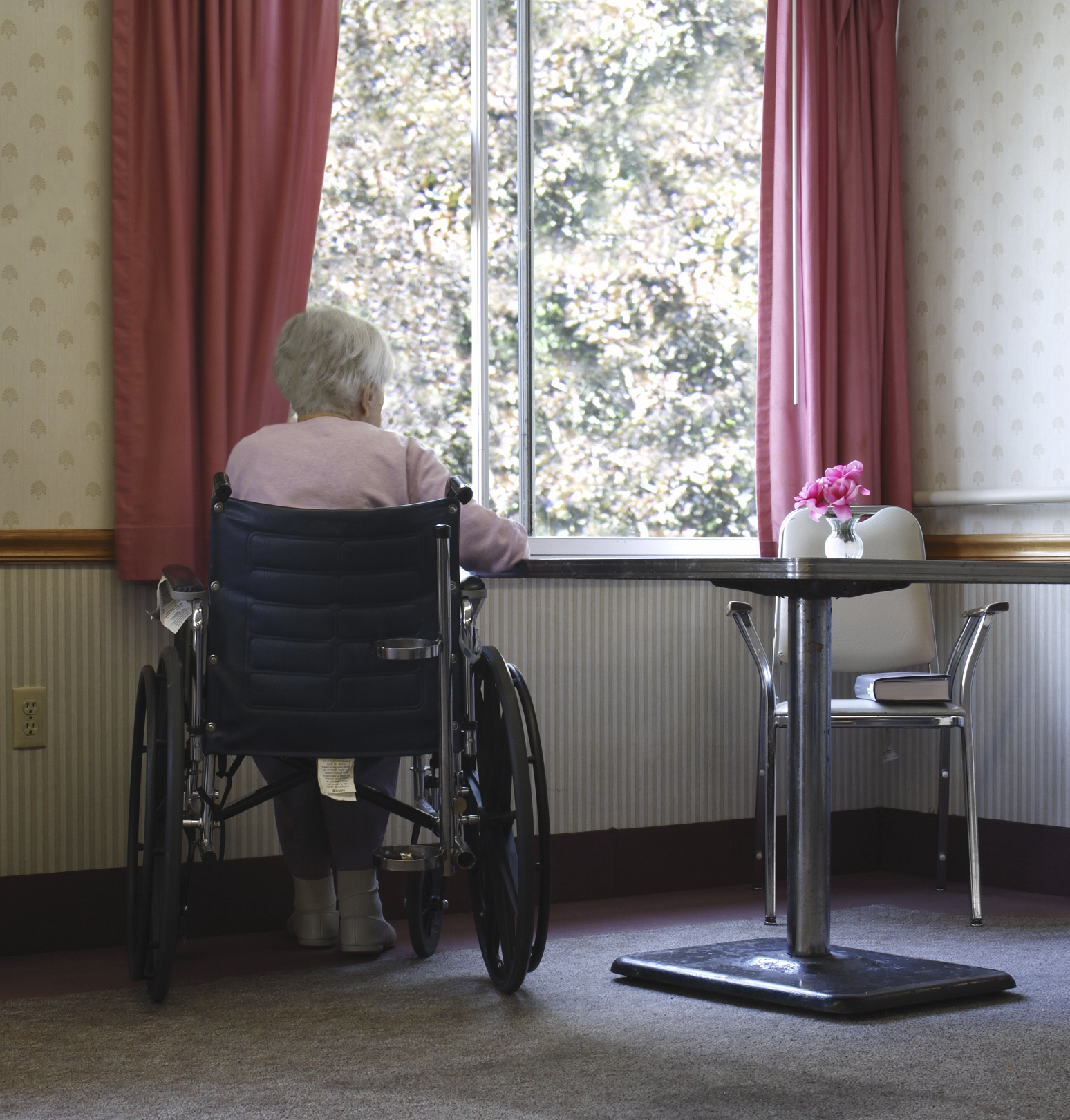
 Over time, I began to wonder what she was looking at. After looking out the window myself, all I could see was a large grassy field surrounded by numerous oak, maple and birch trees. On any given day, there might some grackles or robins out in the field but very little else to view. It was a pleasant enough scene but nothing that I thought could keep anyone’s attention for more than a few minutes never mind several hours of staring out the window
 a very pretty view that she could look out at. I thought she would enjoy the variety and the change of scenery. As I started to push Irene’s wheel chair away from her chosen window, she became very agitated and started pointing wildly and in a raised voice saying “window, window.” I moved her back to the old window and left her for the day.
 Next morning, I came to work and started my rounds. I did not see Irene and I wondered where she was. I checked her room but the bed was made up and there was no sign of Irene. I went into see my supervisor and ask about her. “I am sorry” Michele said “She passed away last night and was taken to the funeral home. There will be no services for her as she had no surviving relatives.” I went home and cried for her passing. I had never understood her or made a connection with her that I thought was the least bit meaningful.
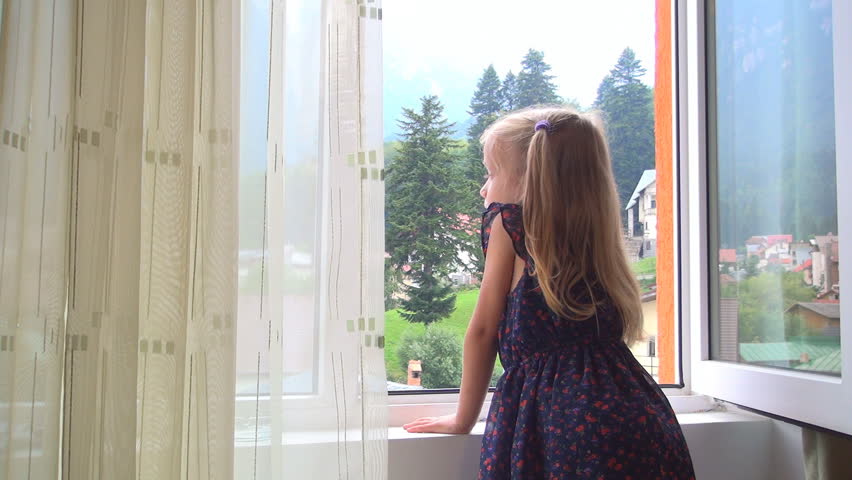 It is sixty-five years later and I finally understand Irene. I am sitting here looking out a window from the nursing home where I am now a resident. Each day I look out the same window and I see a different event from my life. I have been amazed at the events that I have witnessed. I have seen my mother giving birth to me. I have seen the birth of each of my sisters and brothers. I witnessed my first communion and my first day in school. I watched my wedding and the birth of each of my children. I was at my husband’s funeral again. During the past few months, I have seen all the major events of my life one after the other in perfect chronological order. I am almost at the end of my journey. There is only one final event. The last event will be when they come for me. They are getting close. My mom and dad are coming for me. They are coming to take me home. I must keep looking out the window or I will miss them.




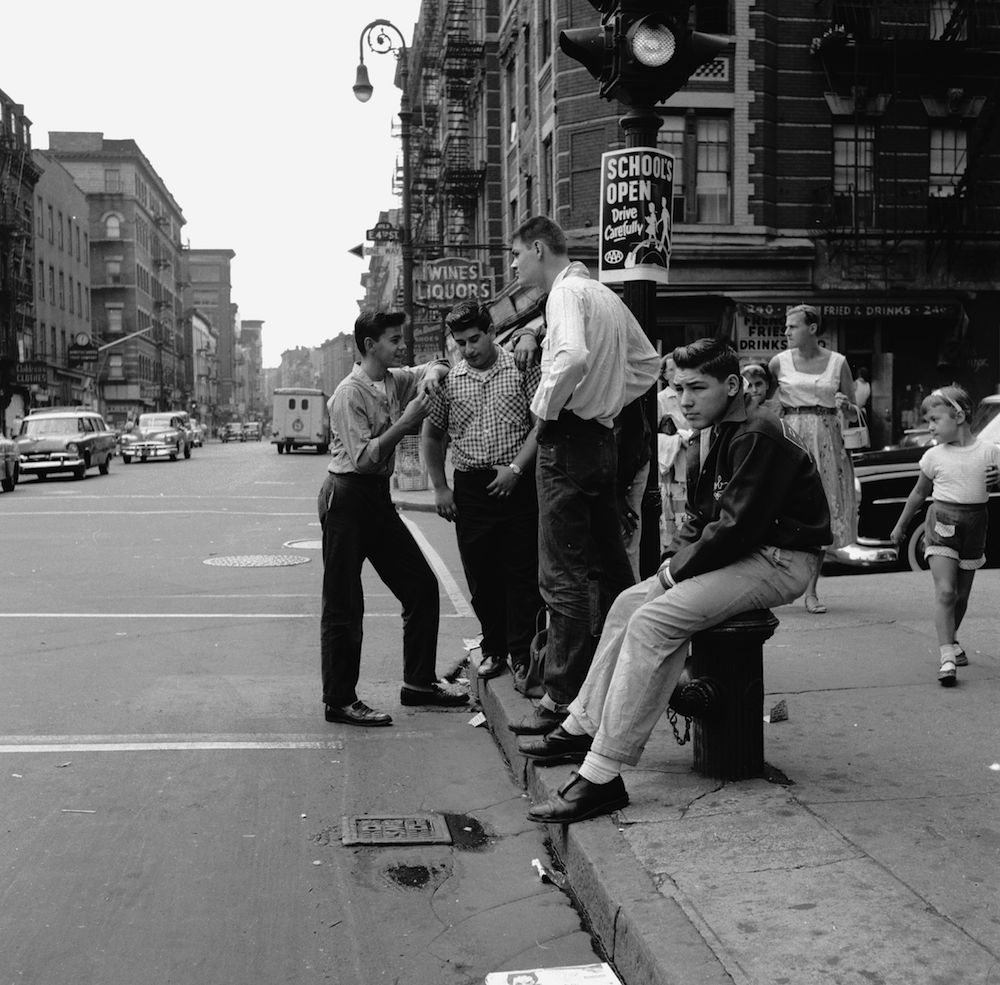

 The idea of sex in our minds easily overrode any caution or concern about getting caught by her father. We arrived at her house. She lived out of town somewhat in Scituate which was a more rural area of R.I. in the sixties. When we arrived, Bob said “I will go in first and check things out. If it is okay, you guys can come in. Bob went inside the small average looking New England Colonial house with two upper dormer windows and came out a few minutes later. “OK guys” Bob said, “She is willing.” We all trotted inside the house to the first room which was a kitchen with a small table and four chairs. Dave, Tommy and I sat on the chairs and Bob headed up a small staircase. “I will go first” said Bob “and Dave is next. You and Tommy can decide who goes after Dave.” “Oh”, said Bob, “her name is Barbara and she likes to be called Barb.” No one challenged this order of affairs as it was taken for granted that since Bob had set this up, he had first dibs.

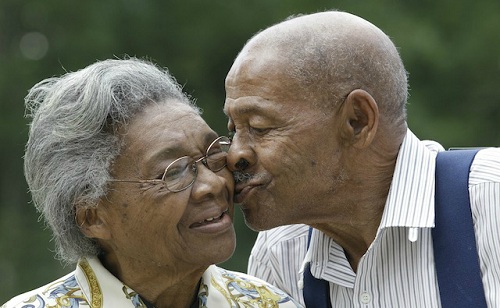
 Emily and Robert had been married for nearly 65 years. They were both in their early twenties when they met in college. It was love at first sight. Their parents wanted them to wait to finish college but after a brief whirlwind romance, they simply eloped. They surprised everyone when they came back to school and finished their college degrees. Robert became an engineer and Emily was a school teacher for many years. The careers they chose suited their personalities. They were known as hard faithful workers. Not once in over forty years did any employer ever have a complaint or problem with either Robert or Emily. After forty-five years, they both chose to retire so they could spend more time together after Robert’s first stroke.
 were loved by all their foster children who often returned home to visit or to simply stop by with a bit of news or something to eat. Robert and Emily could not have loved any children of their own more than they loved their foster children.
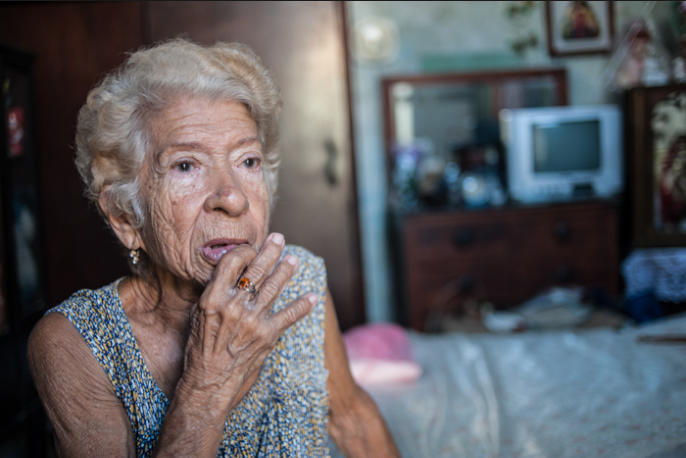 Emily finished brushing her teeth and then took her nightly pills. She shut off the bathroom light and started out to the bedroom. The light by Robert’s side of the bed was on and Emily started to say something to Robert when abruptly she stopped. Her eyes fell upon an empty bed that was undisturbed. The sheets and bed covers had not been moved. Emily was surprised and shocked. Where was
  Robert? Suddenly, Emily remembered. Robert had died the previous week and had been buried two days before on Saturday. Tears came to her eyes. What would she do without her Robert? She was all alone now. No one to go to bed with. No one to talk to at night. No one who would regularly listen to her complaints and problems about the world.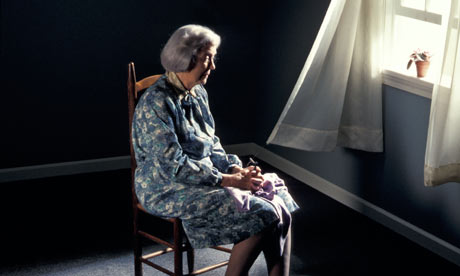


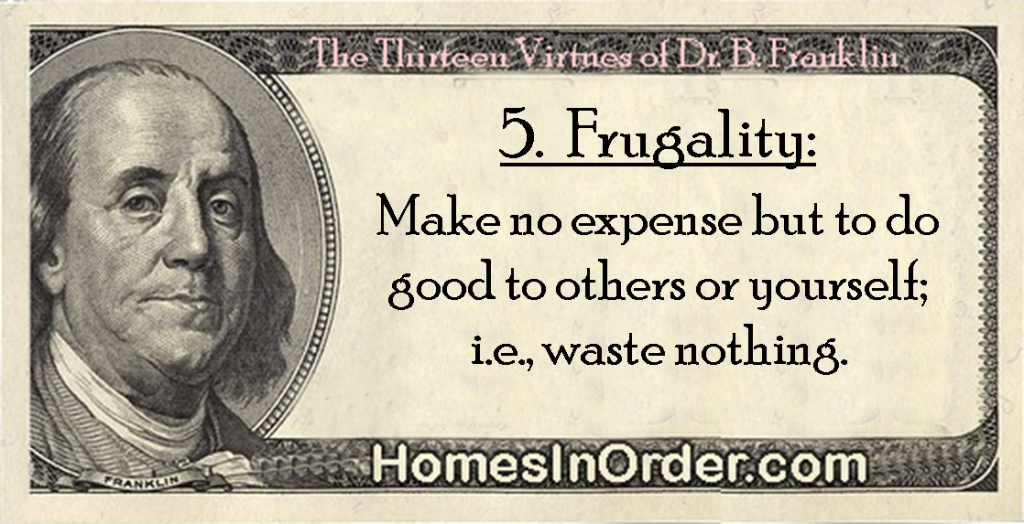 Those who say that I am not important or who ignore me are part of a new generation that values image over substance. The word “frugal” is now associated with cheap and the word “thrifty” is associated with the idea of miserliness. It seems the world of finance is dominated by short-sighted individuals who have forgotten the old values that made this country great. Hard work and prudence were values that resonated among the early pioneers like so many notes in a great symphonic piece.
 With hard work, you earned a penny. With prudence, you saved your pennies until they became dollars. In the old days, no one would ever have thrown me away or ignored me when laying in the street. Too many people have forgotten the value that I represent. From early times, there have been people who really understood my value. Even before I was an official U.S. coin, the value of a penny was recognized by some. I regard these people as paragons who really understood the meaning of money. Let me tell you a few of their stories.
 Hattie had faith in money. Money requires faith but it is a faith that rests on the good that money can do and not simply how much money one can acquire. Hattie had this kind of faith and it persisted beyond her death.