Last year at my 40th Demontreville Retreat, one of the exercises that we were given by the Retreat Master included a very challenging set of thoughts. The worksheet for the activity was labeled as “A Testament.” I took the worksheet and instructions home with me. It had fourteen tasks or reflections to complete. I did not desire to complete them during the retreat. It is now almost a year since my retreat, and I have decided to make the mental and emotional effort necessary to complete this “Testament.”
The worksheet started with these instructions:
Imagine that this is the last day of your life on earth. In the time that you have left, you want to leave a “Testament” for your family and friends. Each of the following could serve as chapter headings for your “Testament.”
5. These are ten of the greatest Insights that I have gained in the School of Life.
Friends are like flowers:
I have realized that friends are like flowers. They grow, they bloom and then some of them wither away over time. Some friends are like Perennials. They live for more than two years. They grow back each year as we renew them. They may bloom for many seasons. Over and over again. Other friendships are more like Annuals. Annuals have a much more limited life cycle. Sometimes, they are over in less than a year. They are beautiful when they last but somehow they are never destined for longevity.
Cowards die many times before their deaths:
A line from Shakespeare’s “Julius Caesar” that I have used my entire life to remind me that fear can be death. Fear can stop us from trying new things, going to new places and enjoying life. True, fear is a warning. However, fear can also be paralyzing. You have heard it said that some people are afraid of their shadows. As we get older, life closes in on us. Unless we can keep pushing back the boundaries, we will end up in a coffin long before it is our time.
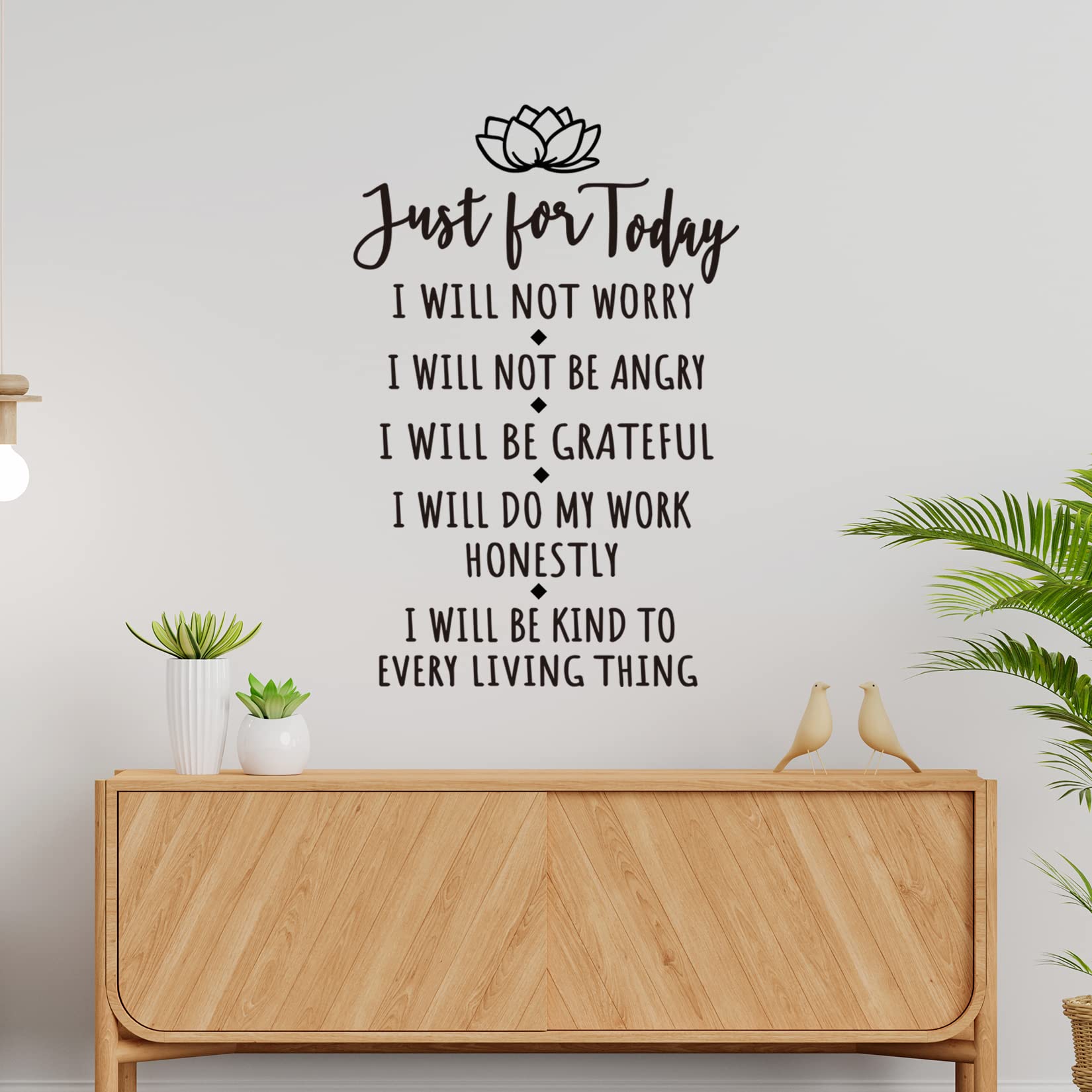
Live for today. Take one day at a time:
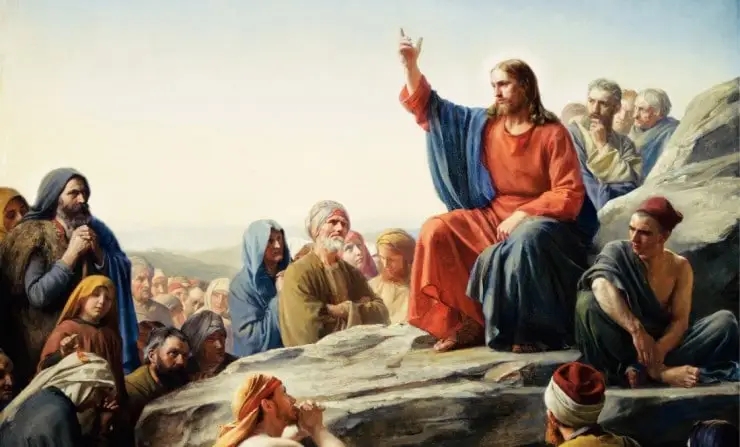
So easy to say. So hard to do. All the great prophets in history have given paeans to the virtue of living one day at a time. Jesus said “”Therefore do not worry about tomorrow, for tomorrow will worry about its own things. Sufficient for the day is its own trouble.”— Mathew, 6:34. Buddha said, “Don’t get caught in the past, because the past is gone. Do not get upset about the future, because the future is not yet here. There is only one moment for you to be alive, and that is the present moment.” — Knowing the Better Way to Live Alone. The Muslim preacher, Hasan al-Basri said, “The world is three days: Yesterday, with all that was in it, has gone. Tomorrow, you may never see it. As for today, it is yours, so work on it.” There are many more admonitions to live in the moment. Still, easier said than done.
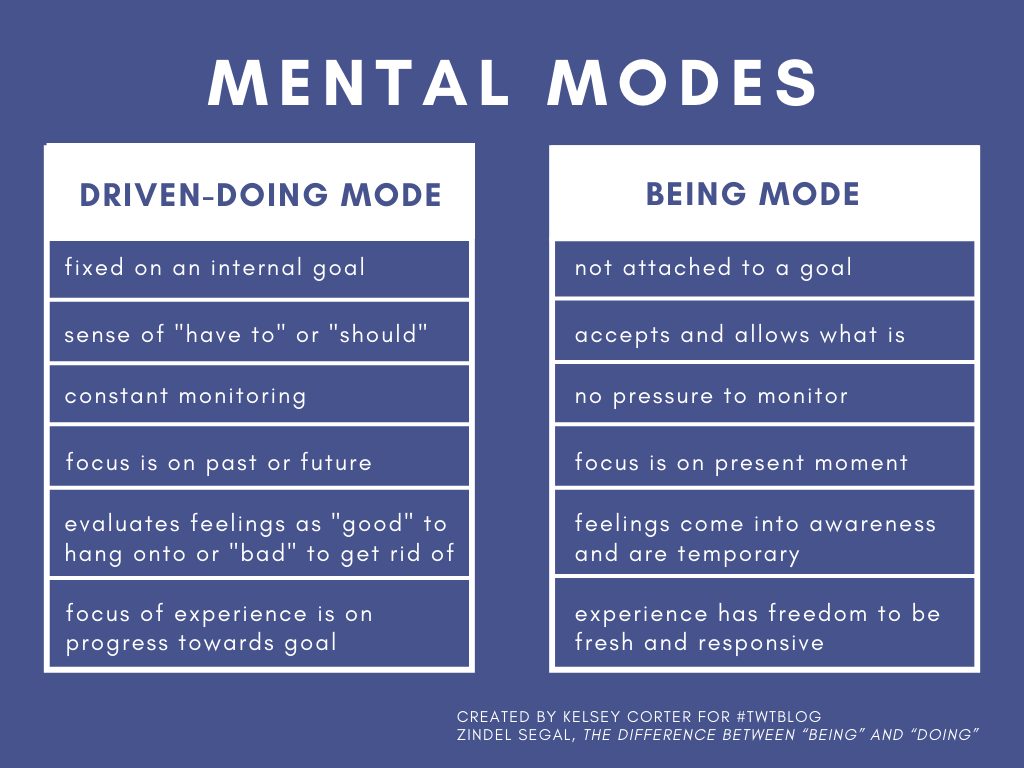
I wake up making my lists each day. I plan some of them one week, one month, and even years out. Will those days ever come? The older I get, the less likely it is that a ten-year plan will ever come to fruition. It makes sense to live in the moment. Except, what about the grasshopper and the ants? They stored up grain for the future, while the grasshopper fiddled and danced. Who starved? A good friend of mine complains that it is not fair that state parks and other such venues do not operate on a first come first served basis. Today, if you do not plan for the future, you may not get a campground. Not planning for a future can mean even more dire prospects than not getting a campsite. It might mean not having any retirement money. It might mean not having any resources for health care and other necessities. There must be a balance between living for today and planning for tomorrow. Does anyone know a sure fire way to find that balance? Here is what ChatGPT said in response to my query:
Balancing living for today and planning for tomorrow can be a delicate act, but it is achievable with mindful practices and habits. Here are some strategies that can help:
Set Clear Goals: Define your long-term goals and break them down into smaller, manageable steps. This helps you focus on the present while keeping an eye on the future.
Prioritize Your Time: Make a list of your daily activities and prioritize them based on importance and urgency. This ensures you are spending time on what matters most, both for today and for your future.
Practice Mindfulness: Mindfulness techniques, such as meditation and deep breathing, can help you stay present and enjoy the moment without constantly worrying about the future.
Create a Balanced Schedule: Allocate specific times for work, relaxation, hobbies, and social activities. This ensures that you are enjoying life now while also dedicating time to your future goals.
Financial Planning: Save and invest wisely to secure your future, but also set aside some money for leisure and experiences that bring you joy today.
Stay Flexible: Life is unpredictable, and plans may change. Being adaptable allows you to enjoy the present while being prepared for future changes.
Reflect Regularly: Take time to reflect on your progress and adjust your plans as needed. Regular reflection helps you stay aligned with your goals and make necessary changes.
Seek Balance in Health: Take care of your physical and mental health through regular exercise, a balanced diet, and sufficient rest. Good health enables you to enjoy the present and ensures longevity.
Enjoy Small Moments: Find joy in everyday moments and appreciate the present. Whether it’s a walk in the park, a good meal, or time with loved ones, these moments are valuable.
Continuous Learning: Invest in your personal and professional growth by learning new skills and acquiring knowledge. This not only prepares you for the future but also enriches your present life.
By integrating these practices, you can create a harmonious balance between living in the moment and planning for the future.
It took ChatGPT all of about one minute to come up with the above list. Pretty amazing isn’t it. I only wish I were as smart as she/he is.
Kindness is more important than knowledge:
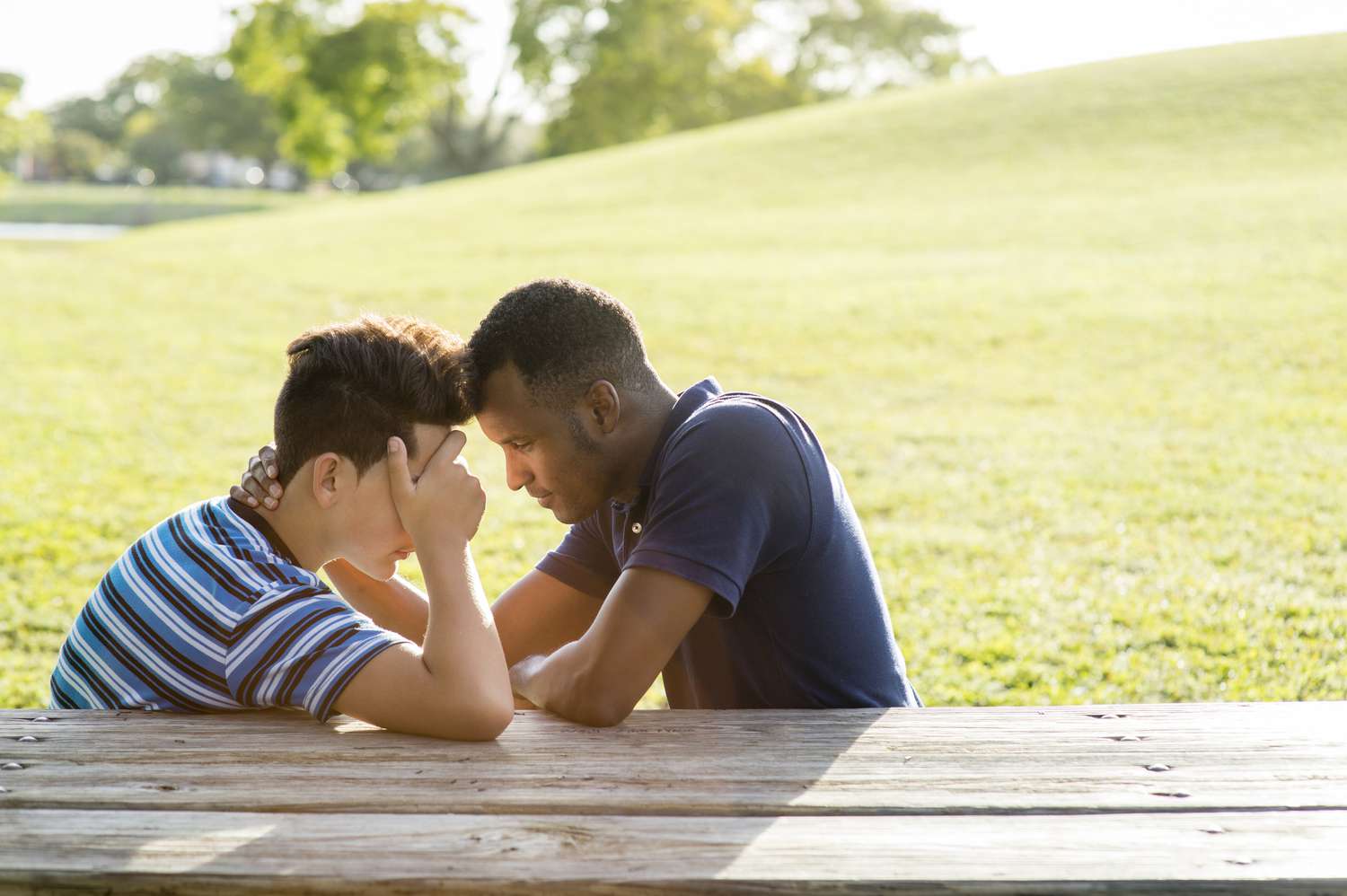
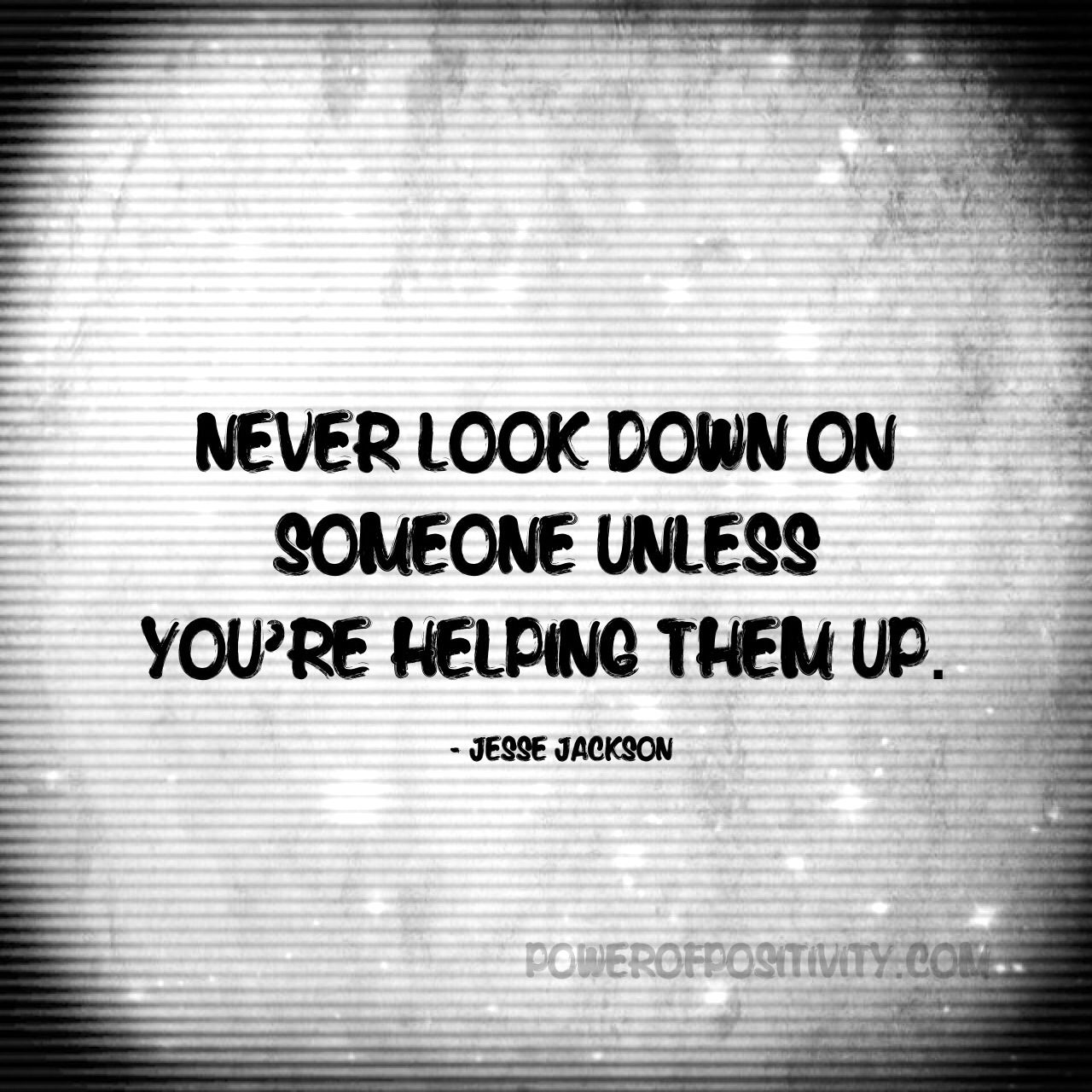
This is a lesson that has taken me many years to learn. “Chicken Soup for the Soul” was a pivotal event in my life. The stories started me thinking more about kindness and less about acquiring a great deal of knowledge. I once thought that knowledge was everything. Knowledge was the path to virtue according to the Bible. Knowledge was power according to Sir Thomas Hobbes. Knowledge comes from a different place than kindness. Knowledge is necessary to make a living, but kindness is necessary to make a life. A human being must be more than just a collection of ideas and theories. We must be able to show compassion and empathy for other human beings and other creatures. Kindness will make more of a difference to the world than the Encyclopedia Britannica ever did.
We do not age like a fine wine, we age like bananas:
Whoever came up with the trope about aging and fine wine must never have grown old. The older I get, the more wizened I get. My wine is getting moldy. My face is getting wrinkled. Like an aging banana, I now am getting more and more black spots on my skin. Nobody throws a fine old wine away, but in a few years, just like a rotten old banana, my carcass will be disposed of. I am softer and mushy now. I once was firm and hard. Who likes a mushy old banana?
Don’t rely on Hope:
Hope may spring eternal in the human breast but hope never accomplished anything. It takes effort to make a life. It takes effort to go to work every day. It takes effort to do anything worth being done. You can hope your life away. Hope is a seasoning for life. You can season the meat, but you must then cook it. Hope can help you to have faith that you can change the world, but hope is not enough to get the job done. Patrick Henry spoke about “hugging the delusive phantom of hope.”
You can hope to win the lottery but unless you buy a lottery ticket, you have no chance of winning the jackpot. Hope can be a motivator, but running the 100-meter dash of life takes moving your legs to get to the finish line. Keep hope in perspective but don’t let hope become your whole life.
Life is about trying to make a difference:
We wake up each morning and what do we do? We say a prayer maybe. Maybe we have breakfast. We take a shower. We write a few lines. We go to work. What is the purpose of our life? If it is not to make a difference in the world, I don’t know what it is for. Is it simply to live another day? Is it just to have fun? “God Forbid” to quote Patrick Henry again. If the meaning of our lives is not to make a difference in the world, I don’t know what we exist for.
Sadly, we may never know if we make a difference. We are not born with a difference gauge that tells us which of our efforts is the most effective. Faith can make a difference here. Mother Teresa was once challenged by a reporter who asked her, “How do you know you are making any difference with all your poverty and charity work?” Mother Teresa replied, “I am not called upon to make a difference, I am called upon to have faith.” Faith guides us down the path of hope but we must be propelled by a desire to see a better world if not for ourselves than for our children.
Progress is made by people, ideas, and technology:
There are many theories of human progress. Karl Marx believed that materialism was the prime motivator and engine for change. “The essential condition for the existence, and for the sway of the bourgeois class, is the formation and augmentation of capital; the condition for capital is wage-labor.” — The Communist Manifesto, Karl Marx. Despite the fact that Marx has been refuted more times than I can count, his problem came not from his perspective, it came from his limitations of perspective. He was not able to see the difference that ideas, people, and technology could and do make on the world.
The argument as to which drives progress is really a chicken and egg dilemma. Or maybe it is more like a giant Mobius strip. Great men come up with great ideas which create great technology which creates new material goods which lead to new leaders who have new ideas for more progress. Around and around we go, but we always remain in one plane. A Möbius strip is a one-sided surface with no boundaries that looks like an infinite loop. Progress comes from going around and around and around. All the elements of the universe help motivate us around this single plane.
Whatever can be done, can also be undone:
The pundits are telling us that if Trump gets reelected he will abandon and even destroy all the foundations for democracy that still exist in the USA. His first attempt at doing so fell short but together with his minions, he will take another shot at it. Americans are deluded into thinking that democracy is indestructible.
Democracy is a set of ideas which when put into action creates a system of government. Sometimes this system works very well but often it is dysfunctional. Democracy has no guarantee of success if people no longer believe in the set of ideas that defined their democracy. There are only twenty or so true democracies in the world today out of over 180 different governments. “The Economist Democracy Index rates countries on the state of their governing system each year. In the latest published edition, corresponding to the year 2022, only 24 countries in the world have been rated as ‘full democracies’, representing 8% of the world’s population.” — The State of Democracy, April 2023
It is by no means inevitable that democracies will be created in the world or that they will be sustained. History has shown us over and over again that great empires fall, and democracies may not survive. Human beings seem to have an equal propensity to favor authoritarian governments as they do democratic governments. Recent events in the USA cannot be denied. America is full of people who do not believe in democracy and who would favor a tyrant and bully like Trump being elected for life.
Love surpasses everything:
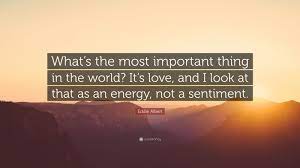
If making a difference is the ultimate purpose of life than love is the ultimate meaning of life. We often love not too well and not too wisely, but love is the soul of our existence. Deprive humans of love and you deprive humans of the only thing that really matters in this world. A lonely life is one that saddens all of us. How many people live such lives? What can we do to help others who are not loved or who cannot share love with others? If we can stop manufacturing bombs and bullets to murder others, we might be able to work towards creating a world based on love. We may have faith and we may have hope, but unless we mix the ingredients for love and share them with others, love will remain only a dream.
Next Reflection:
6. These are the Risks I took.




 Last year at my 40
 Am I a very happy person? Most of my friends would probably say no. My sufferings though are mostly self-inflicted. My thoughts on the life that I should have lived haunt me. Try as I might I can’t let go of the things I fucked up in this world. I can’t even forget the teacher in the third grade who told me to, “Shut my mouth and stop singing.” Seventy years later and it feels like if I try to sing, something awful will happen to me. I would rather jump off of a cliff than sing a note.
 One day, I had to go out to do a repo on a guy who bought a TV set and was not making his payments. I went to the poor section of town and walked up to the address I had been given. It looked like maybe a three-room small bungalow. The yard was gated, and I looked for a dog. Not seeing any, I opened the gate and walked up to the front door. There was a screen door. The main door was open, and I could see into the house. I knocked loudly on the door as there was no doorbell. I could see a living room and a kitchen. Out of the kitchen, a large man started coming to the door. As he drew closer, I could see he had no legs. He was missing both legs and was walking with two crutches. He asked me what I wanted. I hesitated and then answered “Sorry, I must have the wrong house.” I went back to my office and quit the same day. I figured he needed the TV more than my company needed the money. I could not do a job that required me to take from poor people what little they had in life.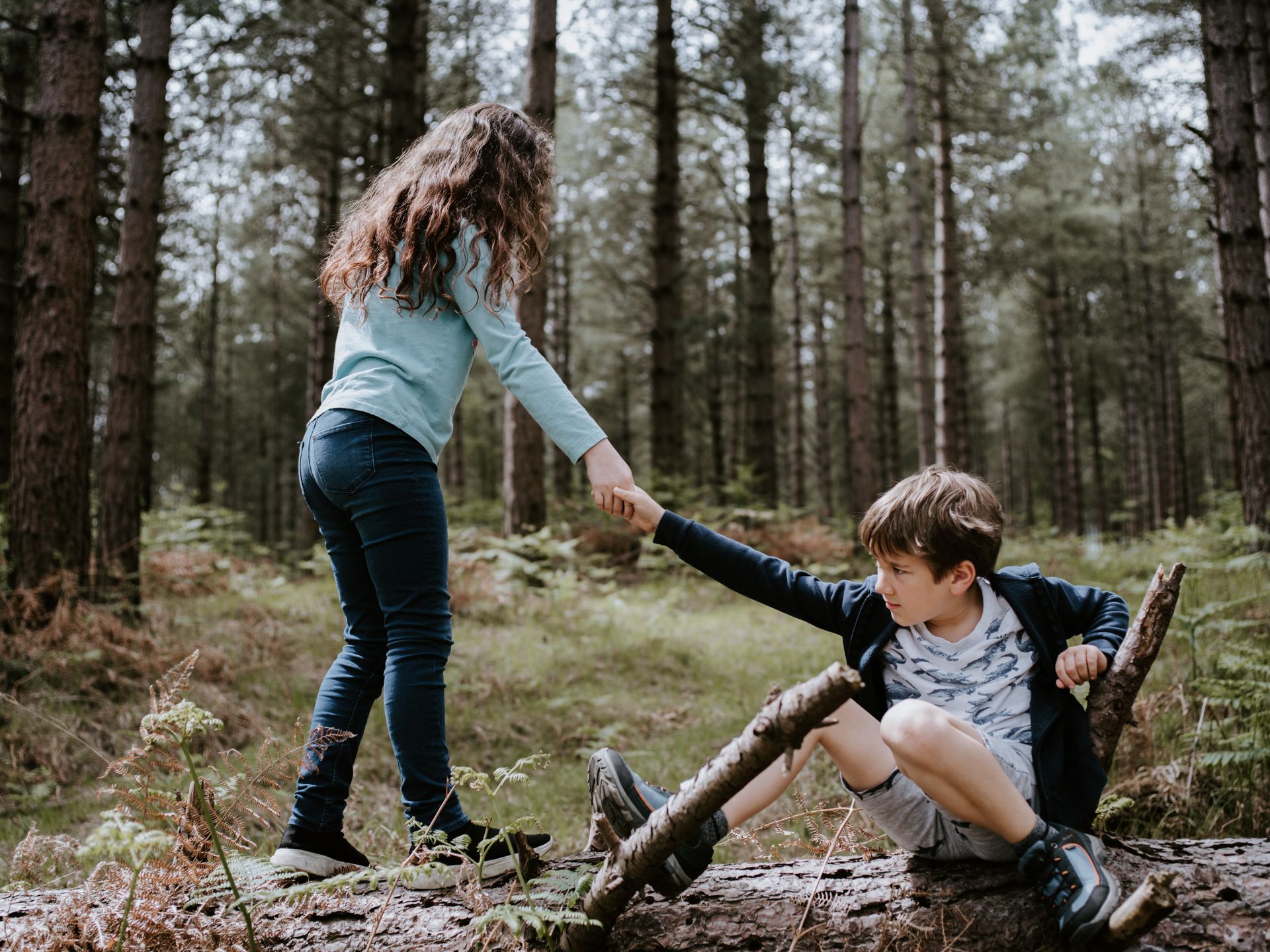


 Over time, I have noticed that the most popular post I have on my blog site is my Home page “Who is Dr. John Persico Jr.?” I realize that most readers want to know my credentials to see if anything I am going to say has any credibility. Am I someone you can trust? Can you depend upon my words or my facts? Am I just another wannabe Guru so full of my own opinions that I have no room for other points of view?
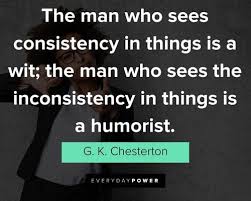
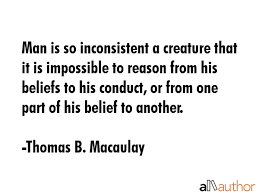 Those who march to the proverbial beat of a different drummer live with risk, but they also are not bored. We only experience life when we are open to the unknown and the unpredictable. Walk through a cemetery at midnight. Take a train or bus to someplace you have never been before. Read a book in a new genre. Watch a movie that is offbeat. Try some foods that you think you might not like. Meet some new people. Embrace the strange and esoteric. Life is not a cherry; it is a seething caldron of uncertainty and innumerable possibilities. You will never truly live if you simply stand at the edge of the caldron and wait for it to stop bubbling.